European Union leaders agreed on Friday to send Germany, France, Britain, Italy, Poland and EU institutions to represent Europe in negotiations to end Russia's war in Ukraine.
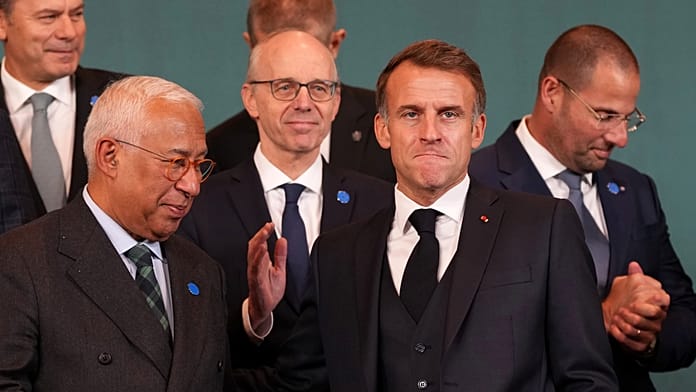
The decision was announced by European Council President António Costa at a press conference after an informal summit in Dublin. The team comprises the European Commission, the Council of the European Union and five countries known as the E5. Germany, France and Britain are among them. Italy and Poland complete the group.
Costa said Europe must speak with one clear and united voice in all discussions shaping Ukraine's future and continental security. "Our European team will continue to act in close coordination and in full unity," he said. Commission President Ursula von der Leyen said the EU institutions would be the Commission and the Council. "We will support Ukraine and protect our interests," she said.
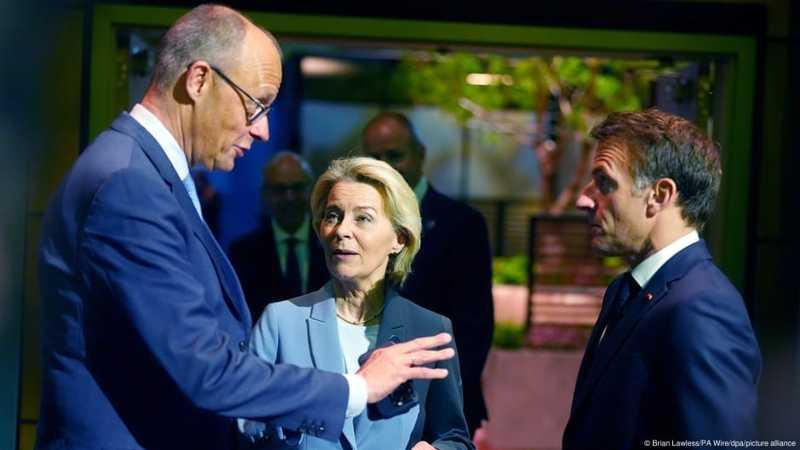
The agreement settled a long debate over who should represent Europe. Several smaller EU states had favored senior EU officials, with Estonian Prime Minister Kristen Michal proposing that Costa and EU foreign policy chief Kaja Kallas lead talks. German Chancellor Friedrich Merz insisted that countries bearing the main burden of supporting Ukraine should negotiate. "Germany is set," Merz said in Dublin.
US envoys Steve Witkoff and Jared Kushner said on Thursday that Russian President Vladimir Putin was willing to include Europeans in the next round of talks. Kremlin spokesman Dmitry Peskov said the Europeans should name a single representative, complaining they "squabble like spiders in a jar." Ukrainian President Volodymyr Zelenskyy had urged European leaders to appoint representatives for the renewed US-led process.
Merz said concrete peace talks were expected in the coming weeks. He invited the "Coalition of the Willing" to Berlin next week, expecting more than 20 heads of state and government to discuss Ukraine's financing and the peace process. Costa said the next European Council meeting on November 26-27 would address Ukraine's financing needs for next year.
EU foreign policy chief Kaja Kallas, who had sought a seat, said Russia did not want "anybody strong" at the table. "Do we have a say who is representing Russia?" she asked. Costa made clear that the decision on representation belonged to the 27 sovereign states and EU institutions, not Moscow.
European representatives from Germany, France and Britain attended talks in Abu Dhabi this week but did not sit at the main negotiating table. US envoy Jared Kushner said after meeting Zelenskyy in Dublin that Europe would be part of the next round and "they will have a voice."