US negotiators have proposed that Ukraine withdraw from the Donbas region in exchange for NATO membership, President Volodymyr Zelenskyy said on Saturday, even as Ukrainian drones struck Russian oil infrastructure.
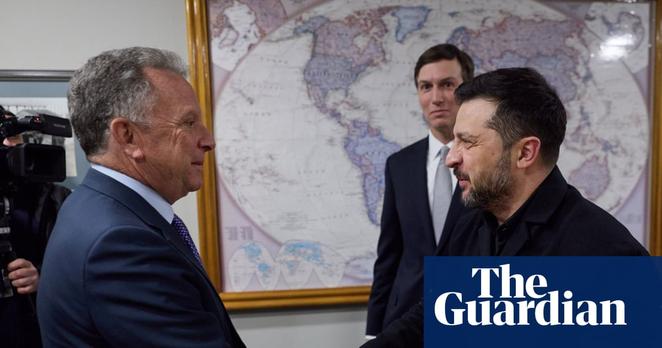
The suggestion, raised for the first time during peace talks in Abu Dhabi this week, asks whether Kyiv would cede the parts of the eastern Donbas region it still controls if Ukraine joined the alliance. "The Americans raised a question: 'What if Ukraine joins Nato? Would Ukraine withdraw from Donbas?'" Zelenskyy said in remarks released by his office. "That is why I believe Nato is back on the agenda."
Zelenskyy insisted Ukraine would not surrender its territory, but said he would put the question to a national referendum if the United States and partners confirmed the proposal and offered a comprehensive security package including firm guarantees, a strong and well-funded military, and reconstruction funds.
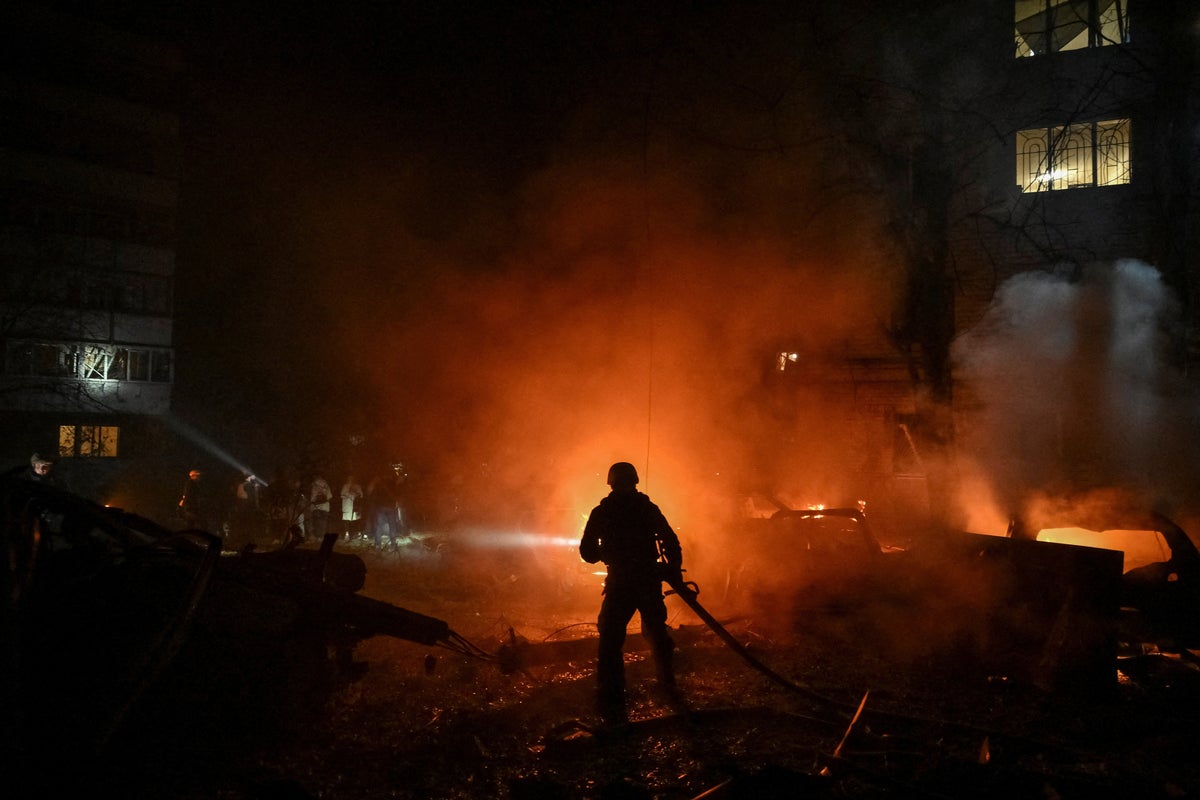
Meanwhile, Ukrainian strikes on Friday set several oil storage tanks on fire at the Samara oil pipeline station near the village of Prosvet in Russia's Samara region, Ukraine's General Staff said. The facility is a key part of the network exporting Russian oil to global markets and one of the most important nodes in Russian oil transport, which has been attacked repeatedly in recent weeks. Ukrainian drones also struck an oil refinery in Russia's Nizhnekamsk overnight.
The proposal emerged during trilateral talks in Abu Dhabi involving the United States, Russia and Ukraine, where Moscow rejected a proposed ceasefire on energy strikes. Zelenskyy said the Russian delegation told Kyiv it had no mandate to decide on a truce, adding that "Putin personally does not support a ceasefire."
Zelenskyy warned that linking NATO membership to territorial concessions was dangerous and could allow Russia to weaken the alliance and reshape borders. "This is dangerous because, in my view, it is precisely things like this that lead to wars or escalations," he said. He also rejected the possibility of Ukraine committing to neutrality, which would require a constitutional change, and warned that the Kremlin's bid to change the continent's security architecture could lead to more wars.