The Federal Reserve and the European Central Bank will keep interest rates unchanged this week as policymakers opt for caution amid economic and political uncertainty.
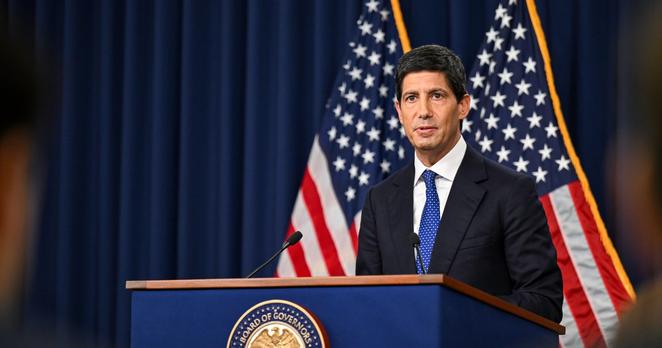
The Fed’s rate-setting committee is widely expected to hold its benchmark rate steady at its meeting in Washington on Wednesday, despite inflation remaining above its 2% target. Federal Reserve Chair Kevin Warsh acknowledged last month that “inflation is too high and has been for too long,” but officials have signaled a preference for patience. Michelle Bowman, the Fed’s vice chair for supervision, said on October 14 that the central bank “has some time to wait and see how financial conditions evolve before we take more action.” The Fed last raised rates in September by a quarter of a percentage point, but analysts at Deutsche Bank argued that “the case for skipping October is not terribly compelling” given rising prices.
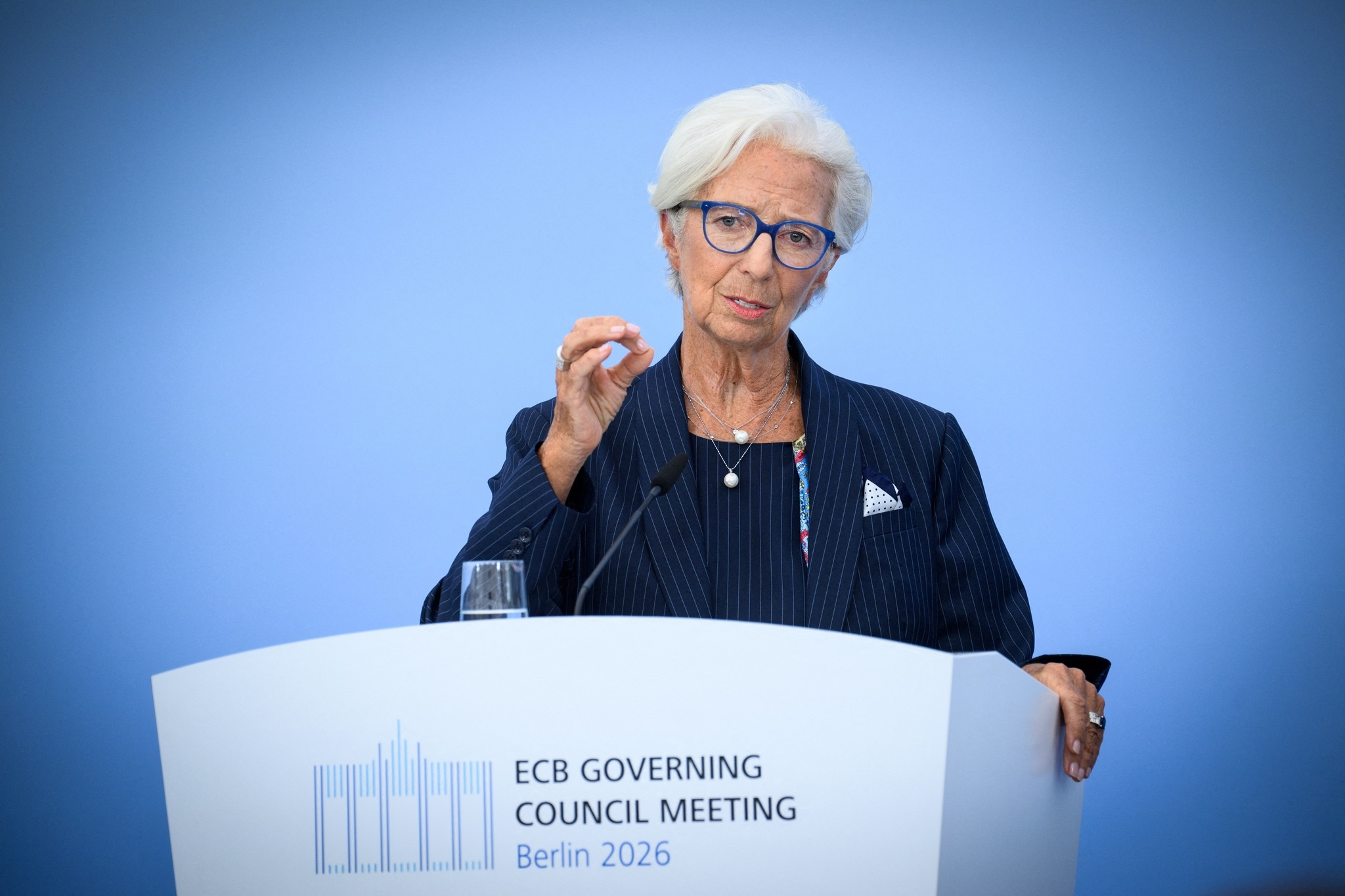
Across the Atlantic, the ECB is also set to maintain its deposit rate at 2.5% at its meeting in Frankfurt on Thursday. Investors had previously seen even odds of a hike this month, but France’s worsening fiscal outlook has shifted expectations. French 10-year bond yields reached their highest level since 2002 last week, with the premium over German bonds hitting a 15-year peak as political instability and deficit concerns weigh on markets. ECB officials, including Slovenia’s Primoz Dolenc and Finland’s Olli Rehn, have noted that tighter financial conditions from rising bond yields are already doing some of the work of rate hikes, reducing the need for immediate action.
Both central banks are balancing inflation pressures with broader economic risks. Eurozone inflation hit 3.8% in September, the highest in three years, but core inflation excluding energy has shown little movement, suggesting limited secondary effects from energy price shocks. In the U.S., September’s annual inflation rate rose to 3.7% from 3.4% the previous month, with voters citing rising costs as a top concern ahead of next week’s midterm elections. The Fed’s tradition of avoiding politically sensitive moves just before elections further supports the case for holding rates steady.