A proposed Chinese car plant in northern Spain has divided local opinion, with residents and businesses split over whether it will bring jobs or long-term risks. The debate reflects broader tensions in Europe as Chinese automakers expand into the EU market.
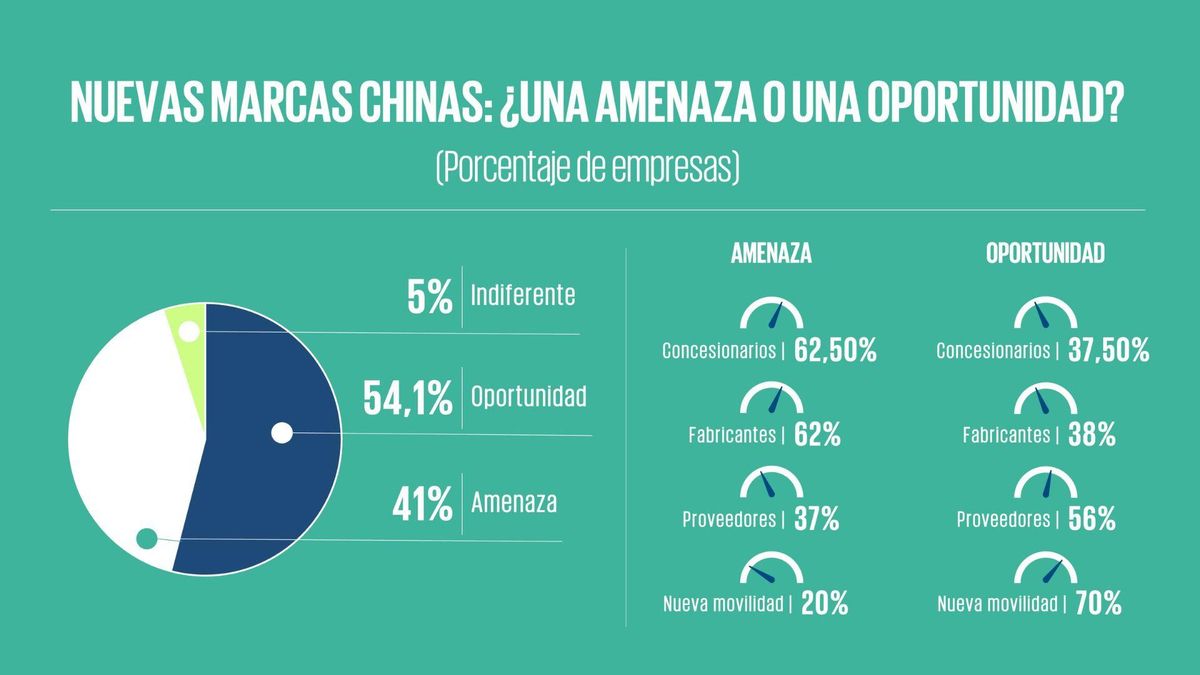
In Spain, a New York Times report highlighted the proposed SAIC plant in Ferrol, where supporters argue it could revitalize the region’s economy, while critics warn of strategic dependencies on China . A survey by the Barómetro Movilidad+Auto 2026 found 54.1% of Spanish automotive companies see Chinese manufacturers’ entry into the EU as an opportunity, compared to 41% who view it as a threat.
The divide is sharpest among different segments of the industry. Among firms linked to new mobility and services, 70% see Chinese competition as an opportunity, while only 20% consider it a threat. Component suppliers are similarly optimistic, with 56.3% viewing it positively. However, car manufacturers and dealerships are more cautious: 62.5% of concessionaires and sales points see Chinese brands as a threat, with the same ratio among vehicle producers.
In Romania, BYD’s deputy CEO, Stella Li, is scheduled to visit Bucharest on October 30 for what the company called “an important meeting.” BYD is actively seeking locations for a new European factory to avoid import tariffs, with Romania among the potential sites .
The survey also revealed differences by company size. Among small firms, 56.5% see Chinese expansion as an opportunity, while 39.1% see it as a threat. For medium-sized companies, the split is 52.9% to 41.2%, and for large firms, 52.4% to 42.9%.