Loading…
 Saturday, September 26Saturday, September 26
4 months · 2 summary articles
Pope Francis XIV condemns Europes migration policies as Spain grapples with historical memory disputes
Pope Leo XIV warns Spains Congress against political extremism in historic address
Pope Leo XIV made history on Monday by becoming the first pontiff to address Spain’s Congress of Deputies, delivering a landmark speech in Madrid that underscored his moral authority amid deepening political polarization. The unprecedented address, part of a six-day apostolic visit to Spain, comes as Prime Minister Pedro Sánchez prepares to meet the pope later in the day—a convergence of spiritual and political power that has intensified scrutiny of both leaders’ stances on global issues.
The pope’s morning address to lawmakers focused on reconciliation, social justice, and the dangers of political extremism, a message that resonated in a country where far-right parties have gained traction by stoking anti-immigrant sentiment. In a thinly veiled critique of rising populism, Leo XIV warned against those who “kneel before God only to trample on their brothers,” a remark widely interpreted as a rebuke to Spain’s ultra-conservative factions . The address followed a weekend of massive public events, including a Mass at Madrid’s Cibeles Square attended by half a million people, where the Vatican deployed a security operation involving 20,000 police and military personnel alongside 100,000 volunteers .
Sánchez, who has positioned himself as a vocal critic of U.S. President Donald Trump, is expected to discuss migration and climate change with the pope—a meeting that highlights the Spanish leader’s growing international profile. Their shared opposition to Trump has drawn comparisons, though analysts note their motivations diverge: Sánchez’s stance is rooted in progressive policy, while Leo XIV’s is theological . The pope’s visit also serves as a symbolic counterpoint to Spain’s secular drift, with nearly half the population now non-religious, yet drawing record crowds to his events.
Beyond Madrid, Leo XIV’s itinerary includes Barcelona, Gran Canaria, and Tenerife, where he will address migration and economic inequality. In Barcelona, the pope is set to visit the Sagrada Família, whose intricate symbolism—Gaudí’s hidden biblical messages—has been revisited amid the visit’s cultural significance . The trip has also sparked logistical upheaval, with Madrid’s traffic paralyzed by road closures and a ban on parking near key venues like the Almudena Cathedral and Santiago Bernabéu Stadium .
As the visit unfolds, the pope’s use of social media influencers—30 high-profile creators were given exclusive access to amplify his message—reflects a modern Vatican strategy to engage younger, secular audiences . Yet the trip’s enduring impact may lie in its political symbolism: a papal call for unity in an era of division, delivered at a moment when Spain’s own divisions are on full display.
Follow us for live European news
1 further source not geolocated

LIVE: Pope Leo continues visit to Spain Pope Leos third day in Spain, he is expected to meet Spains Prime Minister Pedro Sanchez and members of the Spanish Parliament. www.youtube.com/watch?v=kSPA...
bluesky bot · 4 months ago
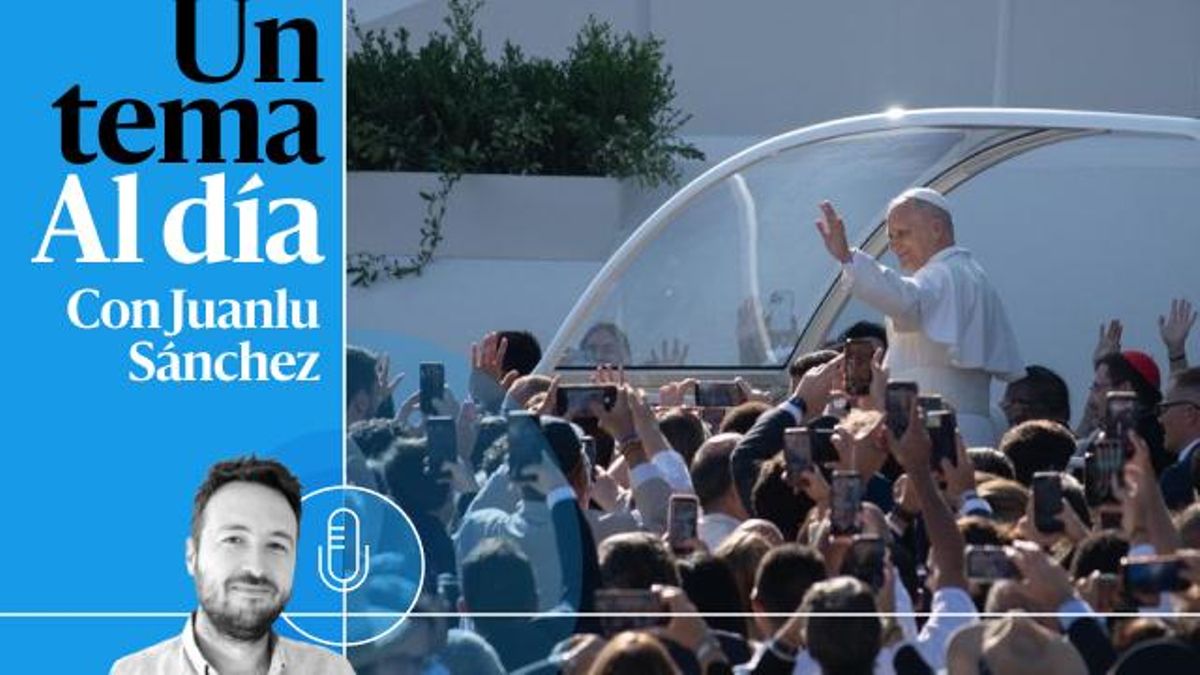
🎙 PODCAST | ¿Para qué sirve la visita del Papa? Hablamos mucho de lo espiritual, de lo importante que es como gran evento de masas, pero... ¿Quién lo paga? ¿Qué papel tienen las grandes empresas? ¿Qué hace el Papa cuando no aparece en público? ¿Qué mensaje nos queda? ¿Para qué sirve, y a quién, una visita como esta?El Papa lanza otro recado a los ultras y denuncia a los que se arrodillan ante Dios y desprecian a los hermanos El papa León 14 ya está en España. Va a estar aquí hasta el viernes en un viaje que le llevará a Madrid, Barcelona, Gran Canaria y Tenerife. Va a celebrar un total de 21 actos, muchos de ellos multitudinarios. Y además, por primera vez en España, un papa hablará en el Congreso de los Diputados. Para esta visita, como siempre que viene un papa, se ha preparado un dispositivo de seguridad descomunal, 20.000 efectivos entre policías, guardias civiles y otros miembros de las Fuerzas y Cuerpos de seguridad del Estado, además de unos 100.000 voluntarios y la asistencia de entre medio millón y un millón de personas a los grandes eventos programados. Para las personas católicas la llegada del papa es un acontecimiento histórico. Es una oportunidad única de estar cerca y escuchar en vivo a su líder espiritual. Pero en un país que cada vez es menos creyente, donde casi la mitad de la población no es católica, ¿cuál es el sentido político, diplomático, social… de un viaje como este? ¿Para qué sirve la visita de un papa? Hablamos de todo ello con Jesús Bastante, redactor jefe de Religión Digital, medio asociado a elDiario.es para temas de la Iglesia. *** Envíanos una nota de voz por Whatsapp contándonos alguna historia que conozcas o algún sonido que tengas cerca y que te llame la atención. Lo importante es que sea algo que tenga que ver contigo. Guárdanos en la agenda como Un tema Al día. El número es el 699 518 743 *** Un tema Al día es el podcast diario de actualidad de elDiario.es que, en episodios de unos 15 minutos, explica cada día un asunto de actualidad. Está presentado y dirigido por Juanlu Sánchez, subdirector de elDiario.es. Premio Ondas al podcast Revelación, Un tema Al día es el daily líder en Spotify, Apple Podcast, iVoox, Amazon Music o Podimo, según los datos públicos de las plataformas, donde acumula más de 190.000 suscriptores. Ha sido reconocido como podcast revelación por Amazon y recomendado como imprescindible por Apple. ¿Cómo escuchar Un tema Al día? ▶ Si eres socio/a, puedes escuchar los nuevos capítulos del podcast cada noche en elDiario.es con unas horas de antelación respecto al resto de lectores. Recibirás el enlace en tu correo electrónico en el boletín del Adelanto de noticias. ▶ Si no eres socio/a, el episodio está disponible a primera hora de la mañana en cualquier aplicación que uses habitualmente. Spotify Apple Podcast Ivoox Podimo Amazon Music Feed RSS ▶ Acuérdate de suscribirte al podcast Un tema al día en tu app para que te lleguen automáticamente los nuevos capítulos. Es gratis. ▶ Tendrás disponibles también todas las entregas de Un tema Al día en elDiario.es/aldia
eldiario.es · 4 months ago
:format(jpg)/f.elconfidencial.com%2Foriginal%2F4ff%2F33c%2Fad2%2F4ff33cad29ba5b00890fbe35e19c31bc.jpg)
Cortes de tráfico en Madrid hoy, 8 de junio, por los actos de León XIV en la Almudena y el Bernabéu: horarios, calles y zonas afectadas La histórica visita del Papa modifica el tránsito de Madrid este lunes con fuertes restricciones de tráfico, calles cortadas y prohibición de aparcar debido a los actos oficiales como la ofrenda floral y el encuentro diocesano
el confidencial · 4 months ago

La agenda del Papa León XIV en Barcelona
la vanguardia · 4 months ago

La simbología de la Sagrada Familia: los mensajes ocultos que Gaudí dejó en su obra más importante La visita del papa León XIV vuelve a poner el foco sobre una basílica concebida como una gran Biblia de piedra, donde cada elemento encierra un significado
la vanguardia · 4 months ago

A început Postul Sfinților Apostoli Petru și Pavel 2026: Alimente interzise și reguli pe care credincioșii trebuie să le respecte Începând de luni, 8 iunie, ortodocșii intră în Postul Sfinților Apostoli Petru și Pavel, una dintre cele mai importante perioade de pregătire spirituală din timpul verii. Acest interval de reculegere precede sărbătoarea dedicată celor doi mari apostoli ai creștinătății.
digi24 · 4 months ago
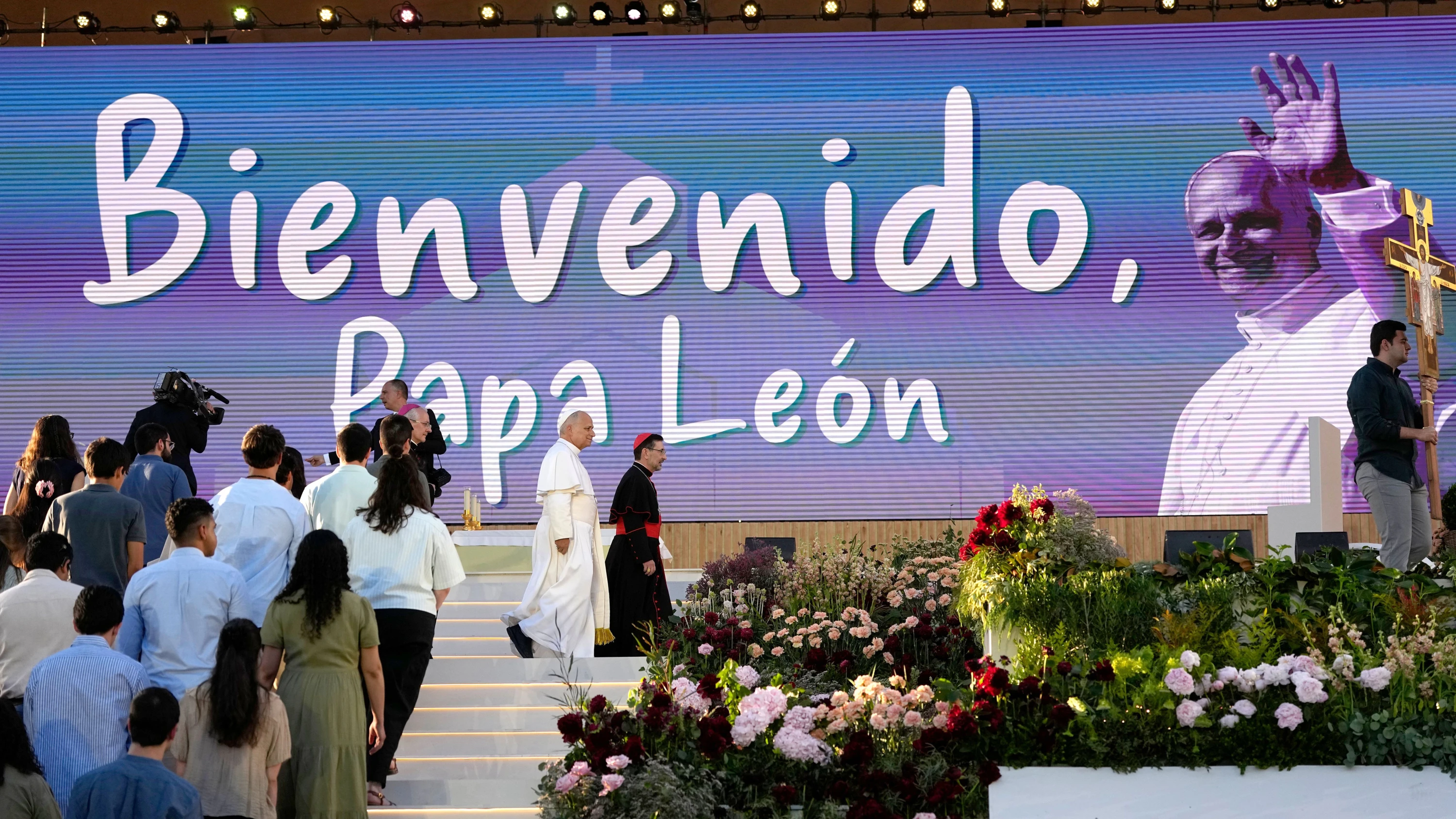
Papst Leo in Spanien: Gegen das Feuer der Polarisierung In Madrid attackiert Papst Leo Rechtspopulisten, die gegen Migranten agitieren und sie benachteiligen wollen. Da geht es nicht nur um Spanien.
faz · 4 months ago
How Donald Trump helped make Spains prime minister a rockstar Pedro Sánchez may be embattled at home, but his opposition to the war in Iran has boosted his clout on the rest of the continent.
politico.eu · 4 months ago

One Is the Pope, the Other an Atheist. They Both Oppose Trump. Pope Leo XIV and Prime Minister Pedro Sánchez of Spain, who meet on Monday, have recently clashed with President Trump. Their motivations, however, may be different.
new york times · 4 months ago
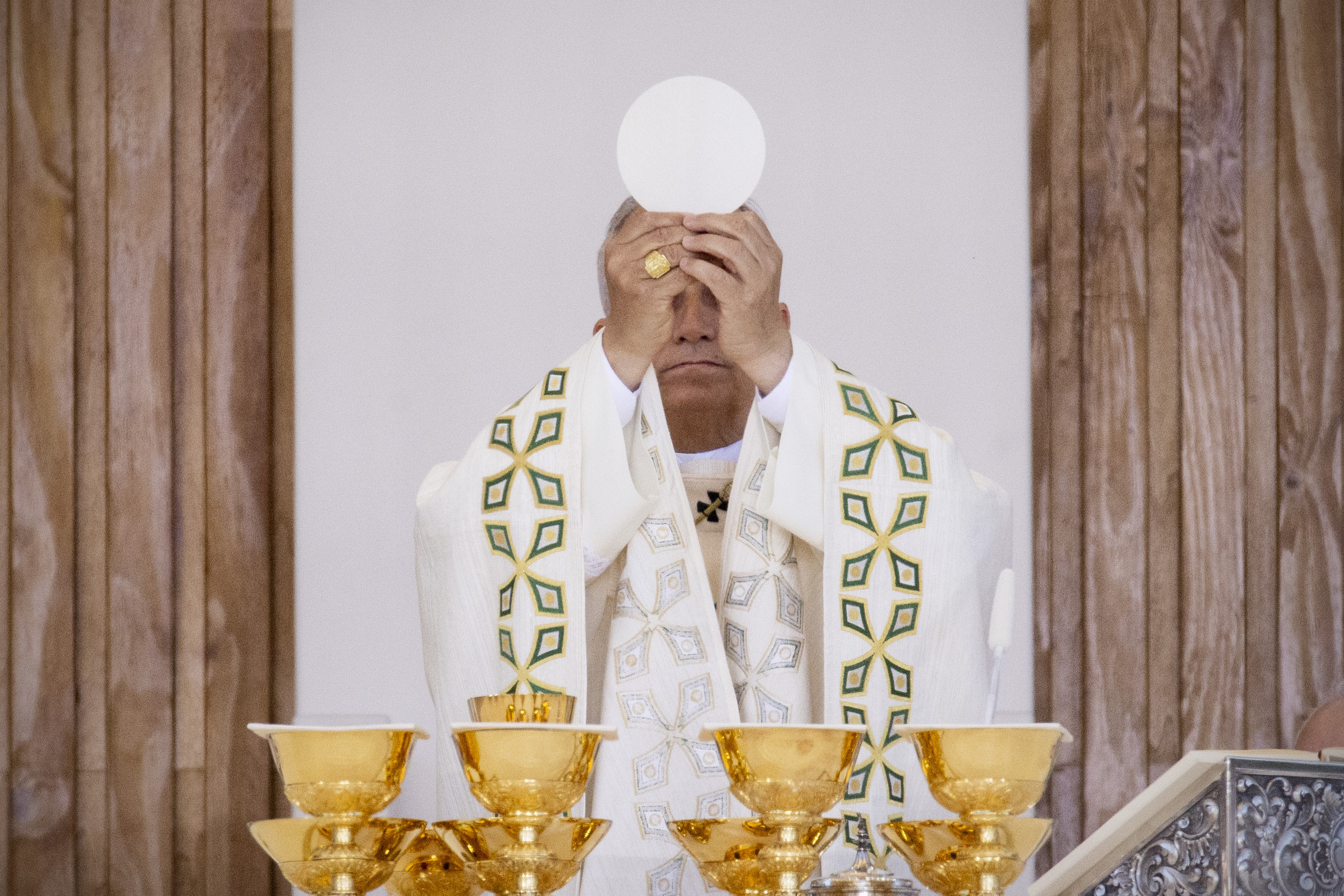
Un privilegio que no debe ser secreto "Nadie puede, dijo el Papa frente a la Cibeles, arrodillarse ante Dios y despreciar al hermano" Leer
elmundo · 4 months ago
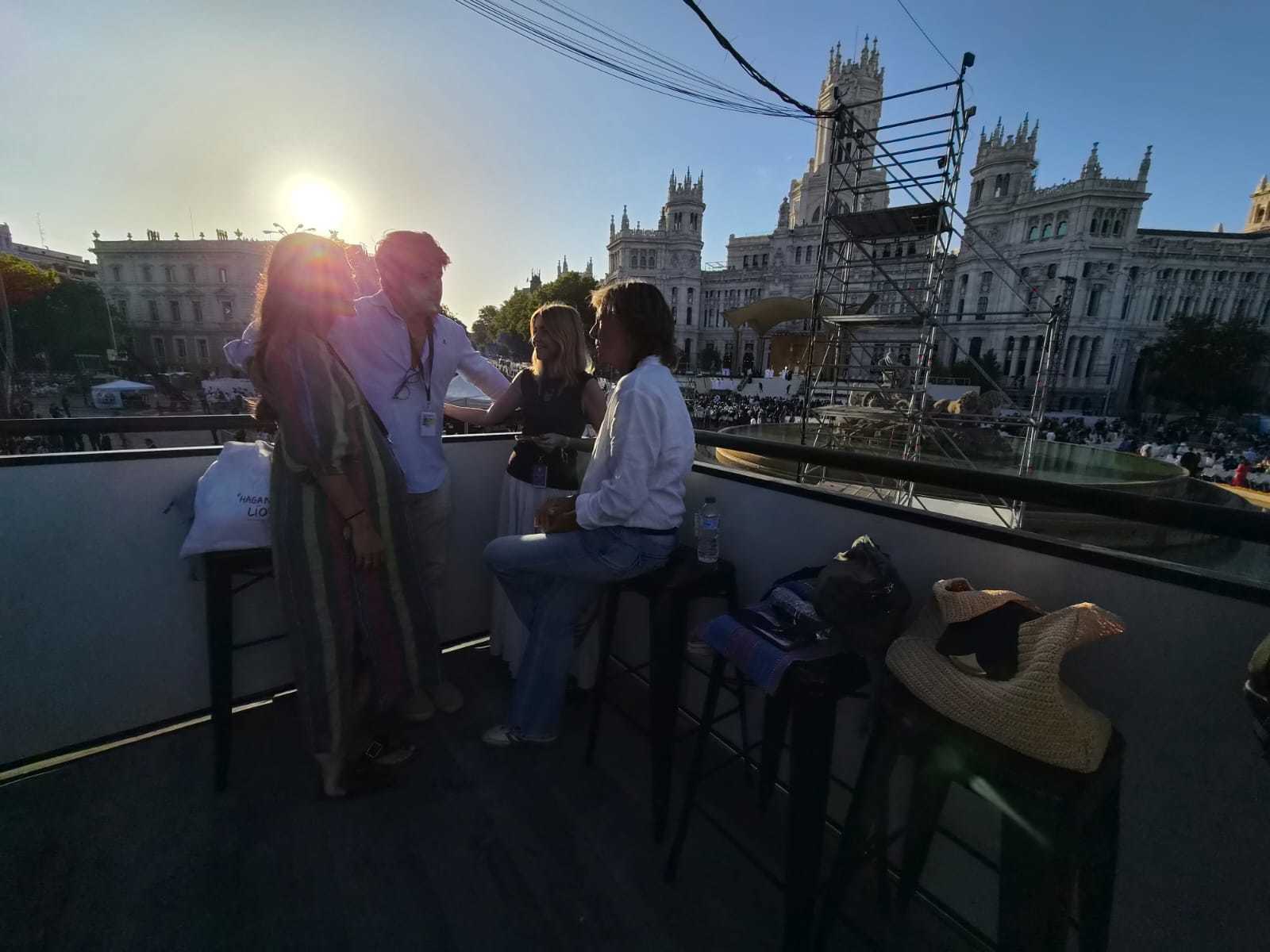
La casita de los influencers (alguno con 11 millones de seguidores) de León XIV y el secreto del six seven: "Queremos que nos ayuden a amplificar el mensaje del Papa" Cerca de 30 rostros VIP de las redes sociales fueron invitados por la organización a la gran misa de Cibeles, con un habitáculo exclusivo Leer
elmundo · 4 months ago
How Donald Trump helped make Spains prime minister a rockstar MADRID — When Europes leaders hold their periodic gatherings in Brussels, Pedro Sánchez isnt often at the center of media attention. As a rule, when Spains 54-year-old prime minister strides down the red carpet below the giant glass oval structure in which the EUs heads of government meet, only Spanish reporters surge forward to shout out questions about […]
politico.eu · 4 months ago