Austria has expelled four Russian diplomats suspected of espionage.
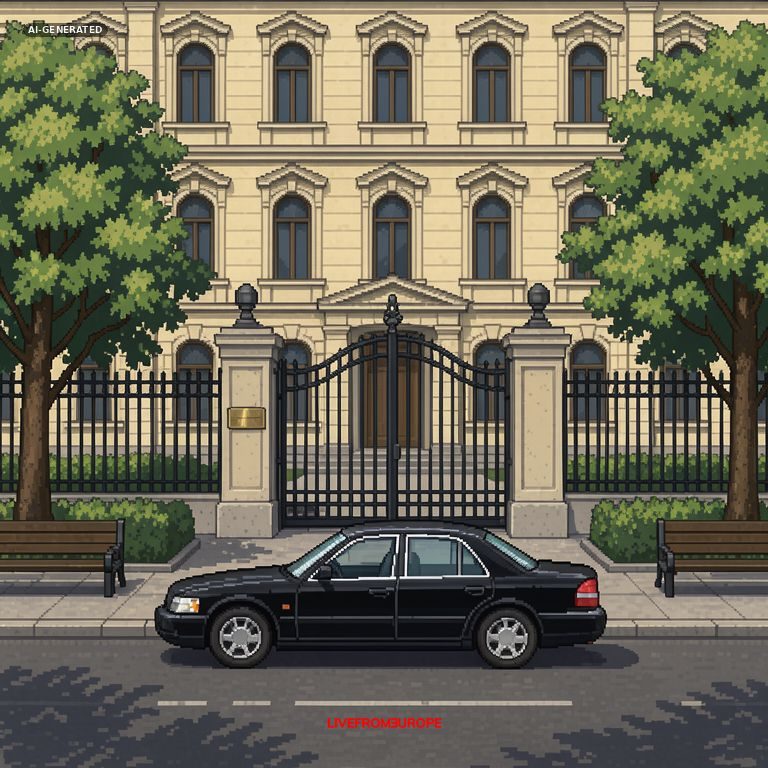
Three worked at the Russian Embassy in Vienna, while the fourth was part of Russia’s mission to the Organization for Security and Cooperation in Europe (OSCE). The Foreign Ministry declared them *personae non gratae* for “activities incompatible with their diplomatic status.”
The decision follows an investigation triggered by a mid-August report from the Russian outlet *Proekt*, which exposed ties between Russian diplomats in Europe and intelligence agencies including the GRU, SVR, and FSB. Austrian authorities had monitored the four diplomats for some time, according to *Profil* magazine.
This is the second such expulsion this year. In May, Austria removed three Russian Embassy employees over allegations they maintained spying equipment, including satellite dishes on the embassy roof capable of intercepting communications.
The Russian Embassy in Vienna condemned the latest expulsions as a “hostile step” and vowed an “appropriate response,” accusing Austria of blindly following Western anti-Russian policy. The Kremlin echoed this stance, framing the move as part of a broader Western campaign against Moscow.
Vienna has long been a hub for Russian intelligence operations, hosting not only the Russian Embassy but also Russia’s OSCE delegation. An analysis of the *RuPEP* database by the independent outlet *Agentstvo* in August found that at least 20 of the 117 Russian diplomatic staff in Austria had likely ties to Moscow’s intelligence services, with seven of the 22 at the OSCE mission flagged as suspicious.
Austria’s Defense Ministry had previously warned military personnel about 21 individuals, including embassy staff, who might attempt to establish contact for intelligence purposes. The ministry’s alert followed the *Proekt* report and included photographs of the suspects.
Since 2020, Austria has expelled 18 Russian diplomats, with tensions rising after Russia’s 2022 invasion of Ukraine. Vienna has reduced the number of Russian diplomatic staff by nearly a quarter and denied accreditation to about 70 individuals.