eldiario.es
Los Mossos desalojan el edificio de Barcelona ocupado por activistas de la acampada por la vivienda El colectivo había reclamado "liberar" más inmuebles en la capital catalana para destinarlos a personas sin hogarEl Ayuntamiento corta la luz a la acampada de Barcelona ante un "riesgo inminente" alertado por los Bomberos
Los Mossos d'Esquadra han desalojado este viernes a última hora de la tarde el edificio del distrito del Eixample de Barcelona que habían ocupado activistas de la acampada por la vivienda de la capital catalana para destinarlo a personas sin hogar.
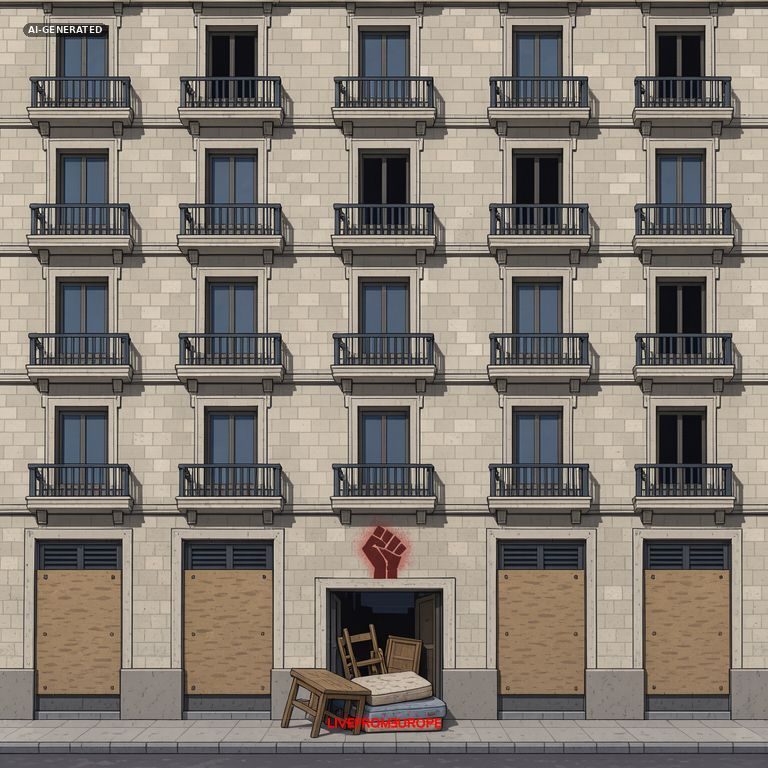
Los activistas habían ocupado el edificio después de una manifestación el mediodía de este viernes que ha salido de la acampada y ha llegado a la calle Calàbria, 177, el bloque que han bautizado como 'La revolta'.
El propietario de la finca ha denunciado su ocupación y, en apenas unas horas, los Mossos han desplegado un operativo para devolvérselo. Hasta once furgonas se han desplegado para desalojar a los ocupantes. La policía también ha denunciado a 19 activistias por desobediencia y resistencia a la autoridad.
Desde el colectivo han explicado que ya había dos familias que vivían en el inmueble y que ahora liberarán el resto de pisos para "acoger al máximo de personas posible". El edificio tiene seis pisos y un local comercial. Los acampados han avisado que prevén realizar más acciones de este tipo porque "hay demasiados bloques vacíos en Barcelona".
Según los acampados, el bloque hacía ocho años que estaba "abandonado", a execpión de estas dos familias. Apuntan que "las personas prioritarias" para ocupar los pisos que quedan vacíos, serán las cincuenta personas sin hogar que participan en la acampada de plaza Catalunya.
"Si el Estado no soluciona el problema de la vivienda, lo solucionaremos nosotras mismas, haciendo lo que podamos", han apuntado.
La acción cuenta con el apoyo del Sindicat d'Habitatge del Raval, el de Poblesec, la Coordinadora Antifeixista de Barcelona y la PAH. La idea es que cada una de estas partes pueda gestionar una parte del edificio y que se convierta, además de en viviendas, en un "núcleo de organización igual que la acampada", abriendo el local comercial a entidades y asambleas locales.
about 13 hours ago
maldita
¿Si un okupa llega con un papel de haber pedido una pizza, ya nadie le puede sacar hasta dentro de varios años? Los expertos consultados indican que no es prueba suficiente, pero puede retrasar el desalojo
&
Maldita.es, directo en tu WhatsApp
Sigue nuestro canal
Durante un acto en Andalucía el 21 de octubre de 2026, el líder del PP, Alberto Núñez Feijóo, contó una supuesta técnica que usan los "okupas" para entrar en viviendas y que nadie les pueda "sacar hasta dentro de varios años": presentar un ticket de pizza a domicilio [min. 1:32:43]. Esta técnica consistiría en pedir una pizza (o cualquier tipo de comida rápida) a un domicilio todavía no ocupado y recogerla con el ticket, el que supuestamente serviría como justificante de residencia de la casa y evitaría el desalojo policial inmediato, según explica el portal de Idealista. Feijóo no dice que haya que esperar para entrar en el inmueble, aunque algunos contenidos señalan que hay que hacerlo pasadas 48 horas. El criterio jurídico determinante para cómo se procede al desalojo es "la existencia de un delito flagrante, junto con las circunstancias concretas de la ocupación y la naturaleza del inmueble", explica a Maldita.es Ernest Abelló, presidente de la Asociación Profesional de Consultores en Protección de Datos. Si existe delito flagrante se "permite la entrada y desalojo inmediato sin mandamiento judicial", señala Rubén Martín de Pablos, abogado y presidente de la sección de abogados penalistas del Colegio de la Abogacía de Madrid. ¿Qué es un delito flagrante?Es el que "se está cometiendo o que acaba de cometerse", explica Abelló. Si los agentes constatan un delito flagrante, "pueden actuar conforme a sus competencias, sin que la exhibición de un justificante de comida altere por sí misma esa situación", añade. Un delito flagrante "permite la entrada y desalojo inmediato", matiza Martín de Pablos.En caso de que existieran dudas sobre cuándo se ha producido la ocupación y las circunstancias o de la existencia de una posesión legítima anterior, "la intervención podría requerir autorización judicial, pero no como consecuencia automática de presentar un ticket, sino por las garantías jurídicas" del caso, explica Abelló.¿Se puede retrasar el desahucio de una vivienda con un ticket?"Un ticket de pizza o de comida, por sí solo, tiene un valor probatorio muy limitado: ni acredita título legítimo ni, normalmente, una permanencia consolidada; como máximo, puede generar dudas fácticas en la patrulla y llevar a canalizar la actuación por vía judicial, retrasando el desalojo inmediato", según Rubén Martín de Pablos. Explica que puede generar dudas de si ha sido una entrada violenta reciente, de si existe algún tipo de consentimiento o tolerancia previa o de si la situación requiere una ponderación judicial más reposada. Martín de Pablos explica que, para valorar si existe una ocupación consolidada o una morada, se atiende a pruebas como escrituras, contratos de suministros, mobiliario o al testimonio de los vecinos. Con esto, "el ticket de comida solo podría servir, en combinación con el resto, como un indicio accesorio", pero no como prueba principal de ocupación.A 23 de octubre de 2026, hemos encontrado un caso de ocupación de septiembre de 2025 que llegó a la Audiencia Provincial de Lugo y en el que la policía no realizó un desalojo inmediato porque los ocupantes les mostraron un ticket, pero también había muebles en el interior de la vivienda. Sin embargo, el tribunal no lo admitió como justificación y confirmó la condena por delito leve de usurpación y ordenó el desalojo forzoso del inmueble en 2026. Con todo, este proceso se prolongó algo más de nueve meses, no varios años como señala Feijóo. Abelló detalla que un ticket no demuestra necesariamente que quien lo presenta sea quien efectuó el pedido, que recibiera personalmente la comida, que permaneciera dentro del inmueble desde aquella fecha o que dispusiera de un título jurídico para ocuparlo. "Se trata, en el mejor de los casos, de un indicio muy débil, que, aislado, no justifica tener por acreditado un arraigo ni una permanencia dilatada", según Martín de Pablos.La legislación española distingue dos tipos de delitos de ocupación de vivienda según si se considera o no morada. Un inmueble constituye morada si es una "vivienda habitual o segunda residencia efectivamente utilizada", explica Martín de Pablos. Si se considera morada, hay allanamiento (regulado por el artículo 202 del Código Penal). Si no se considera morada, porque es un inmueble ajeno vacío en el que no se reside y "se permanece en él contra la voluntad de su titular", según Abelló, se trata de usurpación de inmuebles (artículo 245).
about 17 hours ago
eldiario.es
Los acampados por la vivienda en Barcelona ocupan un edificio del Eixample para personas sin hogar El colectivo ha asegurado que están "mirando más opciones" para "liberar" más inmuebles en la capital catalanaEl Ayuntamiento corta la luz a la acampada de Barcelona ante un "riesgo inminente" alertado por los Bomberos
Los acampados en la Plaça Catalunya han ocupado en un edificio del Eixample de Barcelona para destinarlo a personas sin hogar. Lo han hecho después de una manifestación el mediodía de este viernes que ha salido de la acampada y ha llegado a la calle Calàbria, 177, el bloque que han bautizado como 'La revolta'.
Desde el colectivo han explicado que ya había dos familias que vivían en el inmueble y que ahora liberarán el resto de pisos para "acoger al máximo de personas posible". El edificio tiene seis pisos y un local comercial. Los acampados han avisado que prevén realizar más acciones de este tipo porque "hay demasiados bloques vacíos en Barcelona".
Según los acampados, el bloque hacía ocho años que estaba "abandonado", a execpión de estas dos familias. Apuntan que "las personas prioritarias" para ocupar los pisos que quedan vacíos, serán las cincuenta personas sin hogar que participan en la acampada de Plaça Catalunya. "Si el Estado no soluciona el problema de la vivienda, lo solucionaremos nosotras mismas, haciendo lo que podamos", han apuntado.
La acción cuenta con el apoyo del Sindicat d'Habitatge del Raval, el de Poblesec, la Coordinadora Antifeixista de Barcelona y la PAH. La idea es que cada una de estas partes pueda gestionar una parte del edificio y que se convierta, además de en viviendas, en un "núcleo de organización igual que la acampada", abriendo el local comercial a entidades y asambleas locales.
about 17 hours ago