Chinese electric vehicle maker Leapmotor has produced its 2 millionth car as Tesla plans a €3 billion robotaxi factory in Germany while Volkswagen and Ferrari struggle with electric models.
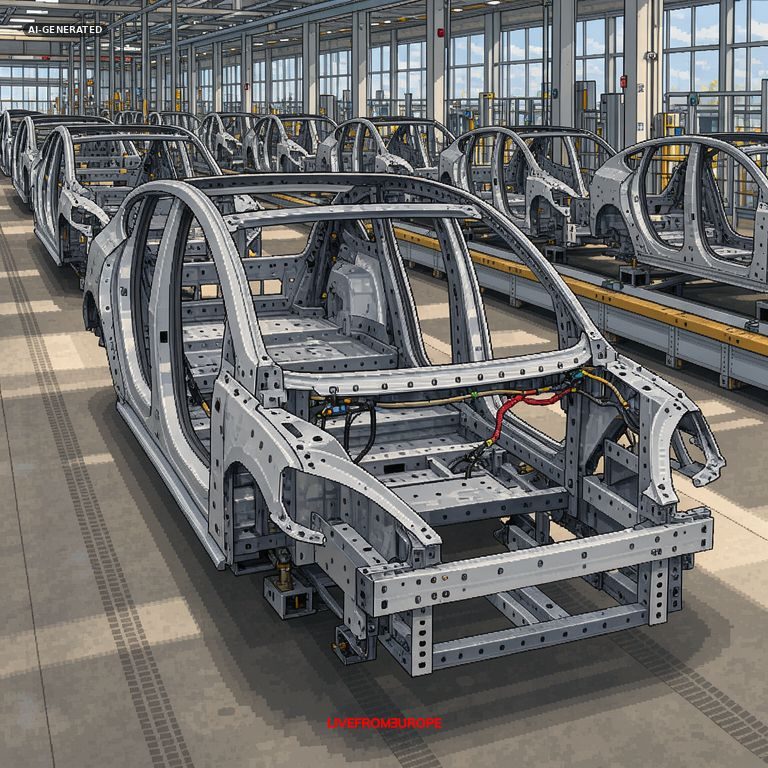
Leapmotor produced its 2 millionth vehicle this week, according to CleanTechnica, having manufactured more than 100,000 cars per month for four consecutive months. The company plans to produce 1 million vehicles in 2026 alone—equal to half of its cumulative total—and will reach 3 million cumulative vehicles by the middle of next year. It launched the Lafa 5 compact hatchback with pre-sales starting this week, and produced the 50,000th unit of its D19 SUV. [1]
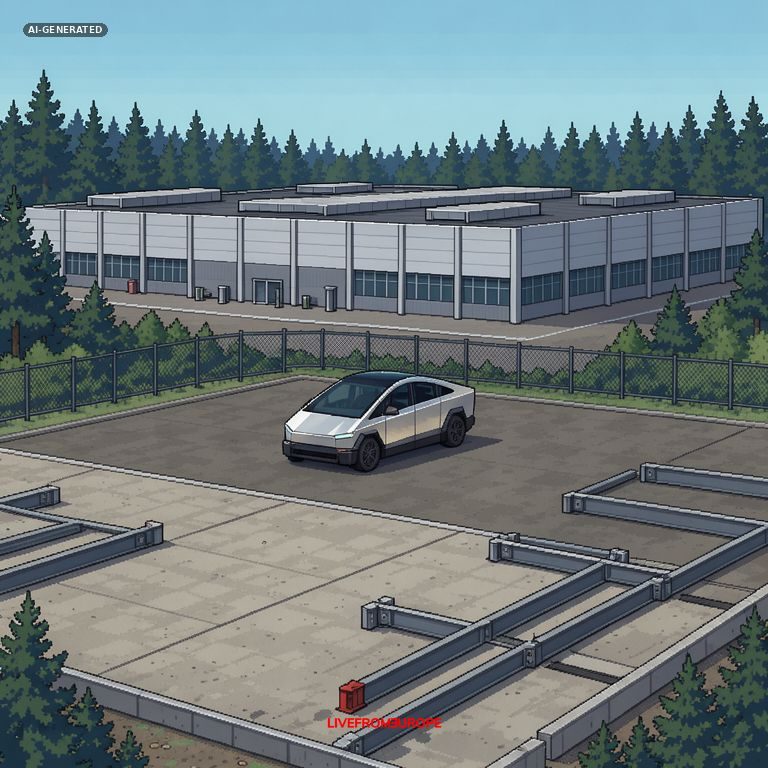
Tesla will invest €3 billion to build a second factory at its Grünheide plant in Germany, aiming to produce up to 1 million Cybercab robotaxis annually. Construction begins in the first half of 2027, with production slated for 2029. The vehicles will be self-driving cars without steering wheels or pedals. Plant manager André Thierig said he would announce the plans to employees on Monday, noting that the decision was made by Elon Musk last week. He warned that European regulations currently permit only 1,500 fully autonomous vehicles per type per year, joking that otherwise Tesla would build "the world's most expensive letter openers." [2]
Tesla is also expanding its autonomous lineup in the United States. Chief executive Elon Musk said at The New York Times DealBook Summit that the company plans a version of the Model Y without pedals or a steering wheel. The vehicle would carry six or seven passengers. Tesla already uses the Model Y in its robotaxi fleet, and the standard version seats four. The two-seat Cybercab launches later this year. [3]
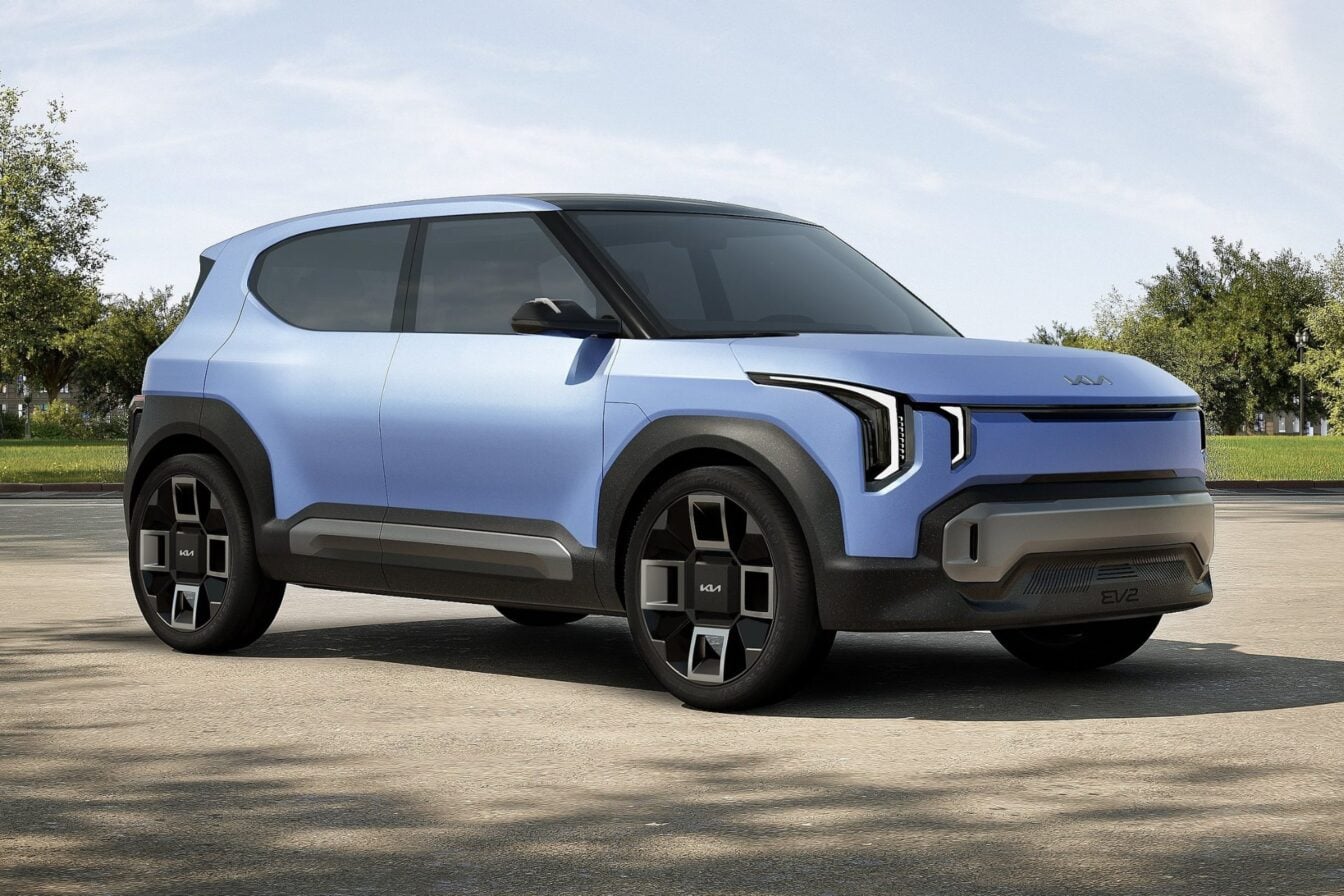
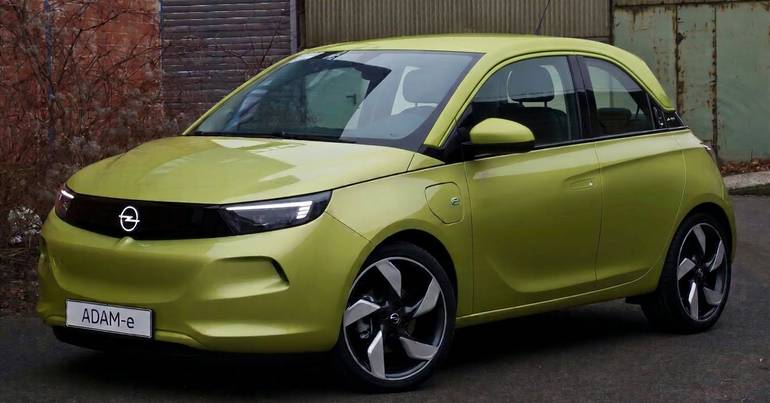
Volkswagen is currently going through a particularly troubled period, with a mixed situation in China. The company has paused development of the ID. Golf and modernization of its Wolfsburg factory, and plans to reduce its range significantly by 2035. It continues electrification with four affordable city cars: the ID. Polo, ID. Cross, Skoda Epiq and Cupra Raval. It plans to launch the ID. Up, an electric city car priced around €20,000, in late 2027, targeting competitors like the Renault Twingo E-Tech and Dacia Spring. [4]
Ferrari's first electric vehicle, the Luce, met with a storm of criticism when unveiled, though the first example sold at auction for $40 million. Chief executive Benedetto Vigna takes the criticism calmly but acknowledged that the company made two mistakes with the car. [5]