Tesla plans to invest €3 billion to expand its German factory for driverless Cybercab production, while European critical infrastructure including factories requires special protection from drone attacks.
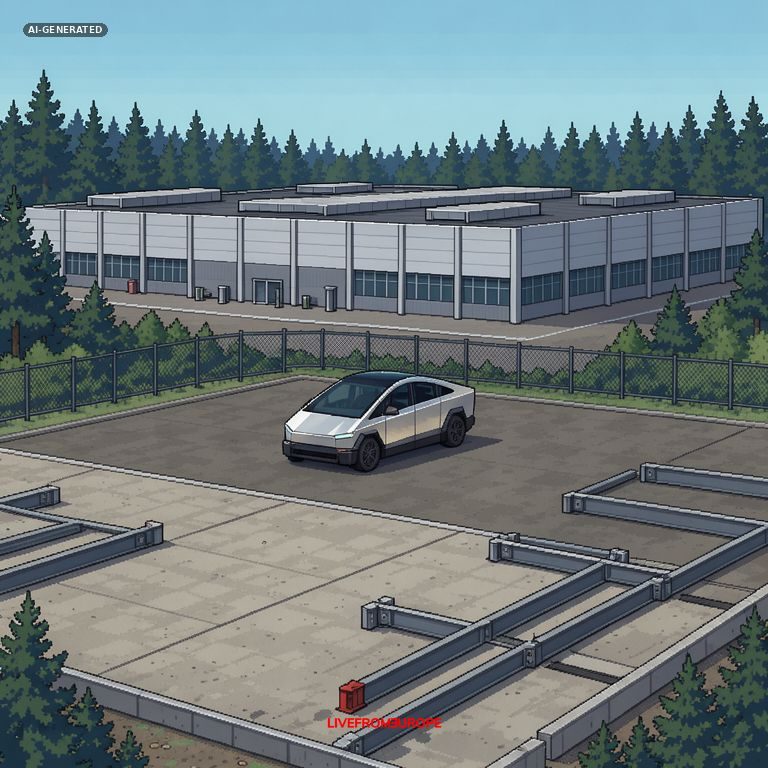
The expansion will take place at Tesla's only European factory in Grünheide, about 30 kilometers southeast of Berlin. The company said the investment will give the site long-term capacity to produce one million self-driving Cybercabs annually. Construction is expected to begin during the first half of 2027, with Cybercab production scheduled to start in 2029. "This will lay the foundation for the world's most technologically advanced Tesla factory here in Grünheide," the company said.
The two-door Cybercab has no steering wheel or pedals. Tesla unveiled the vehicle in 2024. The company has since used it in some US cities as part of its Robotaxi self-driving transport service.
The investment contrasts with recent job cuts and other difficulties across Germany's automotive industry, according to news agency AFP. Tesla's German factory opened in 2022, and local authorities approved an expansion two years ago. However, the company reduced the scale of its original plans following a nonbinding vote among local residents. Residents and environmental activists have raised concerns about the potential clearing of forest areas, increased traffic and the factory's broader environmental impact.
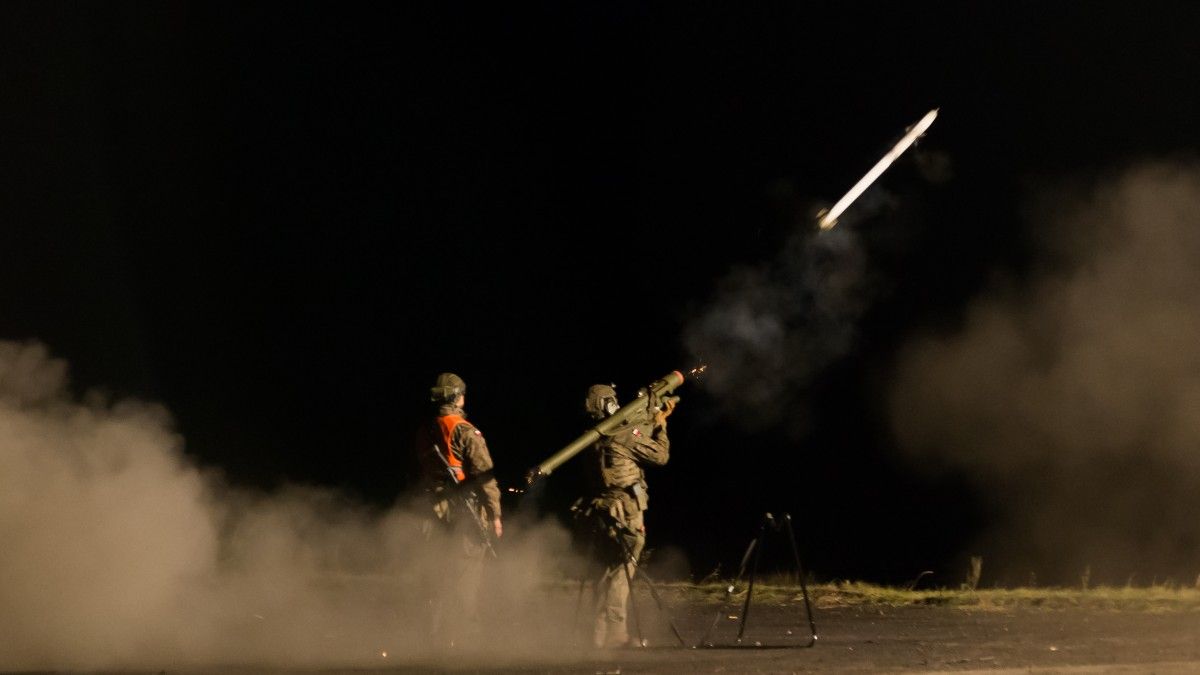
The expansion coincides with growing concerns across Europe about protecting critical infrastructure from drone attacks. Power plants, gas pipelines and industrial factories are increasingly exposed to such threats. Europe still has serious gaps in protecting this infrastructure, according to a report by the Polish news outlet WNP. The war in Ukraine showed how serious a threat drones pose to critical infrastructure, said Maciej Klemm, president of Advanced Protection Systems (APS). The company is a Polish producer of radars and anti-drone systems.
Attacks on energy and industrial facilities can cause material losses and disrupt energy supplies and entire sectors of the economy. Anti-drone systems have until now been developed primarily for military needs. Protection of civilian infrastructure has not kept pace with the changing nature of threats, Klemm said. APS participates in the San program for the Polish army. The company has already secured first contracts in the civilian segment, both in Poland and abroad. It plans to invest 100 million złoty over the next 18 months and is considering a stock exchange debut.
"We expect that in the next two or three years this will be a very dynamically developing market," Klemm said.