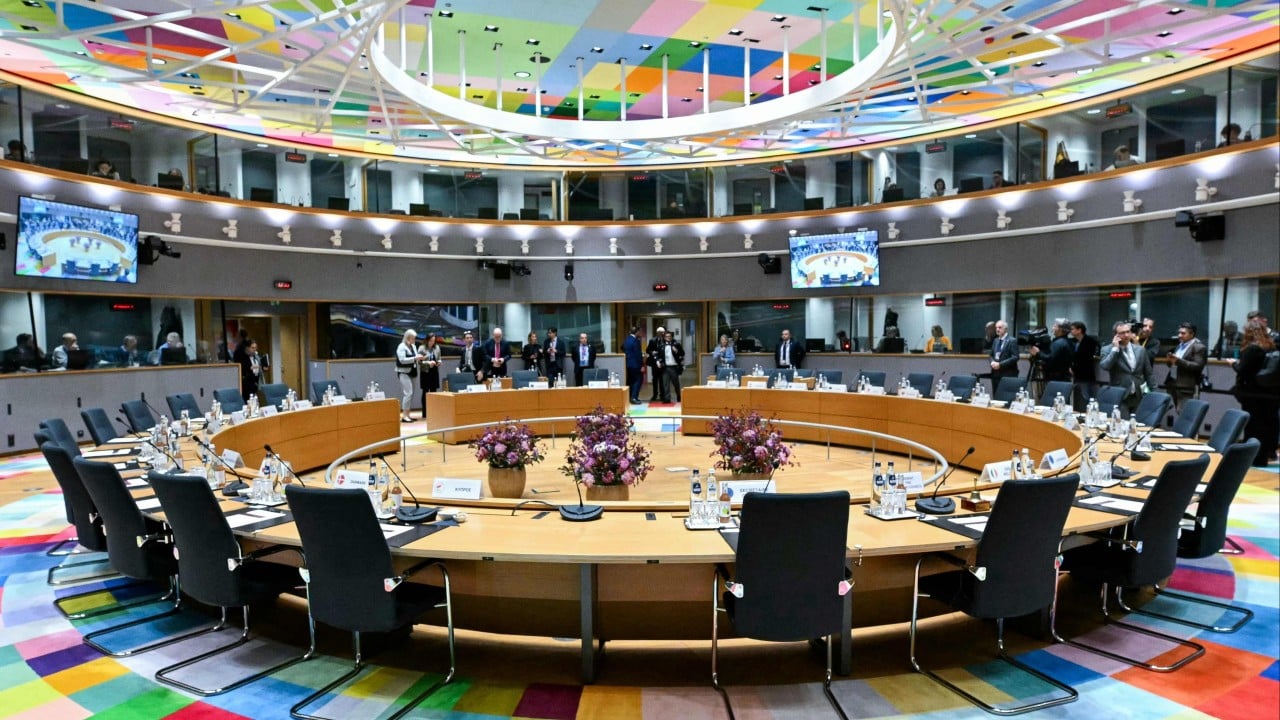
European Union leaders failed to reach an agreement on the bloc's 2028-2034 budget after more than 12 hours of talks at a Brussels summit on Thursday, deferring negotiations to December. [1]
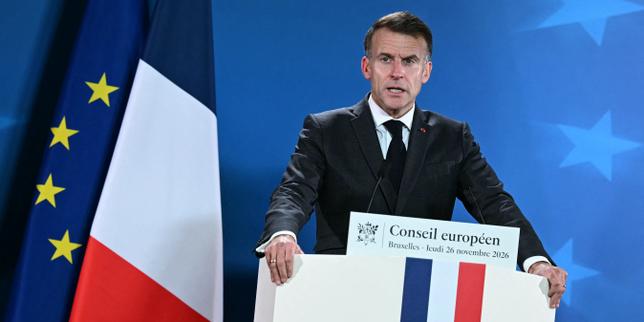
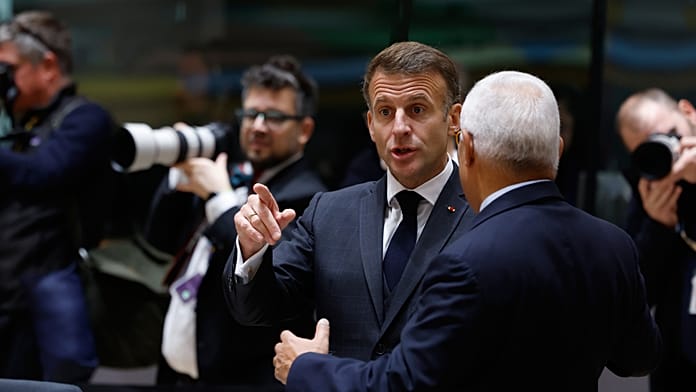
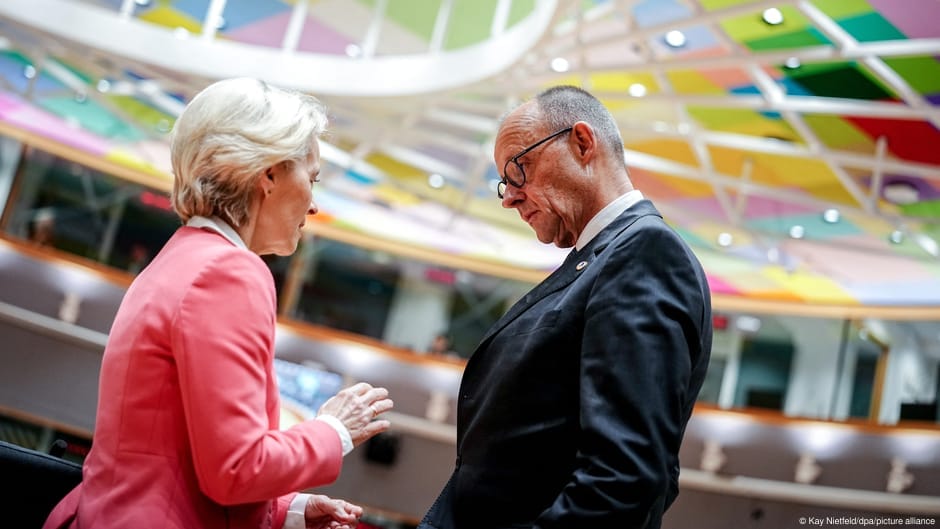
German Chancellor Friedrich Merz announced the early end of the meeting on Thursday evening. "We know that we will not reach a result this evening," he said. [2] Leaders agreed not to resume on Friday. They will reconvene at the next EU summit on December 17 and 18. [3] French President Emmanuel Macron set an end-of-year deadline for a deal. [4]
The 2028-2034 budget amounts to between one and 1.2 percent of the EU's gross national income. [1] It is small compared to national budgets. It is financed by the 27 member states based on the size of their economies. European Council President António Costa proposed €1.582 trillion. [5] This was €204 billion less than the Commission's original €2 trillion. [5]
The frugal states, including Germany, the Netherlands and Sweden, demanded deeper cuts. [6] Merz said the volume was still too high. [5] The 17-member Friends of Cohesion group, including Greece and Italy, opposed cuts to agriculture and regional funding. [6] Farmers protested outside the Council building. [7]
Macron said he would not accept cuts to French agricultural subsidies. [8] He called reducing the budget a "strategic mistake." [8] He said he would not continue negotiations beyond December 31. [8] Greek Prime Minister Kyriakos Mitsotakis said, "We cannot talk about a strong Europe with a weak budget." [3]
Italian Prime Minister Giorgia Meloni said leaders were "light years away" from an agreement. [9] Hungarian Prime Minister Péter Magyar questioned whether a compromise could be reached before Christmas. [10] Costa said, "Everyone knows that Europe cannot afford to fail." [10] He added that a new budget is needed from January 1, 2028. [10]
The talks also covered a proposed €45 billion loan for Ukraine in 2027. [3] Twenty-four member states supported the loan. [3] Slovakia, the Czech Republic, Hungary and Bulgaria objected to financing interest payments. [5] Germany linked the budget agreement to all member states participating in Ukraine financing. [5]
Leaders discussed new revenue sources. A digital services tax on major technology companies received wide support. [11] Mitsotakis proposed a joint European auction of 6G radio spectrum. [3] Commission President Ursula von der Leyen said progress was made on new own resources. [11]
Mitsotakis described reaching an agreement at the December summit as imperative. [3] He argued that political developments in several member states will make securing unanimity in early 2027 almost impossible. [3] Macron faces a presidential election in April 2027. [5] Far-right leader Marine Le Pen leads polls and accused Macron of trying to finalize an agreement before the election. [12]