
Trump drops 20% Strait of Hormuz fee plan, seeks Gulf investment deals amid Iran tensions

Story Timeline
2 months · 7 summary articles
U.S. President Donald Trump reversed course on Tuesday, abandoning a proposal to charge a 20% transit fee on shipping through the Strait of Hormuz and instead seeking investment deals with Gulf states. The decision comes amid escalating tensions with Iran, which has seen a series of attacks and counterattacks in the region.
Trump announced the change in a post on Truth Social, stating, "Based on highly productive conversations with Middle East leadership, I have decided to replace the 20% United States Reimbursement Fee with Trade and Investment Deals that the various Gulf States will be making into the United States." The move follows sharp criticism of the proposed fee, including from the U.N. shipping agency, which argued that there was no legal basis for introducing mandatory tolls on strait transits.
The reversal comes as U.S. forces carried out attacks for a fourth consecutive night after Tehran claimed it had closed the strait. Iran reportedly attacked a U.S. Army base in Jordan with ballistic missiles, while Bahrain, which hosts a U.S. naval base, said it had fended off an Iranian aerial attack. The United Arab Emirates reported that an Indian crew member was killed and eight others wounded when two Emirati oil tankers were struck by Iranian cruise missiles.
The U.S. military's Central Command (Centcom) confirmed that it had launched a new series of strikes and was implementing a naval blockade of Iranian ports and coastal areas. The blockade was set to take effect at 2000 GMT on Tuesday. Trump had earlier threatened to hit Iran "very hard" in response to their actions.
The proposed 20% fee had drawn widespread criticism. Brazilian President Luiz Inacio Lula da Silva called the plan "piracy" and a violation of global maritime trade principles. The U.N. shipping agency also opposed the fee, stating that straits used in international navigation should not be subject to such charges.
The conflict has disrupted global energy supplies and raised concerns about inflation. Regional analysts warn that while the hostilities remain within controlled boundaries for now, there is a risk of the situation spiraling out of control. The recent escalation has cast doubt on the effectiveness of a memorandum of understanding signed last month, which was intended to lead to a permanent halt in the war.
Trump's initial proposal to charge the fee was met with skepticism about its feasibility and legality. Shipping companies and analysts questioned the practicality of implementing such a toll and its potential impact on global trade.
The U.S. has been involved in a series of tit-for-tat strikes with Iran, with both sides seeking leverage for an eventual peace deal. The situation remains fluid, with ongoing attacks and counterattacks in the region.
Follow us for live European news
- 3
- 2
- 2
- 1
- 1
- 1
- 1
- 1
- 1
- 1
- 1
1 further source not geolocated
Articles
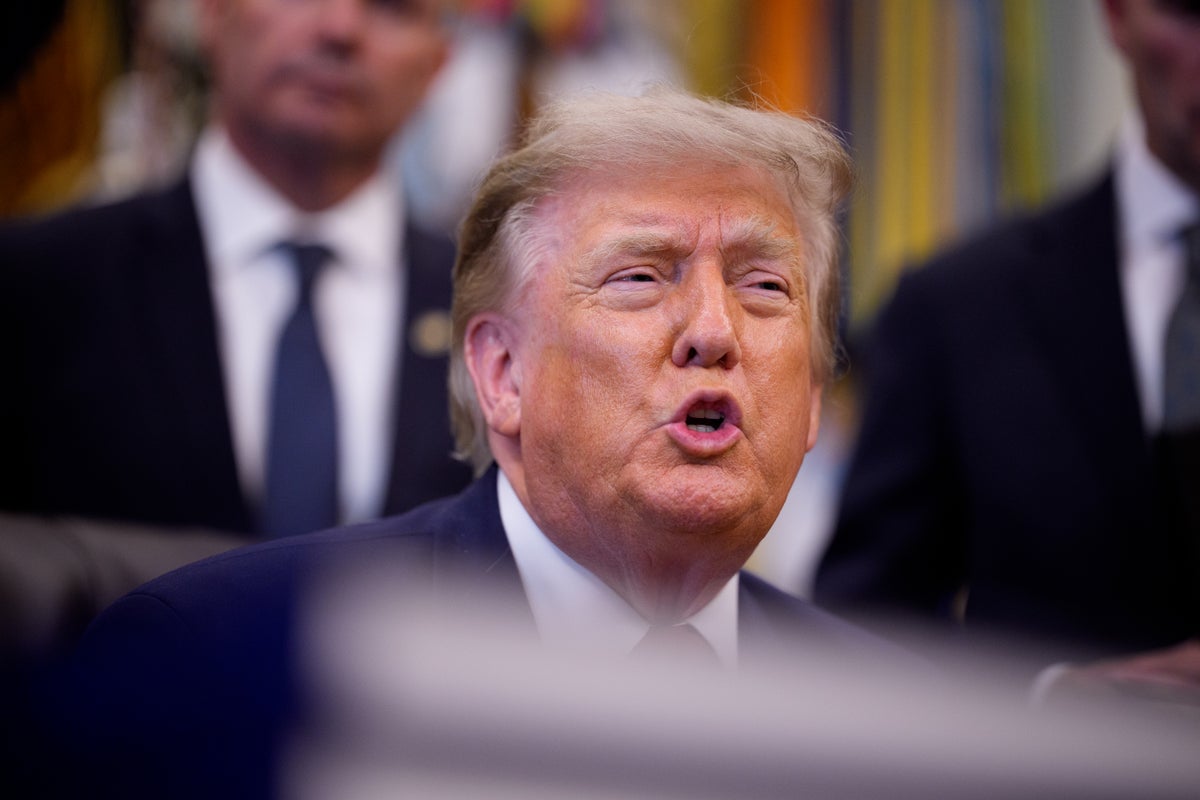
The Trump toll: Why plan to charge ships 20 fee in Strait of Hormuz will never work Trumps 20 per cent toll on shipping could more than double the cost of transporting oil from the Gulf to Europe, say analysts
independent · about 2 months ago

Iranin sota | Trump peruu vaatimuksensa rahtimaksuista Hormuzinsalmella, Yhdysvallat jatkoi iskujaan Iraniin Vielä maanantaina Trump sanoi, että Yhdysvallat aikoo periä maksuja Hormuzinsalmen kautta kulkevasta rahdista.
helsingin sanomat · about 2 months ago

Trump Reverses 20 Strait of Hormuz Toll, as U.S. Restarts Blockade of Irans Ports The decision comes a day after the president said the U.S. would charge a toll for shipping cargo through a waterway Iran has tried to control.
wsj · about 2 months ago
F.A.Z.-Frühdenker: Wird Deutschland jetzt weniger bürokratisch? Die Regierung will den Papierstau auflösen, Trump verzichtet auf die Hormus-Gebühr, und England und Argentinien steht ein hitziges WM-Halbfinale bevor. Der F.A.Z.-Frühdenker.
faz · about 2 months ago
Trump drops Hormuz fee plan in favor of Gulf investment deals U.S. President Donald Trump stepped back on Tuesday from a proposal to charge a 20 transit fee on shipping through the Strait of Hormuz amid the war with…
japantoday · about 2 months ago
Por qué el ataque del 11-S afectó menos a la economía de lo esperado El atentado contra las Torres Gemelas en Nueva York significó un coste menor sobre la economía norteamericana de lo que se estimaba. Las gestiones que llevaron a cabo las instituciones financieras del país evitaron una fuerte crisis. Leer
expansion · about 2 months ago
Trump Pivots His Strait of Hormuz Strategy—Again Pressure from Gulf leaders prompted Trump to abandon proposed tolls.
foreignpolicy.com · about 2 months ago
Trump rückt von Hormuz-Gebühr ab: Neue US-Angriffe auf den Iran Nach „sehr produktiven Gesprächen mit den Führungsspitzen im Nahen Osten habe er beschlossen, die Abgabe von 20 Prozent durch Handels- und Investitionsabkommen zu ersetzen, erklärt der US-Präsident. Unterdessen gehen die Kämpfe im Iran weiter.
die presse · about 2 months ago
Brazilian president slams Trump Hormuz shipping fee as piracy Brazilian President Luiz Inacio Lula da Silva criticized US President Donald Trumps plan to charge commercial vessels a 20 fee for transiting the Strait of Hormuz, telling reporters that demanding payment for passage through the vital waterway amounts to "piracy" and violates established principles of global maritime trade.
yenisafak · about 2 months ago
Wispelturige Trump ziet binnen dag alweer af van heffing in Straat van Hormuz Een dag nadat de Amerikaanse president Donald Trump nog had aangekondigd tol te heffen voor scheepsverkeer door de Straat van Hormuz, besluit hij daar alweer van af te zien. Trump zegt dat hij handels- en investeringsakkoorden heeft gesloten met de Golfstaten.
nu.nl · about 2 months ago
Streit um Straße von Hormus: Trump will nun doch keine Gebühren für Durchfahrten erheben US-Präsident Trump wollte eine 20-prozentige Abgabe für Fracht in der Wasserstraße kassieren. Doch jetzt ist er von seinem Plan wieder abgerückt – und setzt auf „massive Abkommen.
tagesspiegel · about 2 months ago
USA: Trumps Energiepolitik bremst Investitionen in Milliardenhöhe 223 Projekte der Energiebranche sind einem Bericht zufolge durch Fördermittelkürzungen ins Stocken geraten oder abgesagt worden. Weitere Projekte stehen auf der Kippe.
handelsblatt · about 2 months ago
Trump says US to abandon proposed Strait of Hormuz cargo fee US military launches seventh wave of strikes after the president said he would replace fees plan with Gulf investment
financial times · about 2 months ago
Trump meggondolta magát, mégsem szed védelmi pénzt a Hormuzi-szorosban Az amerikai elnök azután változtatta meg korábbi döntését, hogy a közel-keleti vezetők pénz helyett beruházásokat ajánlottak fel neki.
hvg.hu · about 2 months ago
Trump drops Hormuz shipping fee as US prepares Iran port blockade US President Donald Trump abandoned plans for a 20 fee on cargo passing through the Strait of Hormuz on Tuesday, replacing the proposed charge with trade and investment agreements involving Gulf states as Washington prepares to resume a naval blockade of Iranian ports. Trump had announced the fee as part of efforts to cover the […]
cyprus mail · about 2 months ago
Трамп передумал брать плату за проход судов через Ормузский пролив Дональд Трамп объявил, что Соединенные Штаты не будет взимать плату за проход судов через Ормузский пролив. Об этом американский президент написал в соцсети Truth Social.
meduza · about 2 months ago