
U.S. revokes Iran oil license after tankers struck near Strait of Hormuz
Story Timeline
3 months · 19 summary articles
The United States revoked a general license on Tuesday that had permitted Iranian oil sales, escalating tensions after three tankers were struck by unidentified projectiles near the Strait of Hormuz in recent days.
The Treasury Department’s Office of Foreign Assets Control announced the move, citing Iran’s actions in the strategic waterway as “wholly unacceptable” and vowing consequences. The revocation follows attacks on a Qatari liquefied natural gas tanker, a Saudi crude tanker, and a vessel under the Marshall Islands flag, all within 48 hours. Iran has neither commented on the incidents nor claimed responsibility, though U.S. officials allege the Islamic Revolutionary Guard Corps was responsible.
Oil prices surged more than 5% following the announcement, reflecting market unease over the fragile ceasefire between Washington and Tehran. The U.S. and Iran had agreed in late June to reopen the Strait of Hormuz—through which one-fifth of the world’s oil transits—after a three-month conflict throttled global energy supplies. Traffic through the strait remains at one-third to one-fifth of pre-war levels, despite the easing of restrictions.
The revoked license, issued on June 21 as part of a memorandum of understanding, had allowed Iran to sell oil in exchange for commitments to stabilize the strait. The Treasury granted a wind-down period until July 17 for existing transactions. “Iran will only reap benefits if they exhibit good behavior,” a U.S. official told Reuters . Negotiators are still working toward a final agreement, though the latest escalation threatens to derail talks.
The U.S. Navy-led Joint Maritime Information Center raised the threat level for strait transit to “severe” on Tuesday, the highest since June 15, citing deliberate hostile action. The Islamic Revolutionary Guard Corps has intensified hailing of vessels and deployed additional naval assets, according to the center’s advisory.
Qatar summoned Iran’s vice ambassador on Tuesday to protest the attack on its LNG tanker, while Saudi Arabia condemned the strikes on its crude carrier. The incidents have disrupted a fragile diplomatic détente, with Iran accusing regional states of “tampering” with shipping routes and warning of risks to uncoordinated vessels.
The U.S. military responded by striking more than 80 targets in Iran on Tuesday, including air defense systems, anti-ship missiles, and Revolutionary Guard boats, according to U.S. Central Command. President Donald Trump approved the strikes from the NATO summit in Ankara, the *New York Times* reported .
Analysts warn the escalation could trigger further retaliation, undermining the fragile peace and risking a renewed disruption to global energy markets. The Strait of Hormuz remains a critical chokepoint, and any prolonged instability would send shockwaves through oil and gas supplies.
Follow us for live European news
- 3
- 2
- 1
- 1
- 1
- 1
- 1
- 1
- 1
7 further sources not geolocated
Articles

🇮🇷⚡️ — BREAKING: Explosion reported in Bandar Abbas, Iran.
telegram_Intel Slava · about 2 months ago
USA svänger – oljepriser rusar Återkallar Irans tillstånd
expressen · about 2 months ago
„Wir wollen Trumps Kopf: Der Machtkampf im Iran verschärft sich [premium] Bei der mehrtägigen Trauerfeier für Ali Khamenei treten die Rivalitäten zwischen Hardlinern und Pragmatikern zutage. Die Rhetorik zwischen den USA und Iran verschärft sich.
die presse · about 2 months ago
Tanker struck by drone near Strait of Hormuz, UK maritime authorities annouce A tanker transiting near the Strait of Hormuz has been struck by an unidentified drone, sustaining minor hull damage, with no casualties reported, the UK Maritime Trade Operations agency says.
intellinews · about 2 months ago
Iran newspaper editor calls for retaliation against Trump The managing editor of Irans hardline Kayhan newspaper, Hossein Shariatmadari, has published an editorial demanding retaliation against Donald Trump over the death of Irans late leader.
intellinews · about 2 months ago
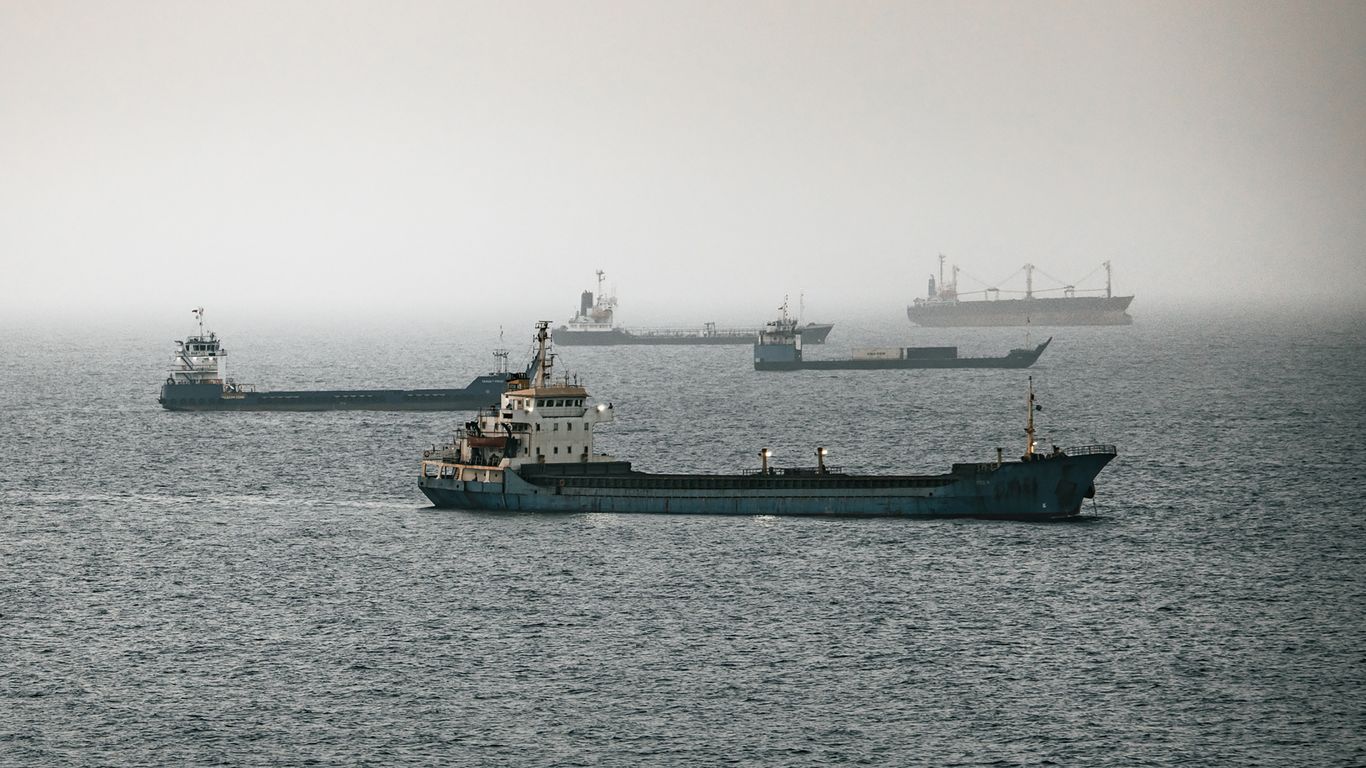
Strait of Hormuz: Iran attacks three ships in 24 hours, U.S. says Irans military fired at least two missiles at commercial ships transiting the Strait of Hormuz on Monday night, two U.S. officials tell Axios.The IRGC attacked a third commercial ship on Tuesday morning, a U.S. official said.Why it matters: The reported attacks threaten to unravel a memorandum of understanding signed less than three weeks ago under which Iran agreed to halt attacks in the Strait of Hormuz.And they come after a one-week agreement between the U.S. and Iran on halting attacks in the strait expired.The U.S. is likely to retaliate with strikes against Iranian targets. Driving the news: The United Kingdom Maritime Trade Operations said Monday that it had received a report from a tanker traveling south near Oman along the Strait of Hormuz coast that had been struck by an unknown projectile, causing a fire.A U.S. official said a second commercial vessel had been struck by an Iranian missile.Both vessels suffered significant damage but no casualties, the U.S. official said. State of play: A round of indirect talks between the U.S. and Iran in Doha, Qatar, last week ended without much progress on the issue of the Strait of Hormuz.
axios · about 2 months ago
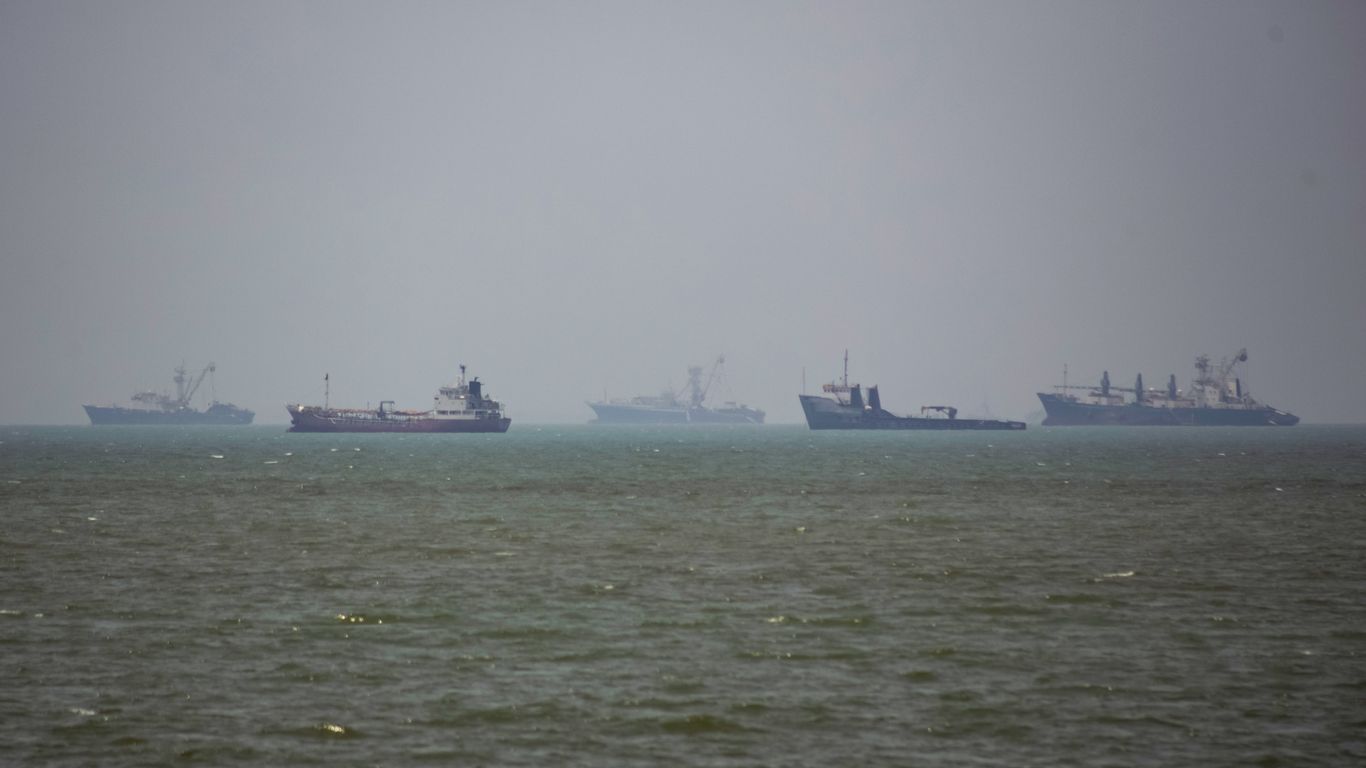
U.S. revokes Iran oil waivers after attacks in Strait of Hormuz The Trump administration on Tuesday revoked the temporary waivers it issued as part of the memorandum of understanding (MOU) with Iran that allowed Tehran to sell oil, the Department of Treasury announced. Why it matters: The revocation of the waivers that was issued less than three weeks ago is in response to the renewed Iranian attacks against ships in the Strait of Hormuz over the past 24 hours. The latest: An Iranian Foreign Ministry spokesperson said commercial vessels using uncoordinated routes with Iran or "tampering" with ships tracking faced risks and disrupted Tehrans efforts to facilitate a safe passage in the Strait of Hormuz. Driving the news: A U.S. official said the Office of Foreign Assets Control was revoking the general license that authorized the sale of Iranian oil because as "President Trump and the administration have repeatedly affirmed, the MOU in effect with Iran is entirely performance-based.The official added: "Iran will only reap benefits if they exhibit good behavior. Irans actions in the Strait were wholly unacceptable to the United States and will be met with consequences. Our negotiators continue to work in good faith towards a final deal."What theyre saying: Tehrans Foreign Ministry said Iran was "diligently fulfilling its commitments" per the MOU in regards to "necessary measures" to manage the strait.He said countries in the region and shipping companies should "refrain from any actions that contradict provisions of the MOU."This is a breaking news story. Check back for updates.
axios · about 2 months ago
Qatar summons Iranian diplomat after tanker attack in Strait of Hormuz
news.yahoo.com · about 2 months ago
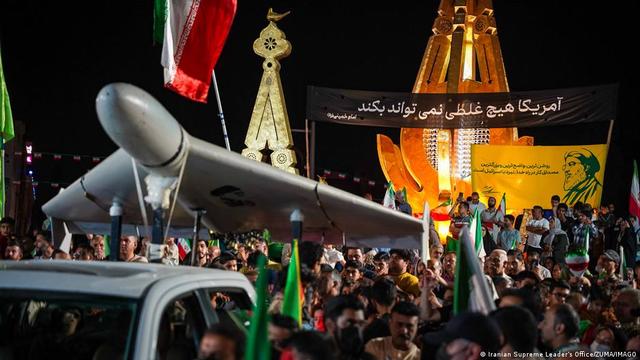
🔴 BREAKINGIrans Axis of Resistance militias empowered by drone technologyDrone production, technology transfer, and training have enabled Irans regional allies in Lebanon, Gaza, Yemen, and Iraq to operate with greater independence. This analysis questions whether the network has become too...📰 #Military #Geopolitics #GeoWire
mastodon bot · about 2 months ago
Irans $2M Hormuz Toll: An Ideological ChokepointIran charges ships up to $2M for Hormuz passage while allies transit free. Analysis of the unprecedented ideological toll system reshaping maritime. #WorldNews #ForeignPolicy
mastodon bot · about 2 months ago

The United States is revoking a general license that authorized the sale of Iranian oil, a US official said, warning that Irans actions in the Strait of Hormuz were wholly unacceptable and would be met with consequences after attacks on tankers in the strategic waterway reut.rs/4pboXZJ
bluesky_Reuters · about 2 months ago

US revoking license that authorized Iranian oil sales, official says reut.rs/44VGFqt
bluesky_Reuters · about 2 months ago
🇺🇸🇮🇱🇹🇷⚡️ — If the US supplies Turkey with fifth-generation F-35 fighter jets, the balance of power in the Middle East will be disrupted, Netanyahu stated. He added that he occasionally had disagreements with Donald Trump, but Israel and the US remain true allies. The head of the Israeli Foreign Ministry earlier stated that his prime minister had asked Trump to refuse to sell F-35s to Turkey, as Israel fears losing its military superiority in the region. @Intelslava
telegram_Intel Slava · about 2 months ago
🇺🇸❌🇮🇷 — BREAKING: US revoking license that authorized Iranian oil sales, Reuters reports. ➡️ Washington is withdrawing a general license that had permitted Iranian oil sales, with a US official condemning Irans actions in the Strait of Hormuz as wholly unacceptable after a series of recent tanker attacks. ➡️ Three tankers were struck by unidentified projectiles near the Strait in recent days — Tehran has issued no comment and no party has claimed responsibility. ➡️ Oil prices climbed more than 3 following the announcement, though the official said negotiators continue working in good faith toward a final agreement despite the escalation. @IntelSlava
telegram_Intel Slava · about 2 months ago
🇮🇷⚡️ — NOW: Intense jet activity reported over Bandar Abbas, Hormozgan Province, Iran.
telegram_Intel Slava · about 2 months ago
#Lebanon #Israel Lebanon has expressed criticism of the agreement with Israel, yet a new round of talks is scheduled for mid-July 2026 to address ongoing issues between the two nations. Subscribe to @OSINTdefender Chat room
telegram_OSINTdefender · about 2 months ago
#BREAKING ⚡️🇺🇸❌🇮🇷 - The United States Treasury Department has revoked the authorizing of Iranian oil exports, following the 3 different attacks on Oil Tankers reported by the UKMTO in the last 48 hours. Global oil prices surged immediately following the announcement.
telegram_GeoPWatch · about 2 months ago
#BREAKING U.S. Airstrikes in Sirik, Southern Iran Significant aerial activity involving jet aircraft has been observed over Bandar Abbas, Hormozgan Province, Iran.
telegram_GeoPWatch · about 2 months ago
Hamas announces intent to dissolve Gaza government as disarmament questions remain Hamas said that it is prepared to dissolve its governing institutions in Gaza and transfer authority to the National Committee for the Administration of Gaza (NCAG), a key component of the US- and UN-backed ceasefire framework. As negotiations continue, Israeli officials argue that Hamas surrendering administrative control without relinquishing weapons would leave Hamas as the dominant force behind the scenes. The post Hamas announces intent to dissolve Gaza government as disarmament questions remain appeared first on FDDs Long War Journal.
long war journal · about 2 months ago

U.S. Revokes Waiver Allowing Sale of Iranian Oil The waiver was the key incentive to get Tehran to agree to the interim peace deal, which is now at risk after days of skirmishes in the Strait of Hormuz.
wsj · about 2 months ago

Trump administration gave Tehran details on Iranian asylum seekers, lawsuit alleges Despite the U.S.s ongoing war with Iran, the administration seems more committed to mass deportation than protecting human lives, said an attorney at Public Citizen Litigation Group
independent · about 2 months ago

US revokes Iran oil license after wholly unacceptable attacks on ships in Strait of Hormuz Three tankers reported being struck by unknown projectiles in and near the Strait of Hormuz in recent days
independent · about 2 months ago
US revokes waiver allowing Iranian oil sales after tanker strikes in Strait of Hormuz Qatari and Saudi ships among targets near Oman coast
financial times · about 2 months ago

🔴 BREAKINGGaza doctor alleges execution threat in Israeli prisonA Gaza doctor detained in an Israeli prison claims he was brought there with the intent to be killed, highlighting severe humanitarian concerns and allegations of mistreatment against Palestinian medical personnel held by Israel.📰 #Geopolitics #GeoWire
mastodon bot · about 2 months ago
Iran: Stimme für den Diktator, Zweifel an seinen Opfern 20 Millionen Trauernde im Iran? Berichte über Ali Khameneis Beerdigung zeigen: Mediensprache ist nicht neutral.
die presse · about 2 months ago
Iran-Krieg: USA setzen iranische Ölsanktionen wieder in Kraft
die zeit · about 2 months ago
Greek Shipping Companies Reportedly Made $3.8 Billion Transporting Russian Oil Greek shipping companies reportedly earned at least $3.8 billion from transporting Russian oil over the past three years, despite G7 efforts to curb the Kremlins energy revenues, according to a Financial Times analysis based on freight costs, tanker movements, and ship management data. The trade continues to be permitted under Western sanctions rules as long […]
greek reporter · about 2 months ago
Hamas withdrawal from Gaza governance a bid to unblock deadlocked peace plan Nearly 20 years after taking power in Gaza, Hamas said on Monday it would hand over control of the territory to a committee of Palestinian technocrats. The move is a bid to get the ball rolling on the second phase of a peace plan backed by US President Donald Trump and wrest some control of the territory from Israels grasp, Middle East expert Jean-Paul Chagnollaud told FRANCE 24.
france24 · about 2 months ago

Irans ex president Ahmadinejad comes back from the dead as he is seen at Supreme Leaders funeral - weeks after state-media announced his death in US war The former president of Iran, who was reported dead at the start of the war, has been spotted at the funeral of his countrys Supreme Leader.
dailymail · about 2 months ago
Oil prices rise after attacks on tankers in Strait of Hormuz, U.S. revokes Iran sale authorization Brent and U.S. crude futures rose after a report of an Iranian attack on commercial ships in the Strait of Hormuz.
cnbc · about 2 months ago