The European Parliament on Thursday adopted a resolution marking the 35th anniversary of Vukovar's fall, drawing sharp criticism from Russia and Bosnian Serb leader Milorad Dodik. [1]
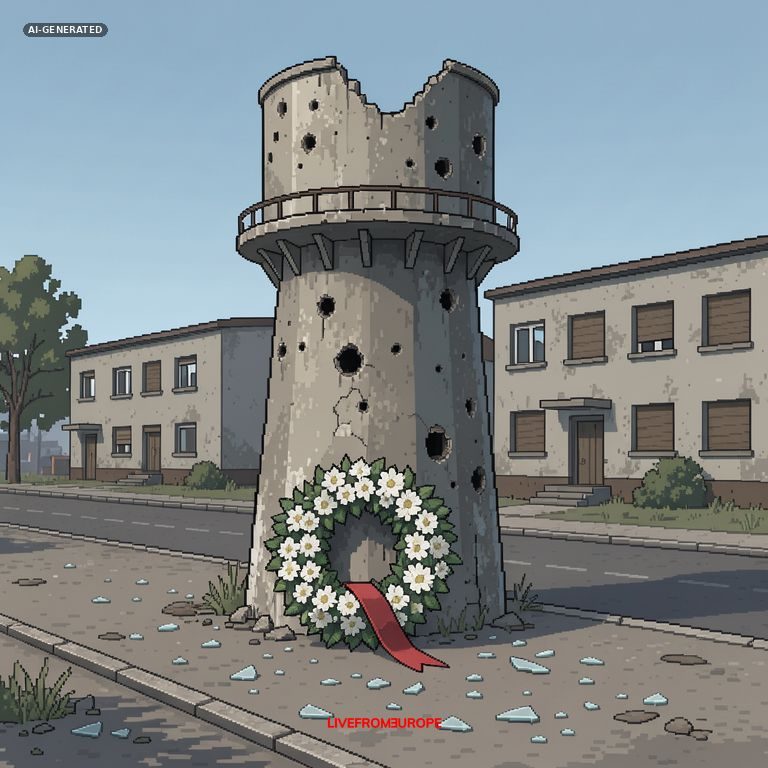
The measure, proposed by 17 MEPs including all 12 from Croatia and backed by five parliamentary groups, honors the victims of the 1991 siege and condemns the glorification of war criminals. [2] It urges Serbia to open war archives to clarify the fate of the missing. [1]
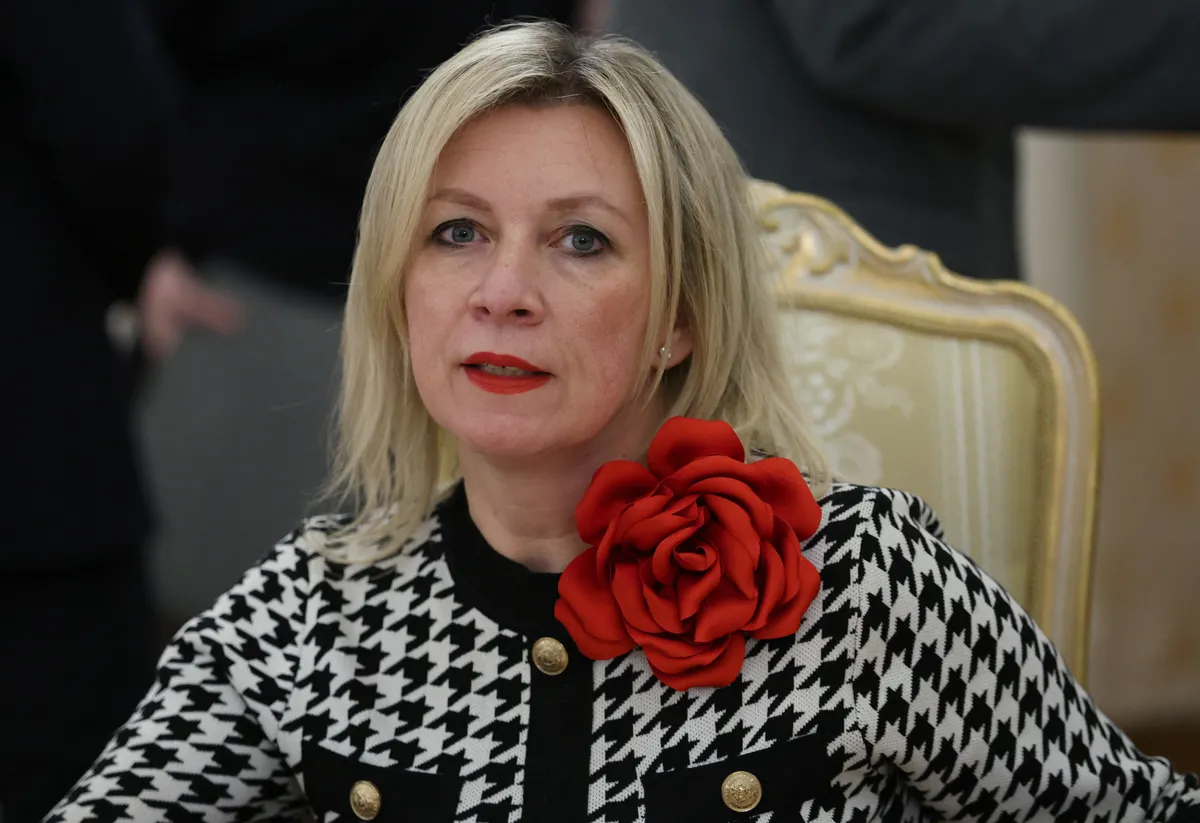
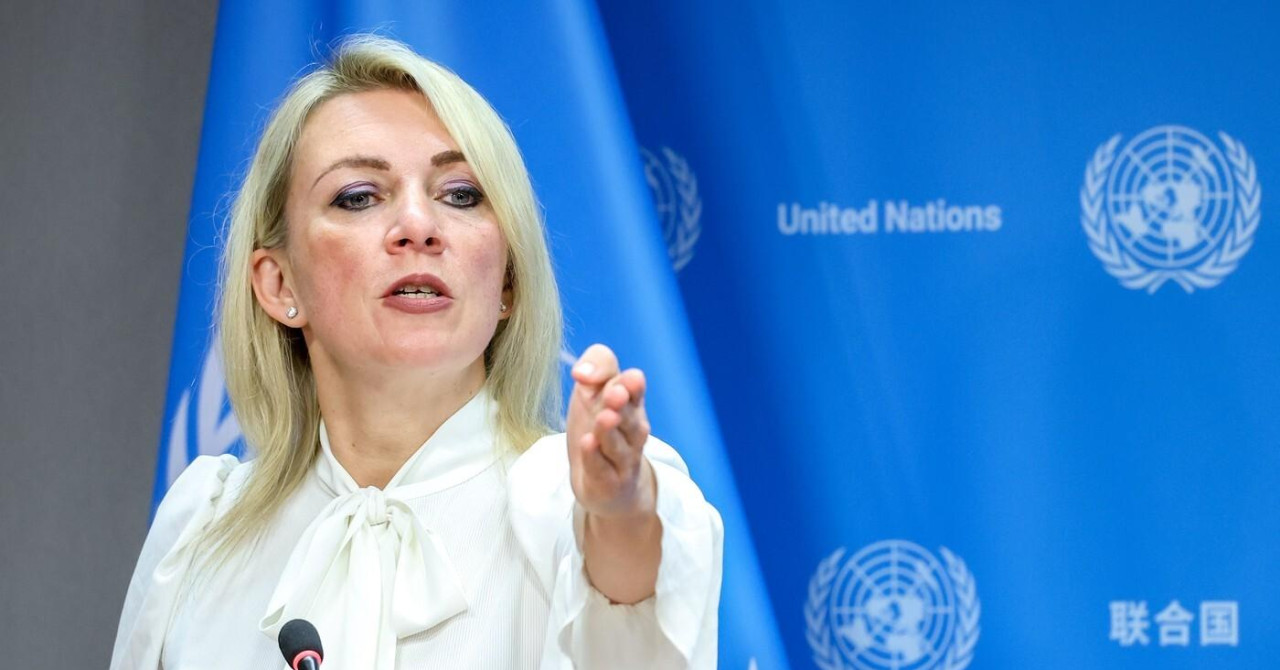
Russian Foreign Ministry spokeswoman Maria Zakharova called the text "another attempt at crude falsification of history." [3] She cited around 1,500 Serbian civilians killed and more than 250,000 displaced during Croatian military operations Bljesak and Oluja in 1995. [2]
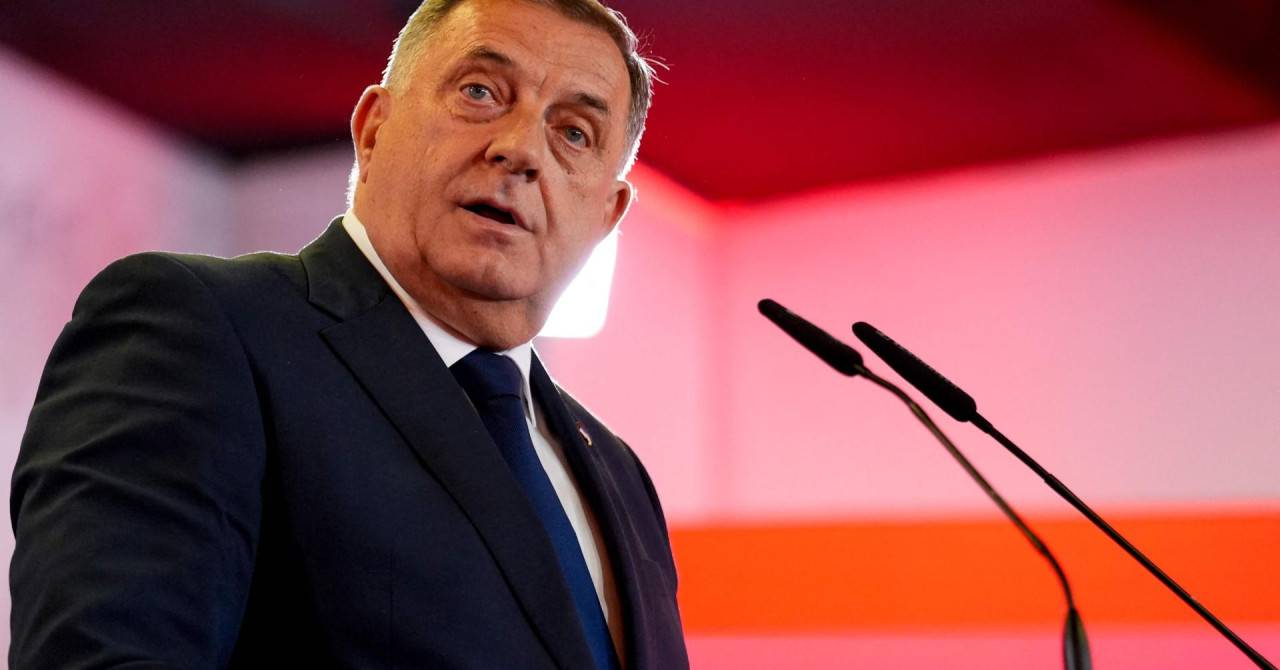
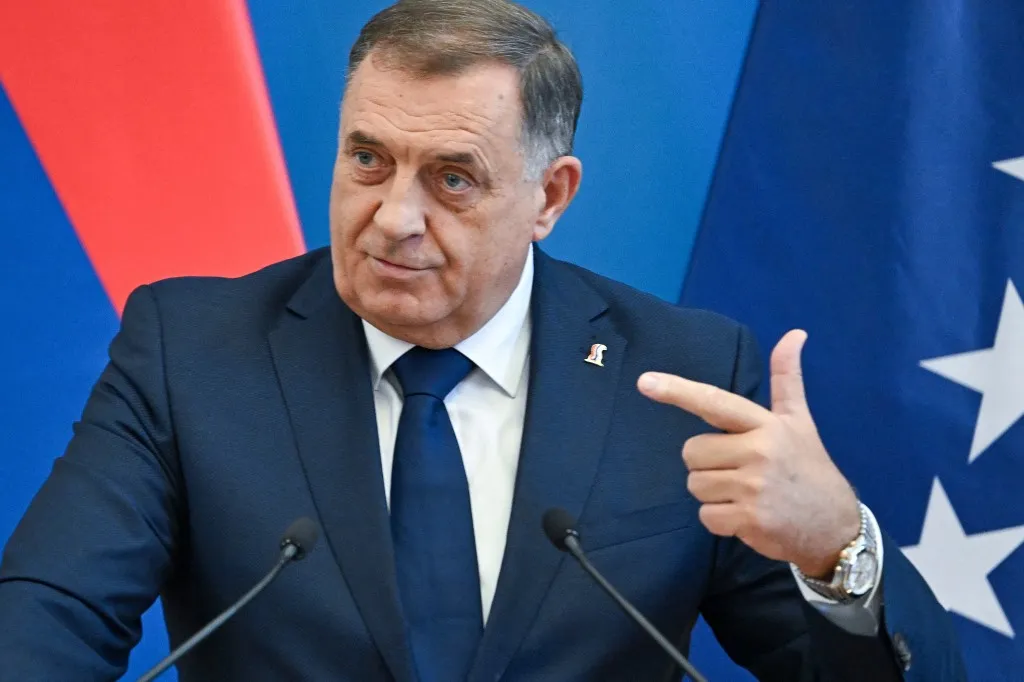
Milorad Dodik, leader of the ruling SNSD party in Bosnia's Republika Srpska, wrote on X that the resolution showed "the full force of cynicism and historical revisionism." [4] He called Croats and their "German mentors" promoters of "genocidal and anti-civilizational practices" and described the Vukovar crimes as "one war episode." [5] He accused MEPs of granting absolution to perpetrators of crimes against Serbian children in World War II and in operations Bljesak and Oluja. [4]
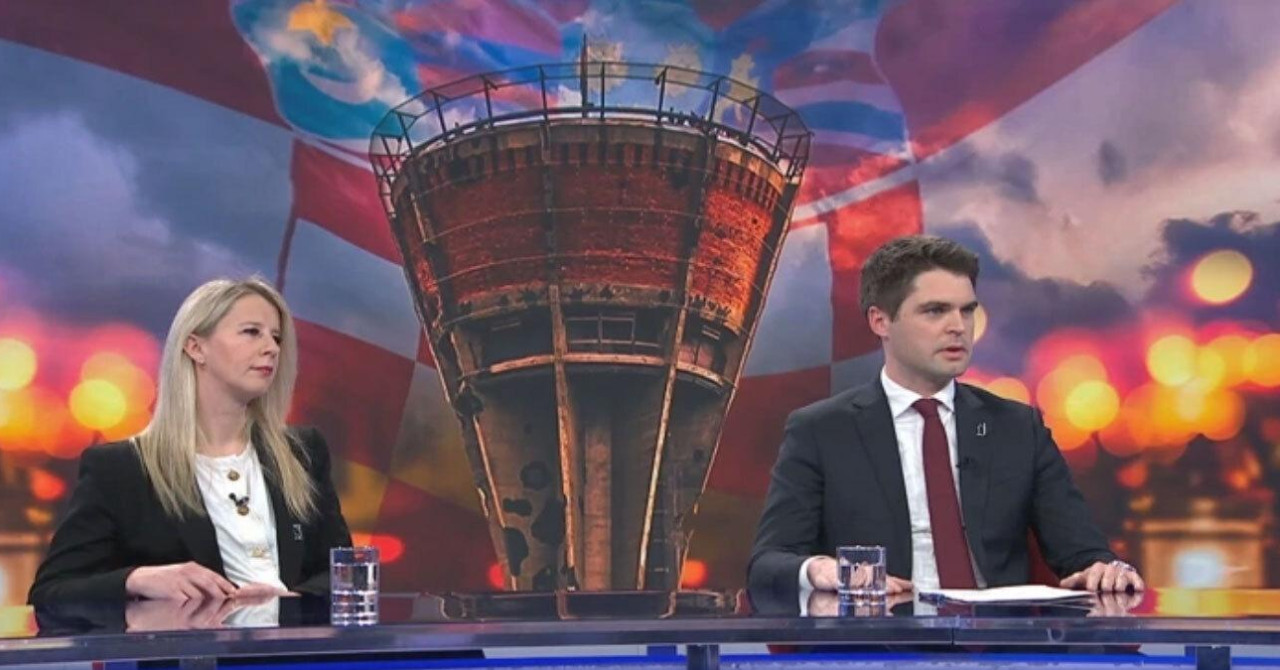
Croatian MEP Karlo Ressler of the HDZ party said the resolution was a cross-party initiative uniting all Croatian representatives. [6] He noted it explicitly cites the state funeral of convicted war criminal Ratko Mladić while also naming the Ovčara massacre and camps where Croatian defenders were held. [1] Ressler added that the resolution drew opposition from Serbia's student movement, which is taking power following recent elections. [6]
The resolution calls on Serbia to allow access to war archives, publish information on mass graves, and combat impunity for war crimes. [2] It urges authorities to facilitate the return of victims' remains and to adopt a long-promised law on missing persons. [3] Croatia is still searching for 1,725 people missing from the 1990s war, 320 of them from the Vukovar area. [1]
The text also mentions former Serbian president Boris Tadić's 2010 visit to Ovčara, where he apologized for the crimes. [1] Ana Filko, director of the Croatian veterans ministry's office for prisoners and missing persons, said Croatia has received no substantively useful information from Serbia. [1] She said officials identified specific engineering units and individuals in Serbia who could provide details on mass grave cover-ups but received no concrete response. [1]
Nataša Kandić, founder of the Humanitarian Law Fund, said Tadić's apology remains significant. [1] She added that she would have preferred a broader paragraph on shared responsibility in the resolution. [1]