
U.S. secures 100-year control of Venezuelan oil fields under Trump-backed deal

Story Timeline
4 days · 4 summary articles
The White House on Monday released the terms of a landmark oil deal with Venezuela, confirming U.S. majority control over 65 billion barrels of proven reserves through a 100-year concession granted to North American Blue Energy Partners (NABEP), a private firm led by Venezuelan tycoon Alejandro Betancourt.
Under the agreement, signed by U.S. Secretary of State Marco Rubio and Secretary of War Pete Hegseth, NABEP secures rights to 17 oil fields—nearly 20 percent of Venezuela’s reserves. The U.S. Department of War’s Office of Strategic Capital will hold a 35 percent stake in NABEP’s parent company, while the State Department gains the right to purchase 20 percent of output from all current and future NABEP fields at production cost, with first refusal on the remaining 80 percent. Washington also secures veto power over board appointments, with a majority of directors required to be U.S. citizens, and the agreement falls under U.S. law.
President Donald Trump called the reserves “unbelievable value that was sitting dormant” and stated the U.S. would “be taking all of that.” He added that major U.S. oil companies, including Exxon and Chevron, were preparing to participate. NABEP has committed to investing up to $100 billion in Venezuelan oil infrastructure and is expected to pay approximately $200 billion in royalties and taxes over 25 years. Many of the fields were previously operated by Russian or Chinese firms, a shift the White House framed as a reassertion of the Monroe Doctrine .
Venezuela’s interim President Delcy Rodríguez described the deal as “historic” and projected it would attract $100 billion in investments. She emphasized that Venezuela retains sovereignty over its resources, though analysts noted the legal and practical details remain unclear .
Betancourt, 46, a controversial figure who amassed wealth under former President Hugo Chávez, has faced money laundering investigations in the U.S., Spain, and Switzerland. His firm, Derwick Associates, secured lucrative power plant contracts under Chávez, and he was arrested twice in the U.K. in 2025 over extradition requests. Despite this, U.S. media have identified him as Trump’s key intermediary in the deal, with the Financial Times labeling him “Trump’s ‘viceroy’ in Venezuela” .
The agreement follows the U.S. capture and removal of former Venezuelan President Nicolás Maduro in January, after which Washington installed Rodríguez as interim leader and restored diplomatic ties. Analysts warn the deal could destabilize Rodríguez’s government if perceived as U.S. exploitation of Venezuelan resources, while legal and political risks may deter long-term private investment .
Follow us for live European news
Articles

Épülhet olajból banánköztársaság? Venezuelában most kiderül Nyolc hónappal az ország diktátorának elrablása után Trumpék megszerezték a venezuelai olajkincs jó részét. Az amerikai és a venezuelai kleptokráciák haszonélvezőin kívül ez senkinek nem tetszik, ráadásul a terv megvalósíthatóságával is vannak gondok.
444.hu · about 2 hours ago
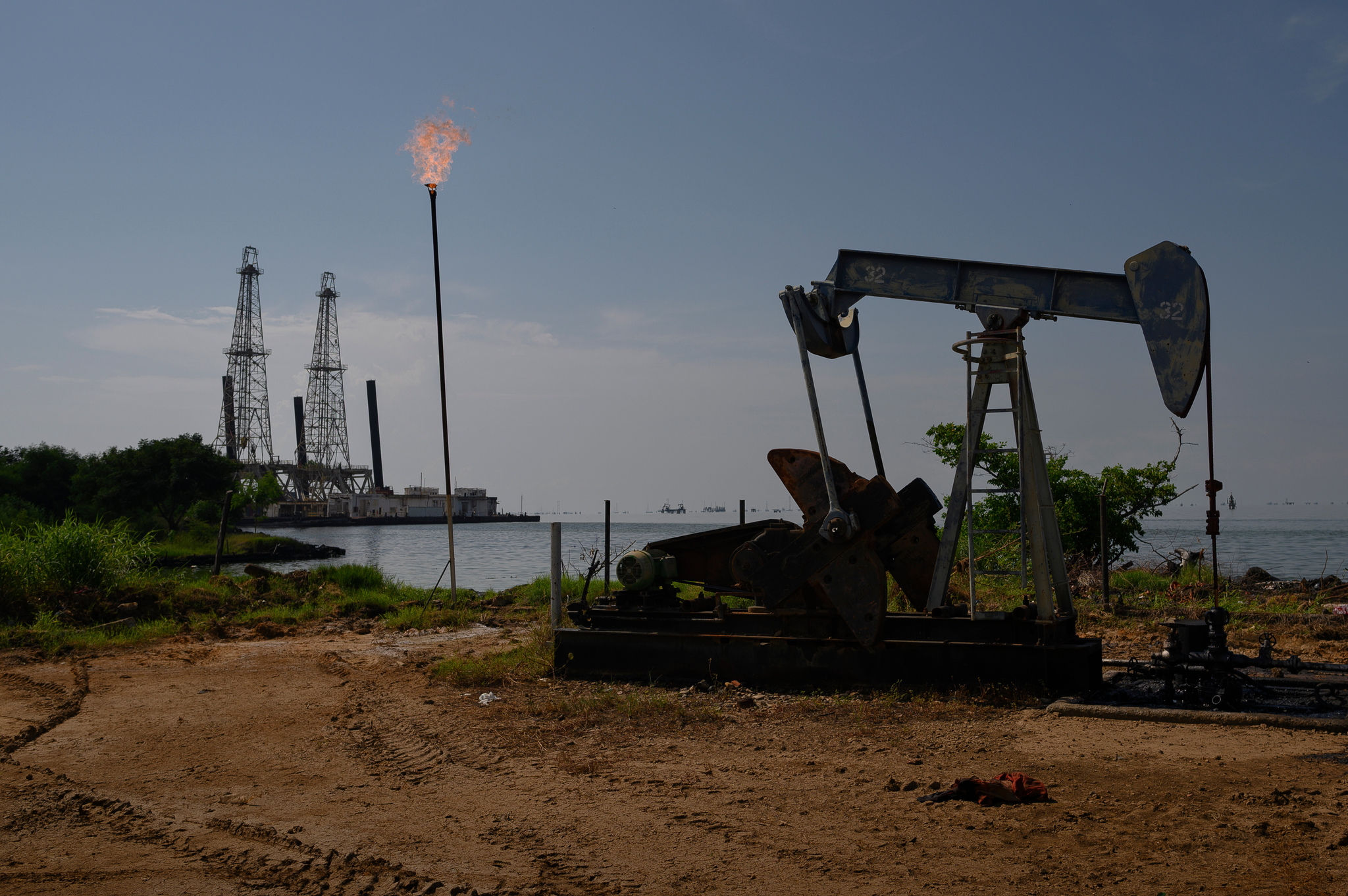
¿Puede el acuerdo de 65.000 millones de barriles de Trump reactivar la industria petrolera de Venezuela? Los analistas advierten que el acuerdo podría no lograr atraer la inversión de grupos estadounidenses, pero sí desestabilizar a la presidenta interina del país. Leer
expansion · about 2 hours ago
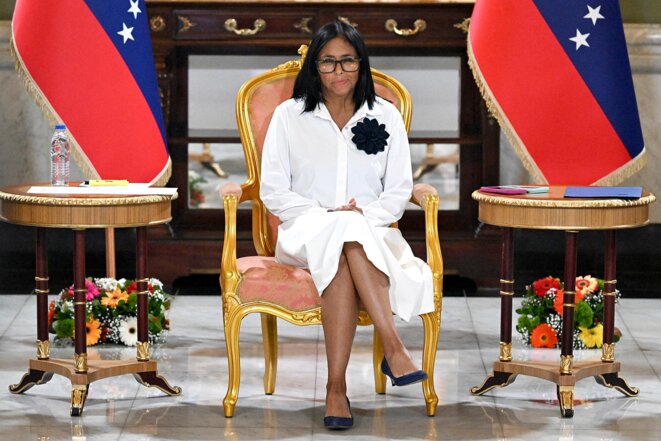
Le Venezuela soumet son pétrole au diktat trumpiste Une transaction «historique» annoncée par Donald Trump le 28 août a créé la stupeur. Washington met la main sur 20 des réserves dor noir de Caracas. Des questions se posent sur la légalité de la «prise de contrôle» de dix-sept gisements, et sur le destin réel de la manne attendue.
mediapart · about 2 hours ago
HS-analyysi | Peräti satavuotinen öljydiili paljastaa amerikkalaisten häikäilemättömyyden Venezuelan kyykyttäminen on sujunut Trumpilta kuin tanssi, mutta valtavan mittakaavan öljydiilissä on sudenkuoppia, kirjoittaa ulkomaantoimittaja Tommi Hannula.
helsingin sanomat · about 2 hours ago
Alejandro Betancourt, the controversial Venezuelan oil tycoon Trump is banking on US President Donald Trump on Friday announced "the biggest oil deal in world history" – a new deal with Venezuela for "65 billion barrels of oil". Washington is rumoured to be working in partnership with controversial Venezuelan oil tycoon Alejandro Betancourt, who made his fortune under the Chavista regime.
france24 · about 2 hours ago
Who is Alejandro Betancourt, ex-Chavez ally now Trumps Venezuela oil man? The controversial tycoon will lead the joint oil venture as the Trump administration seeks to reshape energy markets.
aljazeera · about 2 hours ago

EUA concedem petróleo da Venezuela por 100 anos Os 17 campos petrolíferos contêm, aproximadamente, 65 mil milhões de barris de crude
observador · about 2 hours ago
Verfahren gegen Ölunternehmer – Knickte die Schweizer Justiz vor den USA ein? Die Schweiz zog ein Auslieferungsgesuch gegen einen venezolanischen Ölunternehmer zurück – nach Gesprächen mit den USA.
srf.ch · about 2 hours ago
Венесуэла передаст американской компании нефтяные месторождения, которые ранее разрабатывали Россия и Китай Американская компания North American Blue Energy Partners получит под контроль ряд нефтяных месторождений в Венесуэле, которыми ранее управляли несколько китайских и одна российская компания. Об этом агентству Reuters рассказали два американских чиновника.
meduza · about 2 hours ago
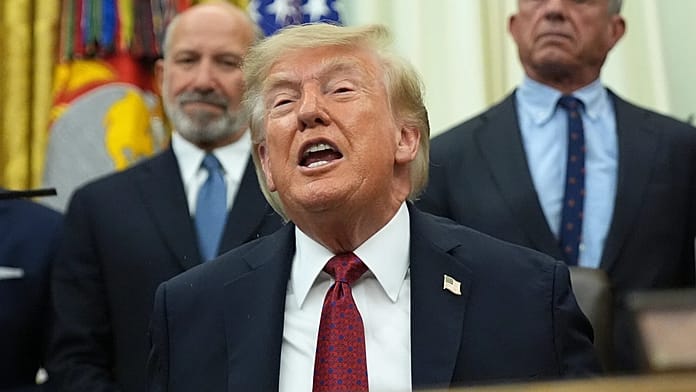
Trump vows US will take all of Venezuelas oil as deal details emerge The White House has published the terms of its Venezuela oil deal, naming the private company at its centre and confirming Washingtons majority control of more than 65 billion barrels, as President Trump vowed the US would be taking "all" of it.
euronews · about 2 hours ago

Venezuelas Maduro to test US courts reluctance to apply international law in criminal cases reut.rs/4gCGw0M
bluesky_Reuters · about 2 hours ago
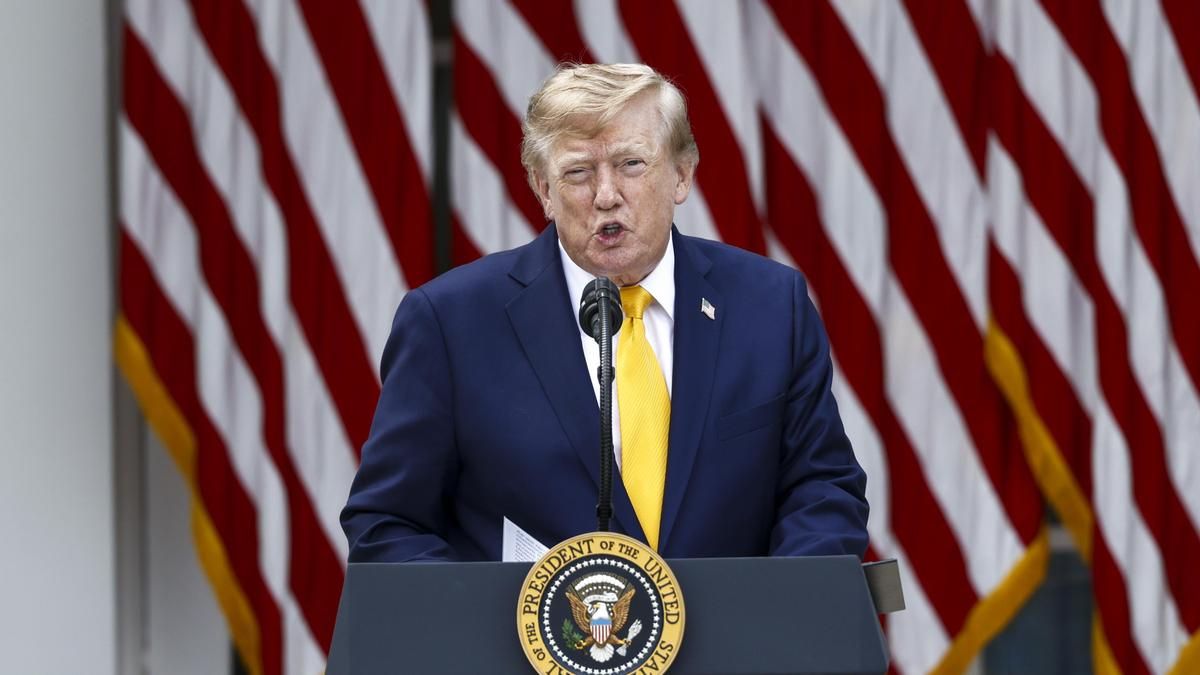
EEUU confirma la elección del polémico empresario Alejandro Betancourt para su acuerdo petrolero en Venezuela Washington confirma la concesión por 100 años otorgada a la empresa privada North American Blue Energy Partners (NABEP) para la explotación de parte del petróleo venezolanoDel impacto para Repsol al papel de un oscuro magnate: la derivada española del acuerdo de Trump en Venezuela La Casa Blanca confirmó la concesión por 100 años otorgada a la empresa privada North American Blue Energy Partners (NABEP), del polémico empresario venezolano Alejandro Betancourt, para explotar parte del petróleo de Venezuela, y ofreció nuevos detalles sobre el acuerdo anunciado la semana pasada. Según el pacto entre la Administración de Donald Trump y el Gobierno de la presidenta interina venezolana, Delcy Rodríguez, NABEP tendrá derechos durante un siglo para perforar 17 campos petroleros que albergan unos 65.000 millones de barriles de crudo, equivalentes a cerca de una quinta parte de las reservas de Venezuela. La Casa Blanca ha confirmado que el Departamento de Defensa de Estados Unidos tendrá una participación del 35 en la empresa matriz de NABEP. Por su parte, el Departamento de Estado dispondrá del derecho a adquirir, a precio de coste, el 20 del petróleo extraído para abastecer las reservas estratégicas estadounidenses. NABEP se presenta como la segunda mayor productora de crudo de Venezuela, con una producción superior a los 200.000 barriles diarios. Betancourt ha sido investigado en España, Suiza y Estados Unidos por presuntos delitos de blanqueo de capitales y fraude fiscal en operaciones relacionadas con la petrolera estatal venezolana Pdvsa, acusaciones que él rechaza. La compañía anunció que, con el nuevo acuerdo, busca elevar su producción hasta superar el millón de barriles diarios. La Administración de Trump, que la semana pasada calificó el entendimiento como un acuerdo histórico, sostiene que este permitirá aumentar la producción petrolera y reducir el precio de la gasolina en Estados Unidos, encarecida por la guerra con Irán, un factor que amenaza con pasar factura a los republicanos en las elecciones legislativas de noviembre. Según la Casa Blanca, NABEP invertirá cerca de 100.000 millones de dólares para recuperar la deteriorada infraestructura petrolera venezolana y pagará, durante los próximos 25 años, unos 200.000 millones de dólares en impuestos a las autoridades venezolanas. Además, el Gobierno estadounidense tendrá derecho de veto sobre los nombramientos en el consejo de administración de NABEP. Desde que Estados Unidos capturó y depuso en enero pasado al presidente venezolano Nicolás Maduro, Washington ha tutelado al Gobierno encabezado ahora por Rodríguez y ha restablecido las relaciones diplomáticas con Caracas. El acuerdo petrolero ha despertado suspicacias entre sectores que consideran que la Administración de Trump no está verdaderamente interesada en impulsar una transición democrática en Venezuela, pese a que ese fue uno de los argumentos esgrimidos para justificar la captura de Maduro.
eldiario.es · about 2 hours ago
SUA își asigură accesul la petrolul Venezuelei. O companie americană va prelua zăcăminte deținute anterior de China și Rusia O companie petrolieră americană va prelua controlul operațional asupra unor câmpuri petroliere din Venezuela exploatate anterior de companii chineze și ruse, în cadrul unui amplu acord privind producția de petrol anunțat de președintele Donald Trump. Potrivit unor oficiali americani citați de Reuters, North American Blue Energy Partners (NABEP) va prelua 14 proiecte atribuite recent de guvernul venezuelean, iar Washingtonul va avea drepturi importante asupra companiei și asupra producției acesteia.
digi24 · about 2 hours ago

Trump fegyverrel hódított az USA-nak 17 olajmezőt száz évre Mióta Nicolás Maduro elnököt katonai akcióval eltávolították, Venezuela szorosan együttműködik az USA-val. A legújabb megállapodás 17 olajmező 100 évi termelésére biztosít nyomott árú és elővásárlási jogot az USA-nak.
hvg.hu · about 2 hours ago

🔴 BREAKINGTrump Announces Major Oil Deal with VenezuelaUS President Donald Trump announced a historic oil agreement with Venezuela for 65 billion barrels. The deal reportedly involves partnership with controversial Venezuelan tycoon Alejandro Betancourt, who accumulated wealth under the Chavista regime, marking a...📰 #OilEnergy #Geopolitics #GeoWire
mastodon bot · about 2 hours ago