
The International Monetary Fund raised its 2026 global growth forecast to 3.1% on Tuesday, citing resilient economies and a surge in artificial intelligence investment that has offset some of the drag from soaring energy prices tied to Middle East conflicts.
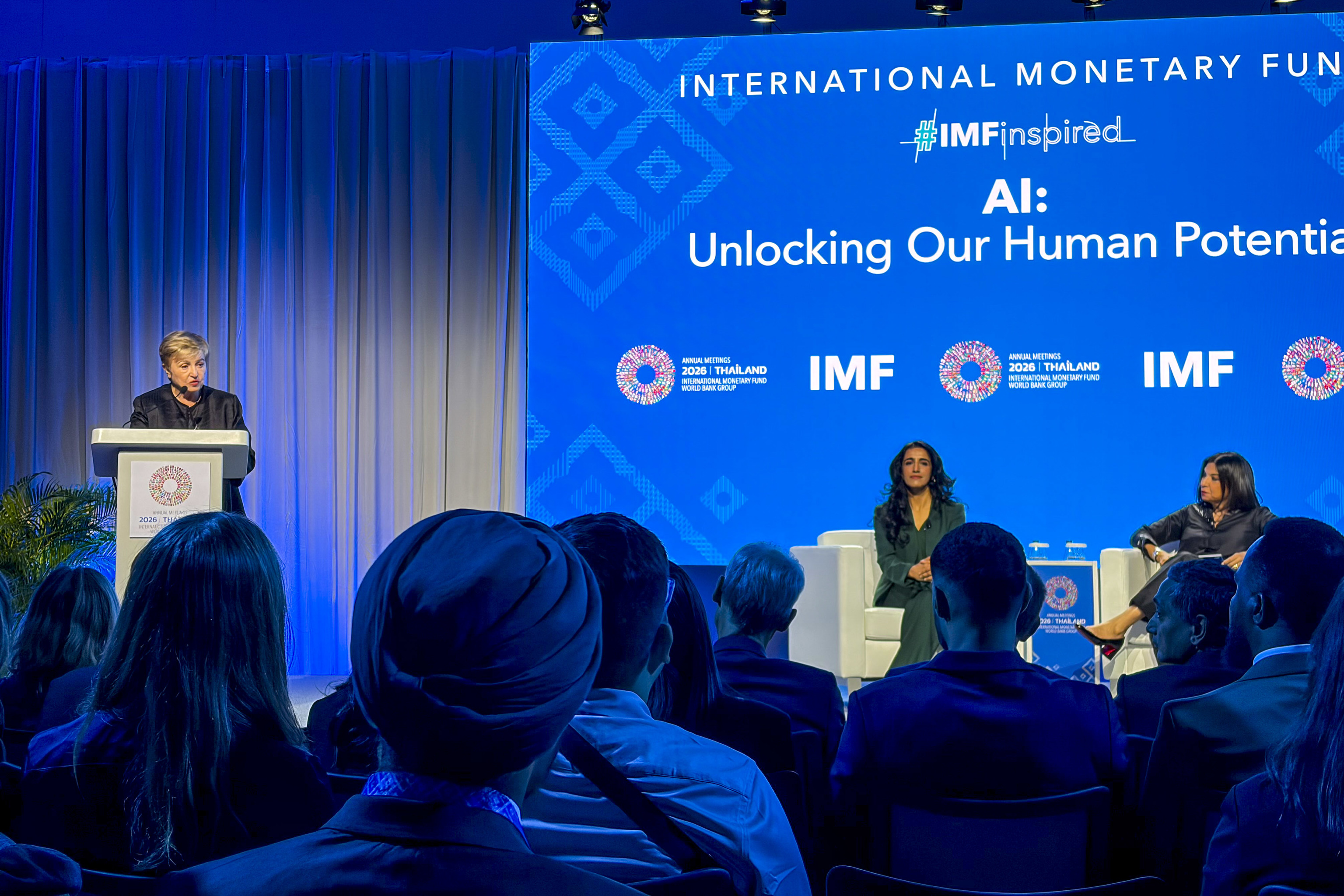
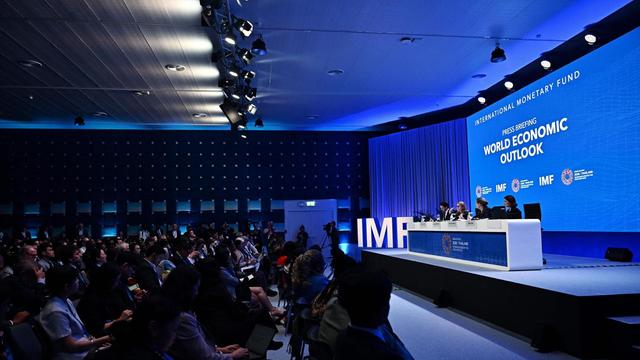
The upgrade, from a July projection of 3.0%, came as the IMF released its latest *World Economic Outlook* during the fund’s annual meetings with the World Bank in Bangkok. The report now expects global growth to slow from 3.5% in 2025 but rebound to 3.4% in 2027. Inflation is forecast at 4.7% this year, easing to 4.1% in 2027, with the assumption that oil and gas shipments through the Strait of Hormuz will resume by March and return to pre-war levels by October.
Silvana Tenreyro, the IMF’s director of research, told reporters that “the global economy has been resilient, but that resilience is reaching its limits,” warning that fiscal buffers and energy reserves are narrowing rapidly. The IMF noted that AI-driven demand, concentrated heavily in the U.S. and China, has provided a critical boost, though its benefits are unevenly distributed. Growth is now concentrated in just 32 countries, accounting for 95% of global expansion, down from 54 countries in April.
The report also highlighted risks from high debt levels and potential market corrections linked to AI exuberance, as global oil reserves are being drawn down by 2.7 million barrels per day, nearing thresholds that could trigger sharp price spikes. Advanced economies are projected to grow 2.1% this year, with the U.S. holding steady at 2.3% in both 2026 and 2027, while the eurozone lags at 1.1% due to persistent energy costs and weak consumer confidence.