Loading…
 Saturday, September 26Saturday, September 26
4 months · 8 summary articles
The Swiss National Council has rejected a proposal to increase wage contributions to fund a 13th pension payment under the country’s old-age and survivors’ insurance (AHV) system, leaving lawmakers scrambling for alternatives just days before a critical vote. In a heated debate aired on SRF’s *Arena* program on Friday, legislators ruled out raising payroll taxes but left open the possibility of hiking value-added tax (VAT) to cover the shortfall, a move that would require a constitutional amendment and a national referendum.
The decision comes as Switzerland faces mounting pressure to shore up its pension system amid demographic shifts and rising costs. The 13th AHV pension, a politically sensitive proposal championed by left-wing parties, was intended to provide retirees with an additional monthly payment equivalent to one month’s pension. The National Council’s rejection of higher wage contributions—opposed by business groups and centrist parties—has now shifted the focus to indirect taxation, with VAT increases emerging as the most viable compromise.
Swiss Finance Minister Karin Keller-Sutter has indicated that a VAT hike of up to 0.4 percentage points could generate the necessary CHF 4 billion annually to fund the measure, though such a move would require a two-thirds majority in parliament and voter approval. The government had previously floated the idea of a 0.3% increase, but political resistance has forced a rethink. A final decision is expected before the summer recess, with a parliamentary vote scheduled for early July.
The impasse reflects broader tensions in Swiss fiscal policy, where direct taxes on wages are politically toxic while indirect taxes like VAT face less resistance but disproportionately affect lower-income households. Critics argue that a VAT increase would burden families already grappling with high living costs, while supporters counter that it is the only politically feasible way to secure the 13th pension without destabilizing the AHV’s long-term finances.
Meanwhile, Switzerland’s pension debate mirrors similar struggles across Europe, where aging populations are straining social safety nets. In neighboring Germany, a recent survey by *Tagesspiegel* found that a majority of drivers support extending fuel tax relief beyond June 30, when a temporary reduction in mineral oil tax is set to expire. The measure, introduced in 2022 to cushion motorists from high energy prices, has cost the federal budget an estimated €12 billion annually, raising questions about its sustainability.
Back in Switzerland, the National Council’s rejection of wage contribution hikes leaves the 13th AHV pension in limbo. With no clear alternative in sight, the government is racing to finalize a package that can secure parliamentary and public support before the autumn session. For now, retirees and workers alike remain in the dark about whether the long-promised extra payment will ever materialize.
Follow us for live European news

Cum se calculează media de admitere la liceu după Evaluarea Națională 2026. În ce situații contează notele din clasele V-VIII Elevii care finalizează clasa a VIII-a și se pregătesc pentru înscrierea la liceu în anul școlar 2026-2027 trebuie să știe că repartizarea computerizată se face exclusiv pe baza rezultatelor obținute la Evaluarea Națională.
digi24 · 3 months ago
Câți bani primesc de la stat românii care rămân fără loc de muncă în 2026. Cum se calculează indemnizația de șomaj Persoanele care rămân fără loc de muncă pot beneficia de indemnizație de șomaj, una dintre principalele forme de sprijin acordate de stat. În 2026, cuantumul ajutorului este calculat în funcție de stagiul de cotizare și de veniturile realizate anterior.
digi24 · 3 months ago
La giungla delle rottamazioni: tutte le novità per il contribuente Il decreto Accise interviene nuovamente sulle misure di definizione agevolata: entro il 30 giugno dovrà essere convertito in legge con lapprovazione del Senato
corriere · 3 months ago
Childrens camp VAT relief pushed to July, leaving families paying more A long-awaited VAT exemption for childrens camps is finally set to take effect, but not until July, leaving families still paying more for summer camps in June.
news.err · 3 months ago
Οι πληρωμές από e-ΕΦΚΑ και ΔΥΠΑ έως τις 26 Ιουνίου, ποιοι είναι οι δικαιούχοι Τι πληρώνεται και πότε
protothema · 3 months ago

Franse leerlingen krijgen vanaf 2027 een uur per week les over AI
de morgen · 3 months ago
Λήγει τη Δευτέρα 22 Ιουνίου η προθεσμία για τον καθαρισμό οικοπέδων - Από την Τρίτη ξεκινούν οι έλεγχοι
protothema · 3 months ago
Τα επτά μέτρα άμεσης εφαρμογής για την στήριξη των πολιτών: Από τα 150 ευρώ για κάθε παιδί έως τις 72 δόσεις
protothema · 3 months ago
Preise: Umfrage: Mehrheit für weitere Entlastungen nach Tankrabatt Die befristete Spritsteuersenkung für Autofahrerinnen und Autofahrer gegen hohe Preise an den Zapfsäulen läuft zum Monatsende aus. Und was dann? Laut einer Umfrage gibt es Favoriten.
tagesspiegel · 3 months ago

New short-term let rules: how likely are they to work? Observers say enforcement is required to make new rules work and more homes available to long-term renters
irish times · 3 months ago

Housing body given €10.5m a year by State found non-compliant with rules Circle owns or manages more than 2,600 homes in 16 local authority areas
irish times · 3 months ago
Evaluarea Națională 2026: Ce faci dacă ai greșit un răspuns la română sau matematică. Regula care îi ajută pe elevi să nu piardă puncte Absolvenții clasei a VIII-a care susțin Evaluarea Națională 2026 au posibilitatea să își corecteze răspunsurile direct pe foaia de examen, fără riscul ca modificările să fie considerate semne distinctive.
digi24 · 3 months ago

00h. Prestação Social Única. Governo estima poupar 3,2 ME A secretária de Estado da Segurança Social explica que a poupança será conseguida através da substituição de 13 sistemas informáticos distintos por um único sistema de gestão dos apoios sociais.
observador · 3 months ago

Housing benefit: According to the report, the federal government is planning major cuts #DE #Deutsch #Deutschsprechenden #Europe
mastodon bot · 3 months ago
Власти заявили, что семейная ипотека должна стимулировать рождаемость. Ставку и лимиты по ней планируют привязать к количеству детей
meduza · 3 months ago
Kaupunkisuunnittelu | Asukaspysäköinti ei saa kadota liikenneremontissa Mitäpä jos kaupunki laajan liikenneremontin yhteydessä huomioisi myös autoilijan näkökulman yhtenä lähtökohtana?
helsingin sanomat · 3 months ago
1h. Governo diz que a PSU vai poupar 3 milhões por ano O novo sistema visa promover a autonomia dos beneficiários de apoios. Ainda, Marrocos venceu a Escócia por uma bola a zero.
observador · 3 months ago
«Arena» zur Altersvorsorge – Höhere Mehrwertsteuer für die 13. AHV-Rente – ein Kompromiss? In einem Abstimmungskrimi lehnt der Nationalrat die Erhöhung der Lohnbeiträge für die Finanzierung der 13. AHV-Rente ab.
srf.ch · 3 months ago
Vrácení zboží jedním klikem? EU mění pravidla pro e-shopy, odstoupení od smlouvy bude snazší Evropská unie schválila nová pravidla pro internetové obchody, která mají spotřebitelům usnadnit odstoupení od smlouvy a vrácení zboží do 14 dnů. E-shopy budou muset nově nabídnout viditelné tlačítko pro zrušení objednávky, což má omezit dosavadní obstrukce. V Česku ale změny zatím neplatí, protože příslušná legislativa dosud neprošla Poslaneckou sněmovnou, komentuje koordinátor služby VašeStížnosti.cz ve společnosti dTest Martin Pitron.
irozhlas.cz · 3 months ago

"Mi hija tiene autismo severo y trastorno grave de conducta. Si el Gobierno me quita la ayuda nos deja al borde del precipicio": la lucha de 18.000 familias para poder cuidar a sus hijos enfermos El Ministerio de Seguridad Social prepara un real decreto que endurece los requisitos para cobrar la prestación CUME, según denuncian los afectados Leer
elmundo · 3 months ago
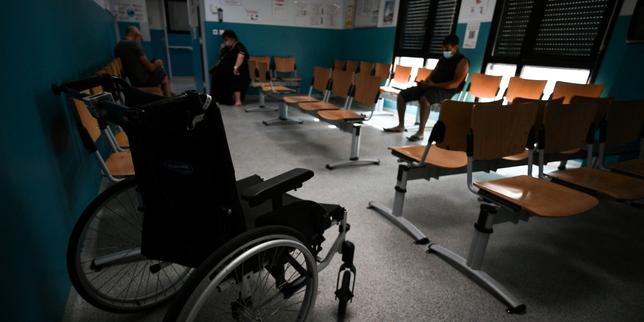
Financement des fauteuils roulants : six mois après son entrée en vigueur, une réforme « enclenchée » mais avec encore des « dysfonctionnements » Selon le ministère délégué au handicap, environ 90 000 personnes ont bénéficié dun remboursement intégral de fauteuil depuis la mise en place de la réforme, le 1ᵉʳ décembre 2025. Mais des problèmes persistants ont été remontés lors dun comité de suivi organisé jeudi 18 juin.
le monde · 3 months ago

Renda acessível em Lisboa para maiores de 60 anos A proposta tem aprovação garantida
observador · 3 months ago