Loading…
 Saturday, September 26Saturday, September 26
4 months · 24 summary articles
The Hungarian government’s plan to introduce a wealth tax targeting the country’s 100 richest individuals faces scrutiny after the GKI economic research institute calculated that even seizing their entire combined fortunes would yield only a fraction of the projected 300–600 billion forints annually. On Wednesday, GKI published an analysis questioning whether the cabinet’s campaign pledge to raise such sums through wealth taxation is financially feasible, given the concentrated but limited assets of Hungary’s ultra-high-net-worth households .
The study, released the same day, found that the total wealth of Hungary’s 100 richest individuals—estimated at roughly 6,000 billion forints—would cover the lower end of the government’s revenue target for just a single year. Repeated levies of this magnitude would quickly exhaust the pool of taxable assets, raising doubts about the sustainability of the policy. Critics argue the proposal risks capital flight and disincentivizes investment, while supporters insist it targets systemic inequality. The GKI’s findings come amid broader debates over fiscal policy in Budapest, where the government has also floated extending an energy-sector windfall tax to include companies like MOL, expecting an additional 6.25 billion forints this year and 15 billion in 2027 .
Meanwhile, the cabinet is moving ahead with measures to curb soaring veterinary costs, announcing plans to ban “perverse financial incentives” that drive up prices for pet owners. The government stopped short of imposing maximum tariffs, opting instead for greater transparency in billing practices . The move reflects a broader trend across Europe, where policymakers are grappling with the affordability of essential services amid inflationary pressures.
In Switzerland, the House of Representatives on Wednesday approved a 0.4-point increase in VAT to fund the 13th annual pension payment, rejecting calls to also raise employee social security contributions. The decision, passed by 104 votes to 87, delays the financial burden onto consumers while deferring implementation until 2028 . Interior Minister Elisabeth Baume-Schneider noted that two unfinanced pension payments—totaling CHF 9 billion—would still be disbursed before the tax hike takes effect.
Across the continent, debates over wealth redistribution and fiscal sustainability show no signs of abating. In Germany, Interior Minister Alexander Dobrindt has reignited criticism of the Bürgergeld welfare system, arguing that benefit levels are too high and calling for cuts to ease the strain on public finances . The move has drawn sharp rebukes from opposition parties, including the Greens, who accuse the government of shielding billionaires while targeting the most vulnerable.
Follow us for live European news

Pensionisammas kodulaenu sissemaksesse? Võimuliit tahab, Ligi ja pangad on skeptilised Reformierakonna ja Eesti 200 koalitsioonilepingus olev punkt lubada teises sambas olevaid sääste kodulaenu tagatisena kasutada on vaikselt sisu saamas. Pankade ja rahandusminister Jürgen Ligi kommentaaridest samas erilist entusiasmi ei paista.
postimees · 3 months ago
Nach Parlamentsentscheid – 13. AHV-Rente nur teilfinanziert: Wie geht es weiter? Um die 13. AHV-Rente zu finanzieren, will das Parlament die Mehrwertsteuer erhöhen, Lohnbeiträge aber nicht. Und nun?
srf.ch · 3 months ago
Kabinet wil torenhoge kosten bij dierenarts beteugelen Het kabinet wil de torenhoge prijzen bij dierenartsen beteugelen door verkeerde financiële prikkels te verbieden. Er komen nog geen maximumtarieven.
nu.nl · 3 months ago
Belastingdienst schat inkomens veel hoger in als mensen geen aangifte doen Wie zelf geen belastingaangifte doet over het inkomen, is overgeleverd aan de schattingen van de Belastingdienst. Die zet vaak te hoog in, waardoor mensen soms duizenden euros te veel aan belasting betalen, blijkt uit onderzoek van de Inspectie belastingen, toeslagen en douane.
nu.nl · 3 months ago

„Friedrich Merz wirft sich schützend vor die Milliardäre des Landes, sagt der Grüne Um die Finanzierung der Sozialversicherung zu sichern, solle Steuergeld verwendet werden, fordert eine Mehrheit laut aktueller Umfrage. Man dürfe künftigen Generationen keine Schulden hinterlassen, sagt die Union. Grüne und Linke wollen Reiche stärker zur Kasse bitten.
welt.de · 3 months ago
Dobrindt hält Bürgergeld für zu hoch: Ist beim Regelsatz tatsächlich Luft nach unten? Innenminister Alexander Dobrindt findet die Regelsätze im Bürgergeld zu hoch und verweist auf die immensen Kosten für den Bund. Was hinter seinem Vorstoß steckt und warum der zu einem heiklen Zeitpunkt kommt.
tagesspiegel · 3 months ago
Reichtum: „Millionäre in Deutschland haben 60 Mal mehr Vermögen als Milliardäre Der langjährige Stiftungsfunktionär Felix Oldenburg hat mit Vermögenden gesprochen. Hier erklärt er, was Milliardäre antreibt – und wie Vermögensverwalter ihnen Steuersparmodelle bauen.
handelsblatt · 3 months ago
Geld: Der Millionenerbe, der die Millionen nicht will Kai Viehof hat den Großteil seines Erbes ausgeschlagen, auch vom Rest will der Enkel des Allkauf-Gründers das meiste weggeben. Über einen Mann, dessen Beruf es ist, sinnvoll Geld loszuwerden.
handelsblatt · 3 months ago
Cartele SIM pe bază de buletin, anunță Guvernul de la Chișinău. Motivele din spatele deciziei Executivului din Republica Moldova Cartelele SIM și eSIM preplătite vor putea fi activate doar prin confirmarea identității în baza unui act de identitate. Decizia a fost aprobată, astăzi, de Guvernul de la Chișinău în scopul prevenirii fraudelor, escrocheriilor și altor abuzuri comise prin utilizarea anonimă a numerelor de telefon. În același timp, măsura nu limitează accesul cetățenilor la servicii de telefonie mobilă - vânzarea cartelelor va rămâne în continuare liberă.
digi24 · 3 months ago
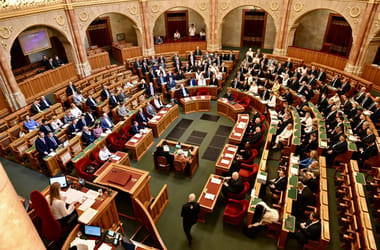
Lannert Juditnak 100 millió forintnál is több értékpapírja van, Ruff Bálintnak pedig nemesi oklevele - kijöttek a miniszteri vagyonnyilatkozatok Közzétették a kormany.hu-n a nem országgyűlési képviselő kormánytagok vagyonnyilatkozatát szerdán.
hvg.hu · 3 months ago

Tényleg beszedhet a kormány annyi vagyonadót, mint amennyivel kampányolt? A 100 leggazdagabb magyar vagyonából kiindulva számolt utána a GKI, mire volna szükség ahhoz, hogy a legvagyonosabbak megadóztatásából összejöjjön évente 300-600 milliárd forint.
hvg.hu · 3 months ago
Leitão Amaro defende necessidade de reestruturação mais ampla na RTP Governo quer reestruturar a RTP e afasta o aumento do CAV [Contribuição para o Audiovisual], que corresponde à taxa de audiovisual paga pelos contribuintes.
publico · 3 months ago
Kela-kyydit | Lindtman esitti säästökeinon, josta ei ole mitään tutkimustietoa Kelan matkakorvausten siirtäminen hyvinvointialueiden vastuulle ei välttämättä toisi säästöjä valtiolle, arvioidaan ministeriöstä ja Kelasta.
helsingin sanomat · 3 months ago
Poissaolokohu | Ei ole hyvä lopputulos – Eduskunnan ohjeet Sofia Virralle eivät menneet perille Hallintojohtaja Pertti Rauhion mukaan palkkion palauttaminen Valtiokonttorin kautta on teknisesti ja juridisesti hankalaa. Pääministerin mukaan ohjelmiin osallistumista olisi syytä käsitellä eduskunnassa.
helsingin sanomat · 3 months ago
De hoeveelheid afgedankt textiel neemt alleen maar toe. Sector vraagt kabinet om hulp bij verduurzaming Het kabinet moet meer regie nemen om de vervuilende textielsector circulair te maken. Dat schrijft de sector in een gezamenlijk rapport. Een prijsprikkel zou kunnen helpen, maar daar zitten kledingmerken dan weer niet op te wachten.
nrc · 3 months ago
Zal uitgerekend dit minderheidskabinet de stikstofcrisis oplossen? Het kabinet werkt aan een uitgebreid stikstofpakket dat Nederland na jaren weer van het slot moet halen. Het moet buitengewoon omzichtig opereren, want er moet steun worden gezocht in Den Haag en bij provincies én de regering wil nieuwe boerenprotesten voorkomen. Wie goed kijkt, ziet dat onvrede onder boeren al smeult.
nrc · 3 months ago

España ha asumido 14.400 millones de euros extra de déficit en 2024 y 2025 por sentencias judiciales, la mitad por pensionistas en mutualidades En los próximos años se tendrá que enfrentar a las devoluciones por el Impuesto de Hidrocarburos, "el riesgo fiscal más acuciante", según la AIReF Leer
elmundo · 3 months ago
Defizitziel laut Fiskalrat nicht zu erreichen Die Regierung dürfte ihr Ziel, das Budgetdefizit im Jahr 2028 auf drei Prozent des Bruttoinlandsprodukts (BIP) zu drücken, deutlich verfehlen. In seiner am Mittwoch präsentierten Frühjahrsprognose rechnet der Fiskalrat für 2028 mit einem Wert deutlich darüber. Die Folge wäre eine Verlängerung des EU-Defizitverfahrens. Laut Fiskalrat müssten für das Ziel in den kommenden zwei Jahren weitere 5,7 Milliarden Euro eingespart werden.
orf.at · 3 months ago

Bar, Karte – oder Handy?: So bezahlen die Deutschen Die Bundesbank beobachtet den Vormarsch des digitalen Bezahlens. Viele Deutsche wollen aber Scheine und Münzen nicht missen.
faz · 3 months ago
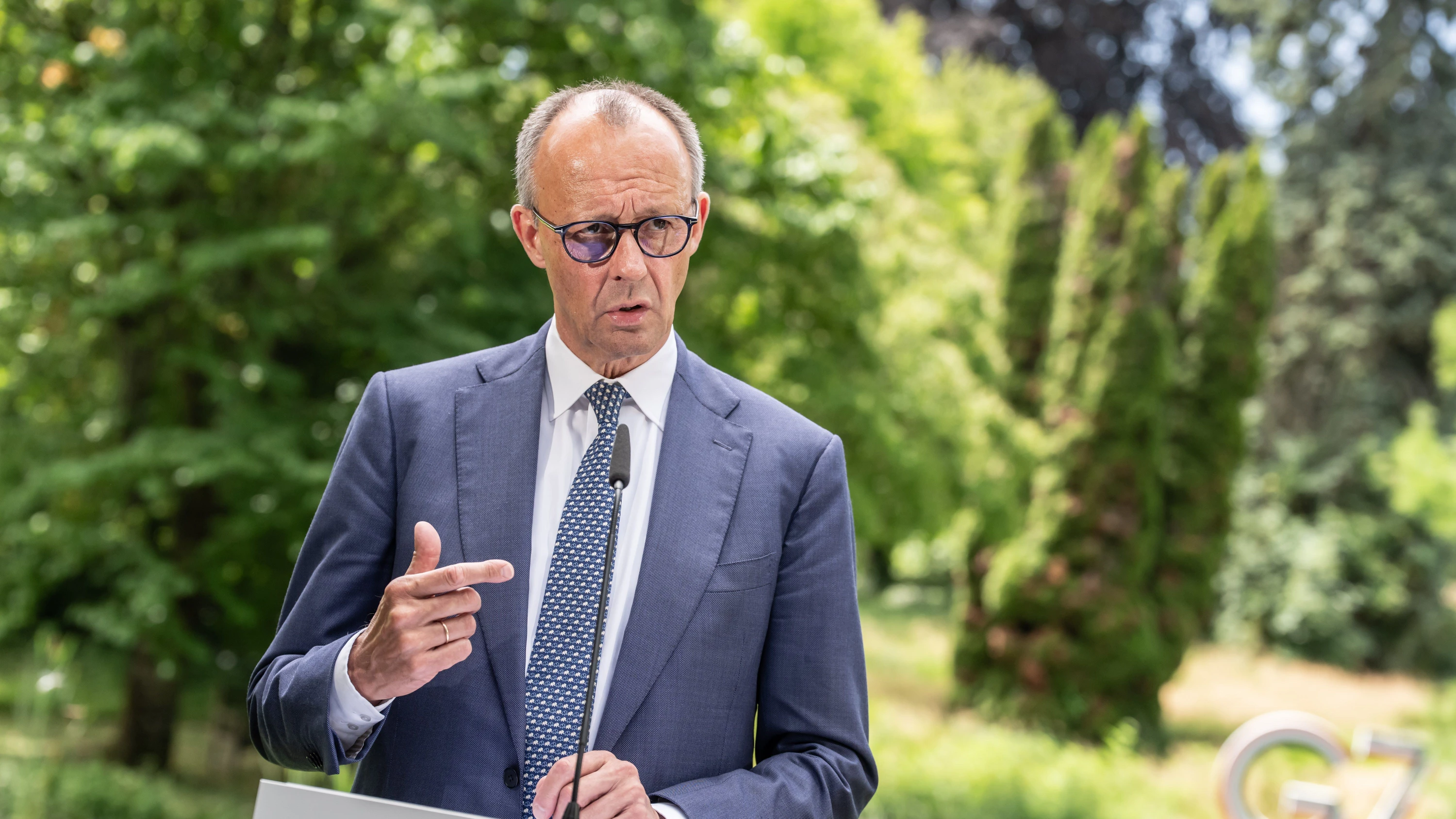
Innenpolitische Reformen: Merz erwartet in nächster Woche gute Vorschläge zur Reform des Rentensystems Bundeskanzler Friedrich Merz rechnet mit guten Vorschlägen der eingesetzten Expertenkommission, um das Rentensystem zukunftsfest zu machen. Die schwarz-rote Koalition habe sich innenpolitische Reformen vorgenommen.
faz · 3 months ago
Tabaksteuer: Wie die Tabaklobby das EU-Parlament beeinflusst – und scheitert Die EU will Mindeststeuern für Vapes und Tabakerhitzer vorgeben. Das Parlament schwächt dafür einen Entwurf deutlich zugunsten der Industrie ab. Doch am Ende fehlt überraschend die Mehrheit.
sueddeutsche · 3 months ago
Soziale Medien: Verbot oder Jugendversion? Die Social-Media-Expertenkommission der Bundesregierung wird nächste Woche ihre Empfehlungen vorlegen. Ein Überblick über den Stand der Diskussion.
sueddeutsche · 3 months ago
Swiss House backs VAT hike; rejects mixed financing for 13th pension On Wednesday, the Swiss House of Representatives rejected the proposal for mixed funding of the 13th payment of the Swiss old-age and survivors (AHV/AVS) pension. It accepted only the 0.4-point increase in Value Added Tax (VAT), but not the 0.2-point rise in employees contributions. + Get the most important news from Switzerland in your inbox The VAT increase was approved by 104 votes to 87. However, the House refused to make any changes to salaries by 98 votes to 96, with 4 abstentions. Throughout the debates, the House had maintained that funding should come solely from a VAT increase. The Swiss Peoples Party, the Radical-Liberal party and the Liberal-Green party had their way. The left criticised the right for rejecting dual funding with a single aim: to raise the retirement age. Interior Minister Elisabeth Baume-Schneider pointed out that the funding would not come into effect until 2028. Two pension payments would be made without funding, amounting to CHF9 billion ($11.3 ...
swissinfo · 3 months ago
Reform supports Bank of Estonias proposal to reduce deficit The board of the Reform Party has supported a proposal from the Bank of Estonia to create a responsible fiscal policy, reduce the budget deficit by 0.5 percent each year and cap the debt burden at 30 percent.
news.err · 3 months ago

Period tax on sanitary products to be abolished, says Pakistan minister Campaigners welcome announcement cutting levies on menstrual health items, but say their work to end period poverty is far from overPakistan plans to abolish period tax, in a victory for young campaigners who had taken the government to court over the charges.Finance minister Muhammad Aurangzeb announced that sanitary towels and related items were daily necessities that are indispensable for womens health, dignity and full participation in social activities, and said he intended to remove the sales tax. Continue reading...
theguardian · 3 months ago
FNV-voorman Spekman haalt uit naar kabinet: Een donzen deken van woorden Voor vakbond FNV is één ding duidelijk: de bezuinigingen van het kabinet op de sociale zekerheid moeten van tafel. Daarom worden er komende week acties gevoerd in onder meer het ov. "Er is geen andere optie", zegt de kersverse voorzitter Hans Spekman in gesprek met NU.nl.
nu.nl · 3 months ago
Reichtum: „Am oberen Ende der Vermögensverteilung verschwindet die Einkommensteuer fast vollständig Der Ökonom Gabriel Zucman verteidigt seine Idee einer Flat-Tax für Superreiche. Ein Gespräch über Oligarchen, Milliardäre und darüber, warum er auch Familienunternehmer nicht schonen würde.
handelsblatt · 3 months ago
Sozialstaat: Gründer und Manager legen dringenden Appell für Reformen vor Über 100 Gründer und Manager fordern kurz vor der geplanten Reform von Rente und Sozialstaat eine Erneuerung des Standorts Deutschland. Sie schlagen Schritte vor und warnen gleichzeitig.
handelsblatt · 3 months ago
Bürgergeld: SPD gegen Dobrindt – Soll die Grundsicherung gekürzt werden? Ist der Staat beim Bürgergeld zu großzügig? Die Koalition hat lange darüber gestritten. Ab dem 1. Juli gelten nun neue Regeln. Innenminister Dobrindt sieht die Chance auf Milliardeneinsparungen.
handelsblatt · 3 months ago