 Tuesday, June 23Tuesday, June 23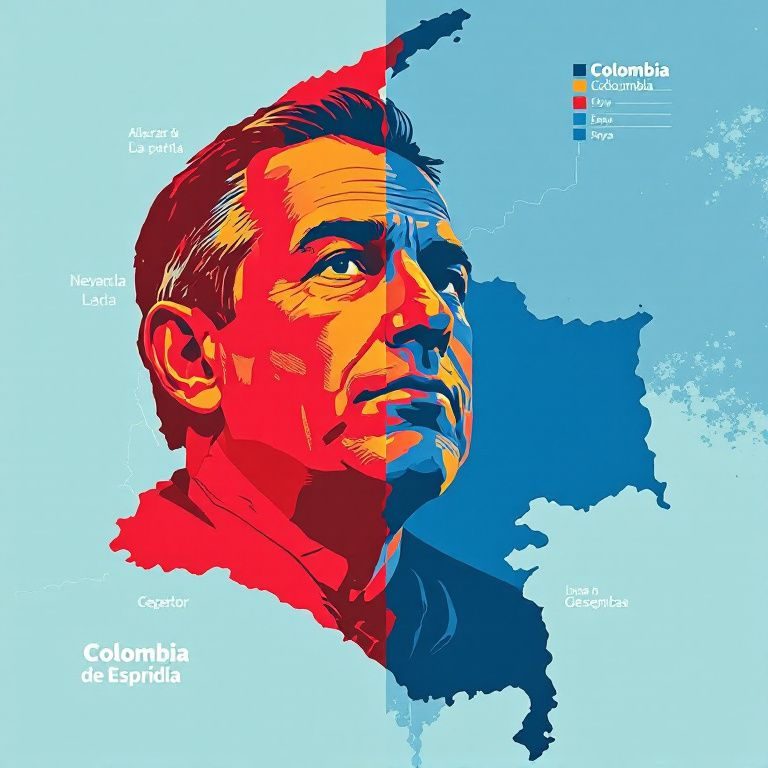
21 days · 9 summary articles
Abelardo de la Espriella, Colombia’s ultra-right-wing outsider candidate nicknamed “El Tigre,” won the presidential runoff on 21 June 2026, delivering a razor-thin victory that signals a sharp rightward lurch in Colombian politics and raises the prospect of renewed social and regional tensions. Official results gave de la Espriella 50.4% of the vote against leftist rival Sergio Fajardo’s 49.6%, according to the National Electoral Council .
The margin of less than one percentage point underscores the deep polarisation that has gripped Colombia since President Gustavo Petro took office in 2022. De la Espriella framed his campaign as an antidote to Petro’s leftist “establishment,” promising a muscular security policy and a break with the outgoing administration’s peace agenda. “The country has chosen to reject the venom of the left,” the editor-in-chief of a leading Bogotá daily wrote after the vote .
International observers noted that turnout dipped below 55%, the lowest in decades, reflecting widespread disillusionment with both candidates. The election took place against a backdrop of rising violence in rural areas, where dissident FARC factions and armed gangs have reasserted control since the 2016 peace accord frayed. De la Espriella has pledged to deploy the military aggressively and renegotiate elements of the accord, moves that risk alienating former combatants and indigenous communities.
Domestic markets reacted cautiously: the peso slipped 1.2% on Monday as investors priced in policy uncertainty, while the central bank’s dollar auctions were suspended to limit volatility. Analysts at Bancolombia warned that a rapid rollback of Petro’s social programmes could widen fiscal deficits and reignite inflation, which peaked at 13.1% in May.
The new president will take office on 7 August, inheriting a country where the peace process is stalled, coca cultivation is at record highs, and Venezuela’s economic crisis is spilling across the border. De la Espriella’s victory also complicates Colombia’s relations with neighbours such as Brazil and Chile, both governed by left-of-centre administrations that have backed Petro’s regional initiatives. His inauguration will be watched closely by Washington, where policymakers fear a reversal of counter-narcotics cooperation that has been a cornerstone of bilateral ties since Plan Colombia began in 2000.
1 further source not geolocated

Zanger The Killers komt na ruim tien jaar met nieuw soloalbum Brandon Flowers brengt dit jaar voor het eerst sinds 2015 een soloalbum uit. De zanger en toetsenist van rockband The Killers maakte dinsdag bekend dat zijn nieuwste werk Thrasher op 21 augustus uitkomt.
rtl nieuws · about 2 hours ago

AfD liegt weiter vorn, Union verkürzt Rückstand Die AfD behauptet in der neuen Forsa‑Erhebung ihre Spitzenposition, während die Union leicht zulegt. Beim Wählerpotenzial zeigt sich dagegen ein anderes Bild.
welt.de · about 2 hours ago

Confessions II : comment Madonna promeut son prochain album sur Grindr La reine de la pop sapprête à sortir, le 3 juillet, un album très attendu. Confessions on a Dancefloor : Part II sannonce comme un retour à ses débuts dance, dans les clubs gay de New York. Cest donc naturellement vers cette communauté que la star se tourne pour en faire la promotion.
courrier international · about 2 hours ago

Élu à la tête de la Colombie, Abelardo de la Espriella se veut lantidote au venin de la gauche Surnommé le Tigre, lavocat dextrême droite Abelardo de la Espriella a remporté sur le fil, le 21 juin, le deuxième tour de la présidentielle. Pour la rédactrice en chef de ce journal colombien, il a su, avant tout, incarner le rejet de lestablishment et du monde politique. Et en particulier du président sortant de gauche, Gustavo Petro.
courrier international · about 2 hours ago
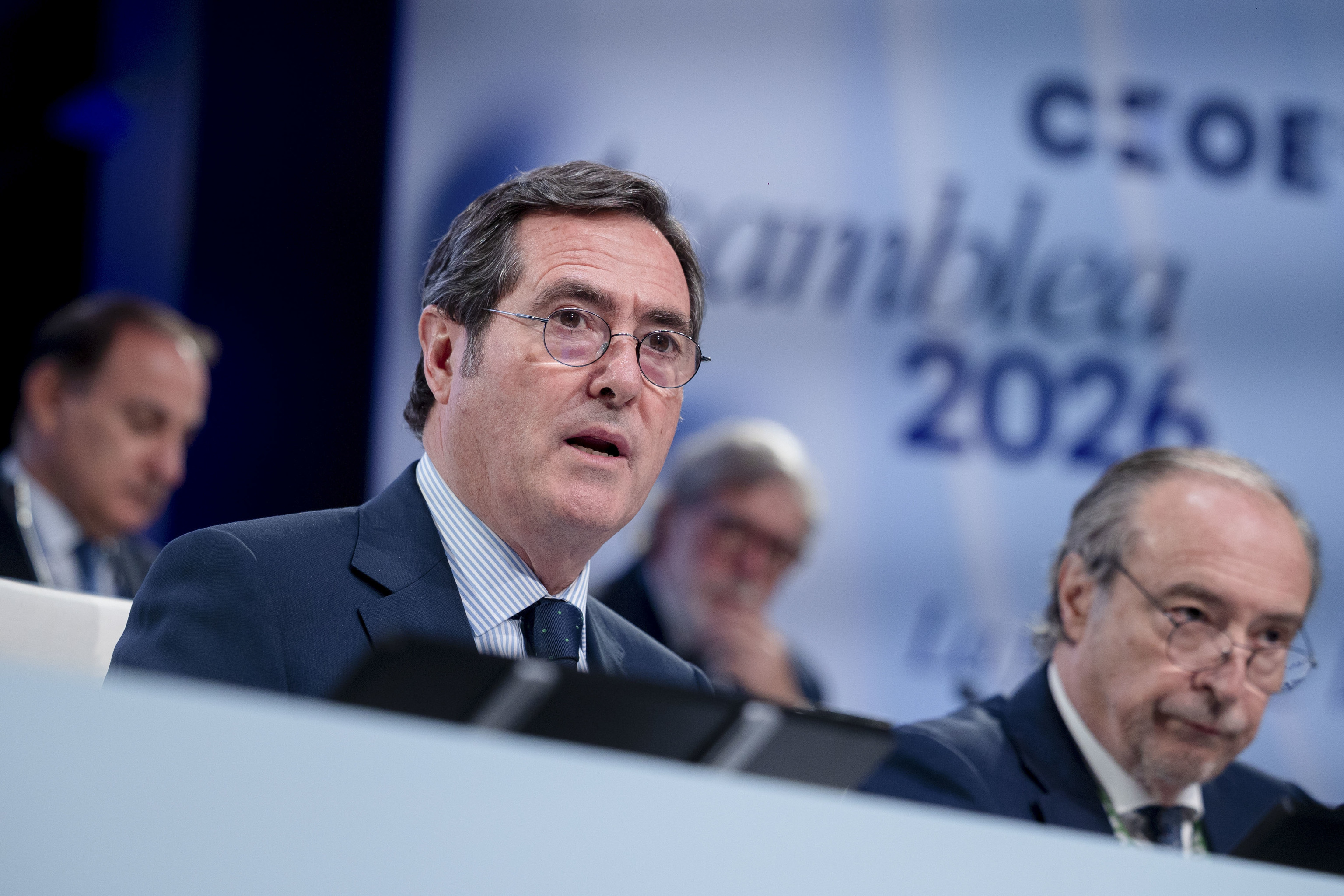
Antonio Garamendi activa por sorpresa el proceso electoral para que la CEOE elija presidente antes de noviembre El presidente convoca a los miembros de la patronal el 1 de julio para fijar la fecha de los comicios Leer
elmundo · about 2 hours ago
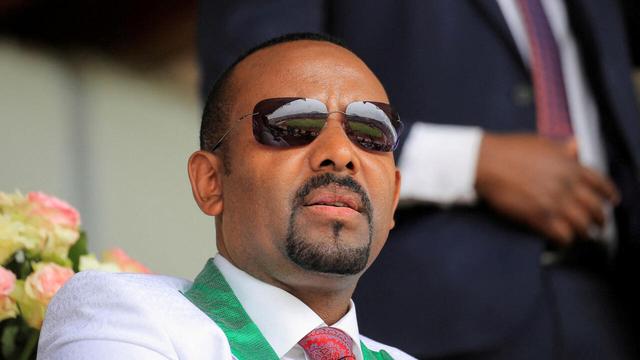
⚡ NEWSEthiopias Prosperity Party wins landslide election amid Tigray tensionsEthiopian Prime Minister Abiy Ahmeds Prosperity Party secured 90 of seats in national legislative polls. The election excluded the Tigray region, still recovering from a deadly 2020-22 conflict, raising fears of renewed violence and highlighting growing authoritarianism.📰 #GeoWire
mastodon bot · about 2 hours ago

⚡ NEWSColombia elects ultra-right-wing outsider Abelardo de la EspriellaAbelardo de la Espriella, an ultra-right-wing outsider, wins the Colombian presidential runoff. This tight victory signals a significant rightward political shift in the country and raises concerns about potential new conflicts.📰 #GeoWire
mastodon bot · about 2 hours ago
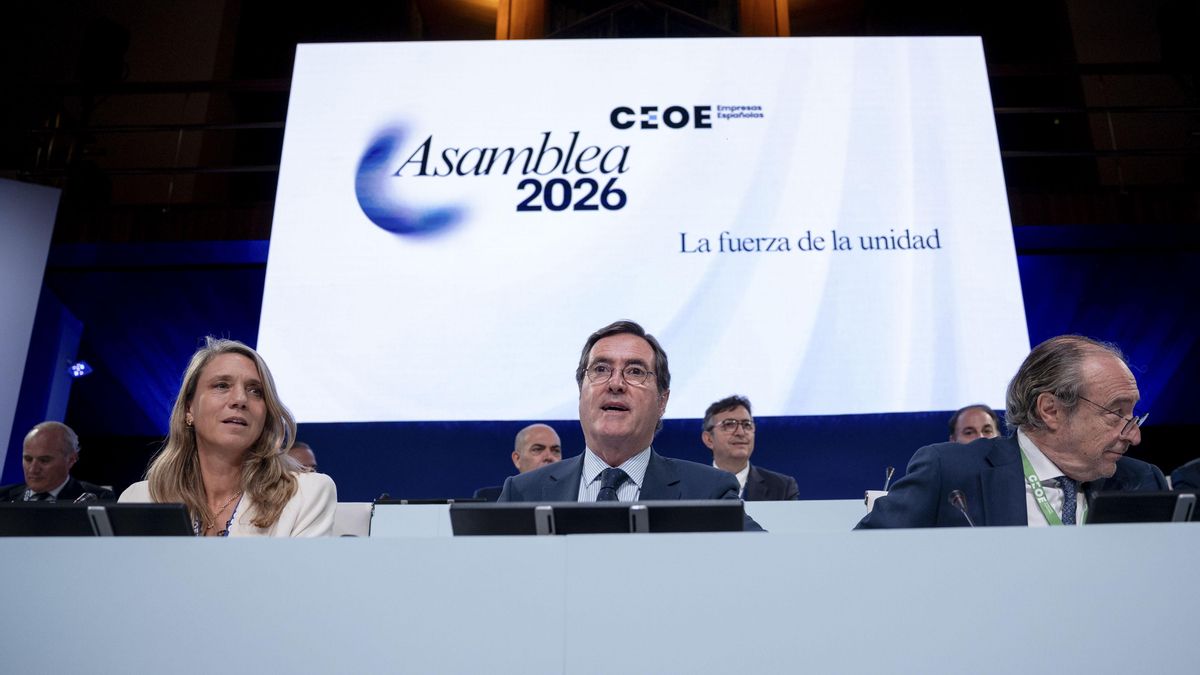
Antonio Garamendi adelanta por sorpresa la cita para fijar las elecciones a la presidencia de CEOE El presidente de la patronal, que aún no ha aclarado si aspira a la reelección, ha convocado a su comité ejecutivo el próximo 1 de julio para establecer la fecha de los comicios El presidente de la CEOE, Antonio Garamendi, ha dado, por sorpresa y antes de lo previsto, el primer paso para celebrar las elecciones al liderazgo de la gran patronal, unos comicios que estaban previstos para otoño y que podrían tener lugar a la vuelta del verano. El empresario vasco ha convocado el próximo miércoles 1 de julio al Comité Ejecutivo, que es el organismo competente para fijar la fecha definitiva de las elecciones. Hay prevista una cumbre en noviembre y, teniendo en cuenta que los estatutos establecen un plazo mínimo de tres meses, no queríamos que los tiempos se solaparan con ese evento, detallan fuentes de la CEOE consultadas por elDiario.es, que confirman la reunión de la dirección de la patronal la próxima semana. En este sentido, las fuentes patronales apuntan que era importante intentar que la convocatoria quedara cerrada durante el mes de julio, de manera que las organizaciones dispusieran de margen suficiente para realizar toda la tramitación y los procedimientos necesarios antes de agosto. (Estamos ampliando esta información)
eldiario.es · about 2 hours ago
Ethiopias ruling party secures 90 of votes in national election Ethiopian Prime Minister Abiy Ahmeds Prosperity Party won a landslide victory in legislative polls, giving it almost 90 percent of the seats. Abiy has led Ethiopia since 2018, and is increasingly criticised for growing authoritarianism. Northern Tigray, still recovering from a devastating 2020-22 conflict that claimed 600,000 lives, did not vote. Growing tensions between local and federal authorities have raised fears of a renewed conflict.
france24 · about 2 hours ago
3 June 2026 - Armenia Election Monitor - A strategic choice: Armenian voters between diversification and dependency
commonspace · about 2 hours ago
5 June 2026 - Armenia Election Monitor - Armenia goes to the polls, searching for a way forward
commonspace · about 2 hours ago
10 June 2026 - Armenia Election Monitor - The Importance of the 2026 Parliamentary Elections for Armenias Democratic Future
commonspace · about 2 hours ago
12 June 2026 - Armenia Election Monitor - Special Issue
commonspace · about 2 hours ago

사법개혁 좌절 멜로니 , 내년 4월 조기 총선 승부수 띄우나
gdelt bot · about 2 hours ago

Meloni valuta elezioni anticipate ? Lindiscrezione di Bloomberg
gdelt bot · about 2 hours ago

bloomberg boom : giorgia meloni sta valutando elezioni anticipate ad aprile
gdelt bot · about 2 hours ago