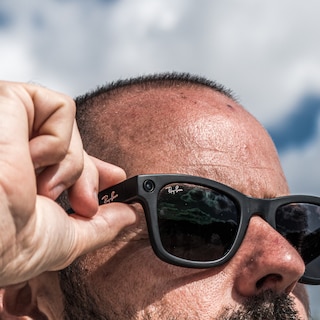
Norway’s government announced plans on Monday to temporarily ban AI-powered smart glasses in a range of public spaces, citing privacy concerns over unauthorized photography, filming and audio recording. The proposed restrictions would cover parks, beaches, museums, shopping centers, schools, kindergartens, healthcare facilities, gyms and public events, with exemptions for private use and cases where consent is not at risk.
Digitalisation Minister Torgeir Micaelsen said the government aims to introduce legislation “as quickly as possible” while an expert group drafts permanent regulations. “We do not want a society where people are worried about hidden audio recordings, photography and filming in places and situations where they are used to being without surveillance,” Micaelsen said .
The minority Labor Party-led government requires support from other parties to pass the measure. Officials are also considering whether to extend the ban to other body-worn devices with cameras, microphones or AI functions. The move follows Oslo’s earlier decision to ban camera-equipped glasses in schools and growing scrutiny across Europe, including a Dutch retailer’s suspension of Meta’s Ray-Ban smart glasses sales over privacy concerns .
Meta’s Ray-Ban smart glasses, which sold 7 million units globally in 2025, include a non-disablable LED light to indicate recording, but privacy advocates argue the feature does not address covert use . In France, authorities have investigated cases of women being filmed without consent using such devices .