
Vandals breach Hungarys Mr Castle, leaving millions in damage after wild night

Story Timeline
3 months · 8 summary articles
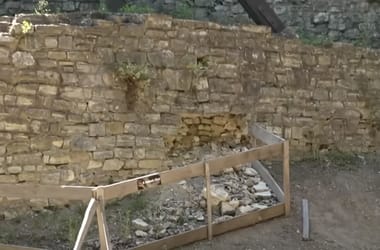
Mecsek foothills, Hungary — Unknown revelers have left a protected medieval ruin in ruins after a night of heavy drinking, causing millions of forints in damage to the Máré Castle, a protected heritage site. On Saturday, 21 June 2026, local media reported that the castle’s ancient walls were breached, with empty beer cans and used condoms littering the site the following morning.
Investigators arriving at the scene found the castle’s 13th-century fortifications damaged, with large sections of the outer wall forcibly dismantled. Police confirmed that the incident occurred overnight, with no immediate suspects in custody. Authorities estimate the cost of repairs at several million forints, though the exact figure remains under assessment.
The Máré Castle, a protected cultural monument, has long been a popular but unsupervised site for informal gatherings. Local heritage advocates have repeatedly warned about the risks of unregulated access, citing previous incidents of vandalism and littering. The latest breach follows a pattern of disregard for the site’s protected status, raising concerns among preservationists about the adequacy of security measures.
In a separate cultural controversy, Greece’s Zappeion Hall faces renewed scrutiny after an unauthorized outdoor amphitheater was dismantled without approval from the Ministry of Culture’s advisory council. The structure, criticized for its intrusive design, was removed this week following public outcry over its impact on the historic site’s aesthetic integrity.
Meanwhile, in Germany, police in Eisenhüttenstadt are investigating a break-in where thieves paused to enjoy ice cream at the scene, leaving behind empty wrappers. The burglars, who made off with an unspecified haul, were described by investigators as unusually leisurely in their approach.
Back in the Czech Republic, the city of Plzeň has given businesses one final week to remove unauthorized advertisements from the city center, enforcing a municipal ordinance passed last year. The crackdown targets large banners and installations that obscure historic facades or disrupt the architectural character of the area.
The incidents in Hungary and Greece underscore the challenges of balancing public access with the preservation of cultural heritage, while the Plzeň enforcement highlights growing municipal efforts to protect urban character. Authorities in all three countries have pledged to pursue those responsible for the recent damage.
Follow us for live European news
- 2
- 1
- 1
- 1
- 1
Articles
Durva bulit tartottak, megrongálták a Máré-vár romjait A buli helyszínén másnap rengeteg üres alkoholos üveget, valamint több tucat óvszert találtak.
hvg.hu · 3 months ago

Ζάππειο: Χωρίς έγκριση από το αρμόδιο συμβούλιο του υπουργείου Πολιτισμού το υπαίθριο αμφιθέατρο που ξηλώνεται Η ατμοσφαιρική μακέτα, η ακαλαίσθητη σιδερένια κατασκευή που προκάλεσε αντιδράσεις και το προηγούμενο «φάουλ» με το παπούτσι της Adidas που έκρυβε την Ακρόπολη
protothema · 3 months ago
Megbontották a mecseki vár falát, majd sörösdobozokat és használt óvszereket hagytak a helyszínen az ismeretlen bulizók A védett műemléknek számító Máré várban több millió forintos kár keletkezett.
444.hu · 3 months ago
Z centra Plzně mizí nevhodné reklamy. Provozovatelé mají poslední týden na jejich odstranění Provozovatelé mají ještě týden na odstranění nevhodných reklam z centra Plzně. Ukládá jim to vyhláška, kterou město schválilo minulý rok. Jedná se například o plachty zakrývající fasády nebo instalace narušující architektonický ráz budov.
irozhlas.cz · 3 months ago
Einbruch: Einbrecher hatten Lust auf Eis Einbrecher lassen sich ihre Beute in Eisenhüttenstadt gleich am Tatort schmecken. Die Polizei findet leere Eis-Verpackungen.
tagesspiegel · 3 months ago
Vlna krádeží áut v Košiciach: Polícia dáva vodičom do pozornosti jednu značku Pozrite si odporúčania polície, ako si auto lepšie zabezpečiť pri parkovaní.
aktuality.sk · 3 months ago