
Hungary scales back solstice fireworks, urges inclusion of child protection institutions
Story Timeline
4 months · 15 summary articles
Hungarian government to scale back national fireworks display, advocates for inclusion of child protection institutions
Budapest, 16 June 2026 — Hungary’s national fireworks display marking the summer solstice will proceed this year, but in a scaled-down and shorter format, according to government spokesperson Nagy Ervin. Speaking to 444.hu , Nagy confirmed that the event will still take place but will be less extravagant than in previous years, reflecting broader fiscal constraints while maintaining a symbolic gesture of national celebration.
Nagy also suggested that local authorities consider extending the tradition to child protection institutions, calling it “a beautiful gesture” that would bring festive moments to some of the country’s most vulnerable children. “It would be a meaningful way to include those who often receive less attention,” he said. The announcement comes amid ongoing debates over public spending priorities, with critics questioning the necessity of large-scale fireworks during economic uncertainty.
Meanwhile, in Dolní Kalná, Czechia, a primary school has turned student creativity into community funding through an innovative art sale. Over 500 drawings and paintings created by pupils throughout the academic year were displayed and sold at a public exhibition in the school gymnasium, raising 6,000 Czech korunas—approximately €240—for a planned class trip. Organizers invited buyers to leave notes specifying where they would display the artwork, with some pieces finding new homes in local restaurants and cafés. The initiative not only supported student achievement but also fostered local cultural exchange, as families and businesses alike embraced the young artists’ work.
In Romania, archaeologists have unveiled a collection of ancient toys discovered in the historic port city of Constanța, once the Roman settlement of Tomis. Among the artifacts—now housed at the National Museum of History and Archaeology—are wheeled horses, rattles, animal figurines, and miniature soldiers, offering a rare glimpse into the playtime of children from the Roman era. The collection will tour several cities starting in Iași on 19 June, allowing broader public access to these 2,000-year-old relics of childhood.
Across Europe, communities continue to find creative ways to support children and families. In Germany, a new guide from *Die Zeit* highlights 20 affordable essentials—each costing under five euros—that can ease the challenges of early parenthood, drawing on advice from parents of multiple children. From reusable silicone food pouches to compact foldable bathtubs, the tips emphasize practicality over expense, reflecting a growing movement toward sustainable and budget-conscious parenting.
From Budapest to Constanța, these stories reflect a continent where tradition, innovation, and social responsibility intersect—whether through scaled-back celebrations, student-led fundraising, archaeological discovery, or everyday parenting hacks.
Follow us for live European news
- 2
- 1
- 1
- 1
- 1
- 1
1 further source not geolocated
Articles

Azt mondod, esztétikára neveled Tiborczot, de közben nem veszed észre, mi történt az egész szakmával Felment-e, ha jó házat építesz? Lehetett-e kívül maradni a rendszeren, és hol jöttek létre csúcsteljesítmények? Mit akarnak a fiatalok, a technicisták, és miből áll az elszámolás? A 444 stúdiójában a NER építészetéről és a szakma újjászervezéséről vitatkozott Major Zoltán, Wesselényi-Garay Andor és Csóka Attila Róbert.
444.hu · 3 months ago
Nagy Ervin szerint lesz tűzijáték, de olcsóbb és rövidebb Szerinte szép gesztus lenne, ha gyermekvédelmi intézményeknél is lenne tűzijáték.
444.hu · 3 months ago
Skřehotání žab a naučná stezka mezi tůněmi. Kojetín vybudoval relaxační areál v lužním lese za městem V Kojetíně na Přerovsku dělníci dokončili nový relaxační areál, který se nachází nedaleko centra města v lužním lese u slepého ramene řeky Moravy. Radnice ho nechala vybudovat za čtrnáct milionů korun. Sloužit bude nejen rekreantům, ale také živočichům. Zároveň má zadržovat vodu v krajině.
irozhlas.cz · 3 months ago
Je vzrušující vidět budovy postavené před rokem 1950, tvrdí studenti z USA. Pomáhají na zámku Nelahozeves Na zámku v Nelahozevsi čistila dva týdny skupina patnácti studentů z americké Purdue University unikátní hudební partitury, koňské postroje a další exponáty. Do tuzemska přijeli nejen na praxi, ale i kvůli poznávání české kultury, historie, hudby a gastronomie. Programu se účastnili například budoucí restaurátoři, archeologové a lékaři.
irozhlas.cz · 3 months ago

Sculpture planned for Ukraine aid workers school
news.yahoo.com · 3 months ago
Jucării din Antichitate, descoperite în vechea cetate a Tomisului. Cum arătau jucăriile copiilor romani Căluți pe roți, zornăitoare, figurine de animale și soldăței - acestea erau jucăriile din Antichitate, pe care le foloseau copiii care au trăit în epoca romană. Obiectele au fost descoperite de arheologi și păstrate în incinta Muzeului Național de Istorie și Arheologie Constanța. Acum vor ajunge în expoziții din mai multe orașe din țară. Prima oprire va fi la Iași, începând din 19 iunie.
digi24 · 3 months ago
Adidas Eyewear: Cooler Schutz vor Wind und Sonne [premium] Die knallblaue „Kentro bietet alles, was man sich von einer guten Sportbrille erwartet. Ohne hineinprojizierte Echtzeitdaten und Kameraauge.
die presse · 3 months ago
Erstausstattung fürs Baby: 20 Ideen, die das erste Jahr mit Baby besser machen (unter fünf Euro) Kleine Dinge können einen großen Unterschied machen. Eltern mehrerer Kinder verraten, welche Hacks und Hilfsmittel sie gern schon beim ersten Baby gekannt hätten.
die zeit · 3 months ago
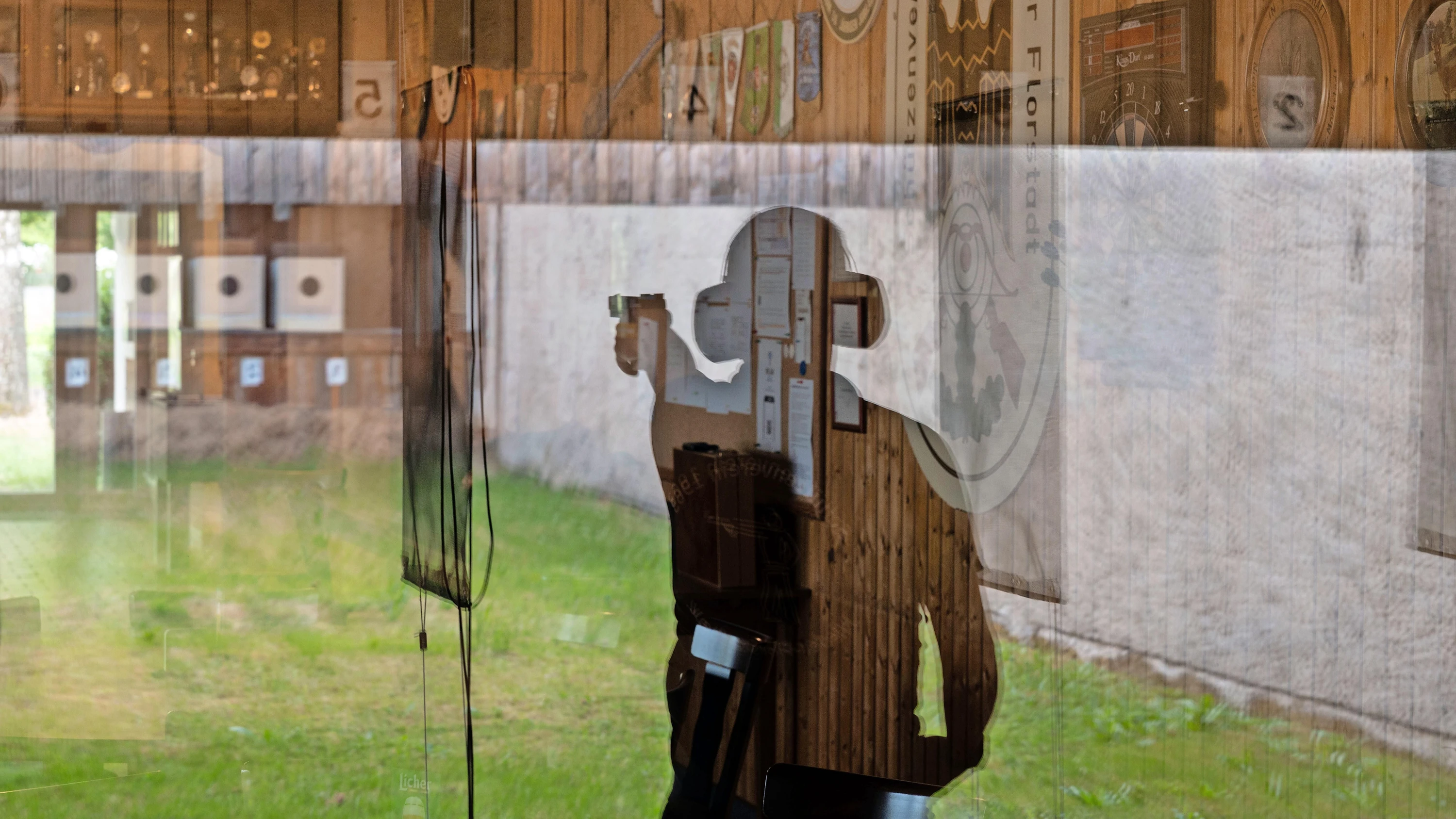
Extremisten im Schützenheim: „Wir brauchen keine Ballermänner, die alles kaputtmachen Politisch motivierte Gewalt wird mehr und mehr zum Problem. Auch Schützenvereine stellen sich die Frage: Was können wir gegen Extremismus in den eigenen Reihen tun?
faz · 3 months ago
Z lavice třeba do restaurace. Na netradiční výstavě se prodávaly obrázky, které děti za školní rok vytvořily Obrázky dětí ze základní školy v Dolní Kalné budou teď zdobit nejenom jejich domovy, ale třeba i stěny některých restaurací. Škola totiž ve své sokolovně připravila prodejní výstavu prací, které žáci za celý školní rok vytvořili. Bylo jich přes pět set a zájemci si jich mohli koupit libovolné množství. K tomu směli autorům napsat i vzkaz, kam si dílo vystaví. Prodejem se podařilo vydělat šest tisíc korun, které škola použije na společný výlet.
irozhlas.cz · 3 months ago
Hoe je kinderen bij het scherm vandaan krijgt: Ze moeten activiteiten ontdekken die avontuur en voldoening geven
de volkskrant · 3 months ago
Ehrenamt mit Herz: Mit 93 Jahren – Werner Niehle sorgt für sicheren Schulweg
die zeit · 3 months ago