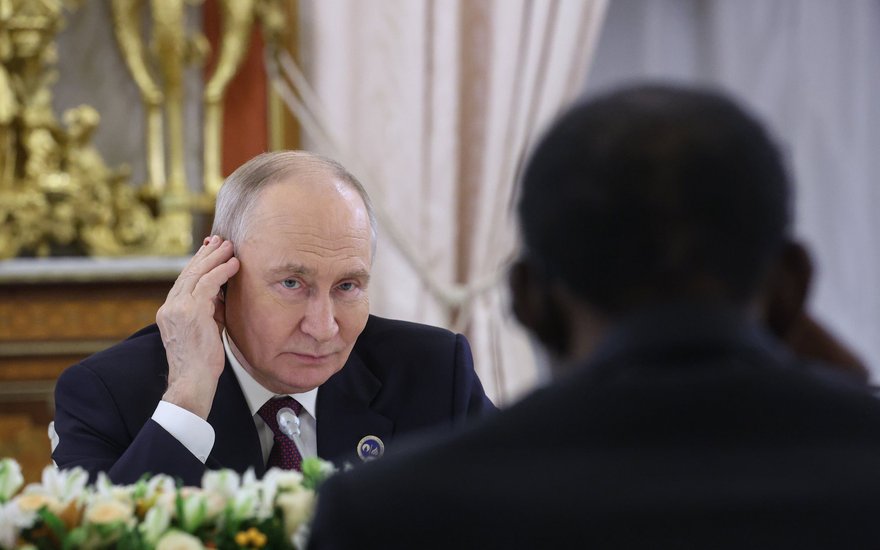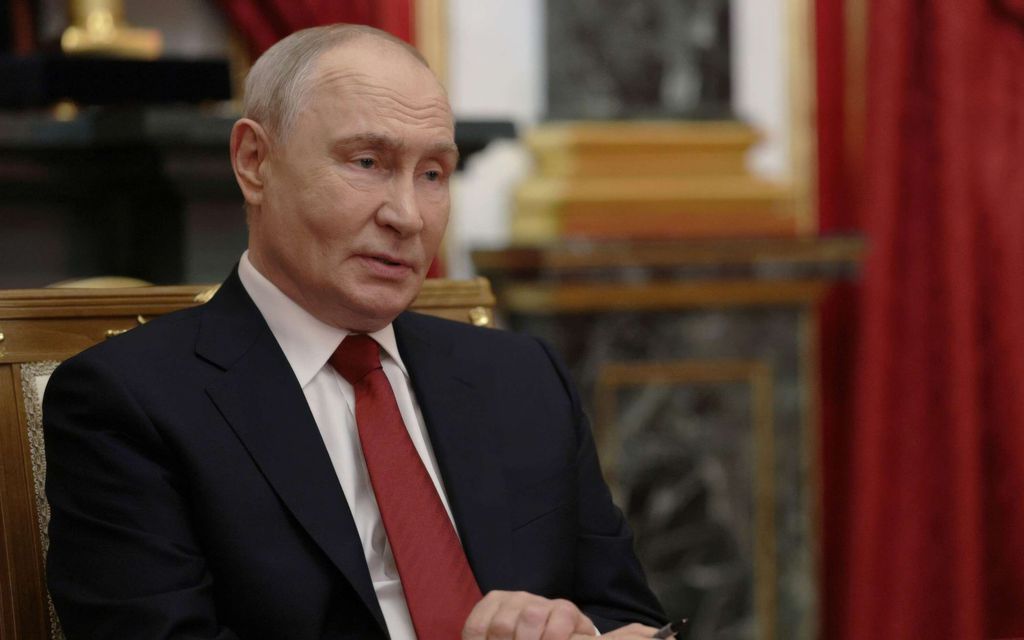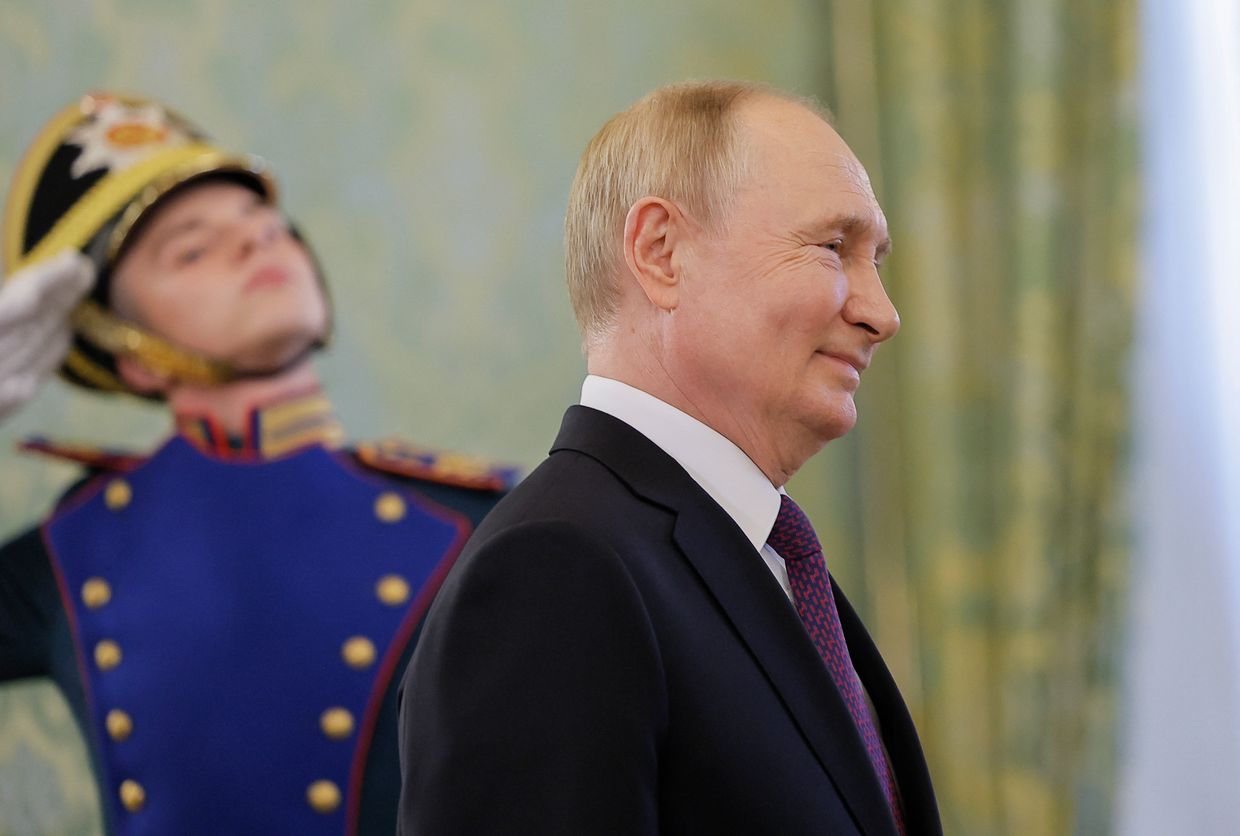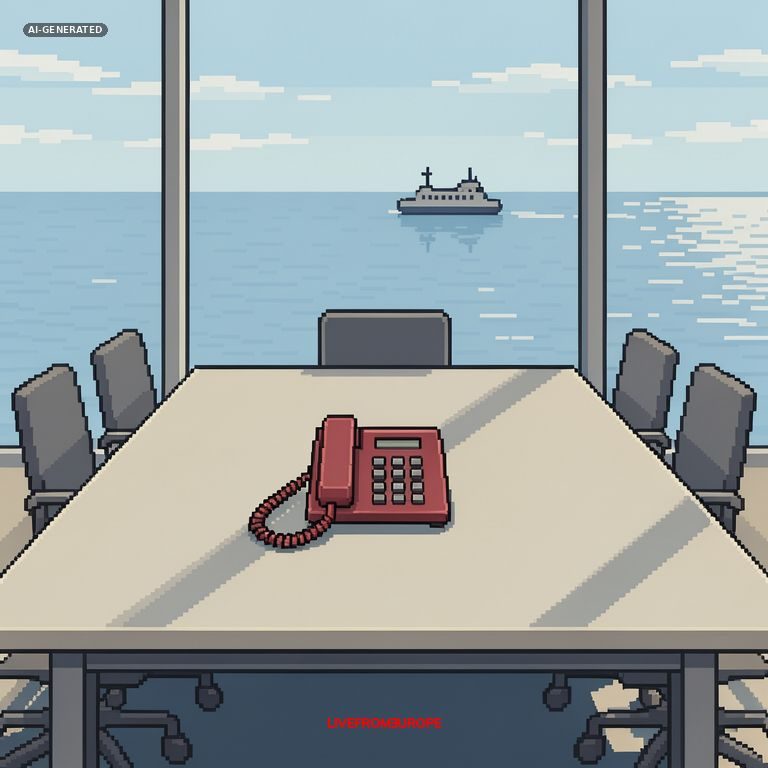
Finnish President Alexander Stubb and Norwegian Prime Minister Jonas Gahr Støre held a rare 90-minute call with Vladimir Putin on Tuesday to discuss future negotiations to end the war in Ukraine.
The conversation, initiated by Helsinki and Oslo, was the first direct contact between Putin and a European leader since July 2025, when he spoke with French President Emmanuel Macron. Stubb and Støre said they acted as leaders of their own countries, not as representatives of Europe as a whole. The call followed a meeting in Oslo last week with Ukrainian President Volodymyr Zelenskyy and US special envoy Steve Witkoff, and precedes trilateral peace talks planned for November in Abu Dhabi involving Russia, Ukraine, and the US.
Putin spent most of the call delivering a lengthy lecture on what the Kremlin calls the conflict’s “initial causes,” focusing on medieval Slavic history and offering little discussion of Ukraine’s demand for an immediate ceasefire, according to three sources familiar with the conversation. Stubb and Støre chose not to interrupt, aiming to assess Putin’s seriousness about dialogue with Europe. The Kremlin later stated that Putin had reiterated Russia’s view that “confrontational” EU and NATO policies were prolonging the war.
Reactions among European leaders were mixed. Danish Prime Minister Mette Frederiksen criticized the initiative, telling Danish broadcaster DR it had not been “coordinated with any of the rest of us” and accused Finland and Norway of “going solo.” Swedish Prime Minister Ulf Kristersson similarly warned that talks risking a divided European voice were “risky.” Støre rejected the criticism, insisting Norway and Finland had consulted partners in advance and provided a thorough summary afterward.
Zelenskyy responded positively, expressing gratitude for the diplomatic efforts in a post on X. Finnish Foreign Minister Elina Valtonen defended the move, stating that “any action that brings us closer to peace deserves support.” The Kremlin said Putin told the leaders that a “just and lasting peace” would require consideration of Russia’s interests.