Berlin’s left-wing Linke party voted on Saturday to enter coalition talks with the Greens and SPD to form a state government, with negotiations set to begin on Monday.
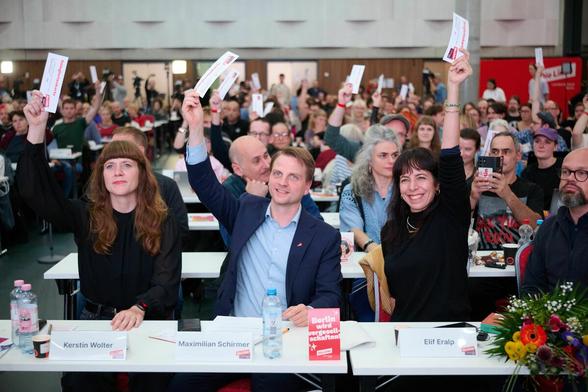
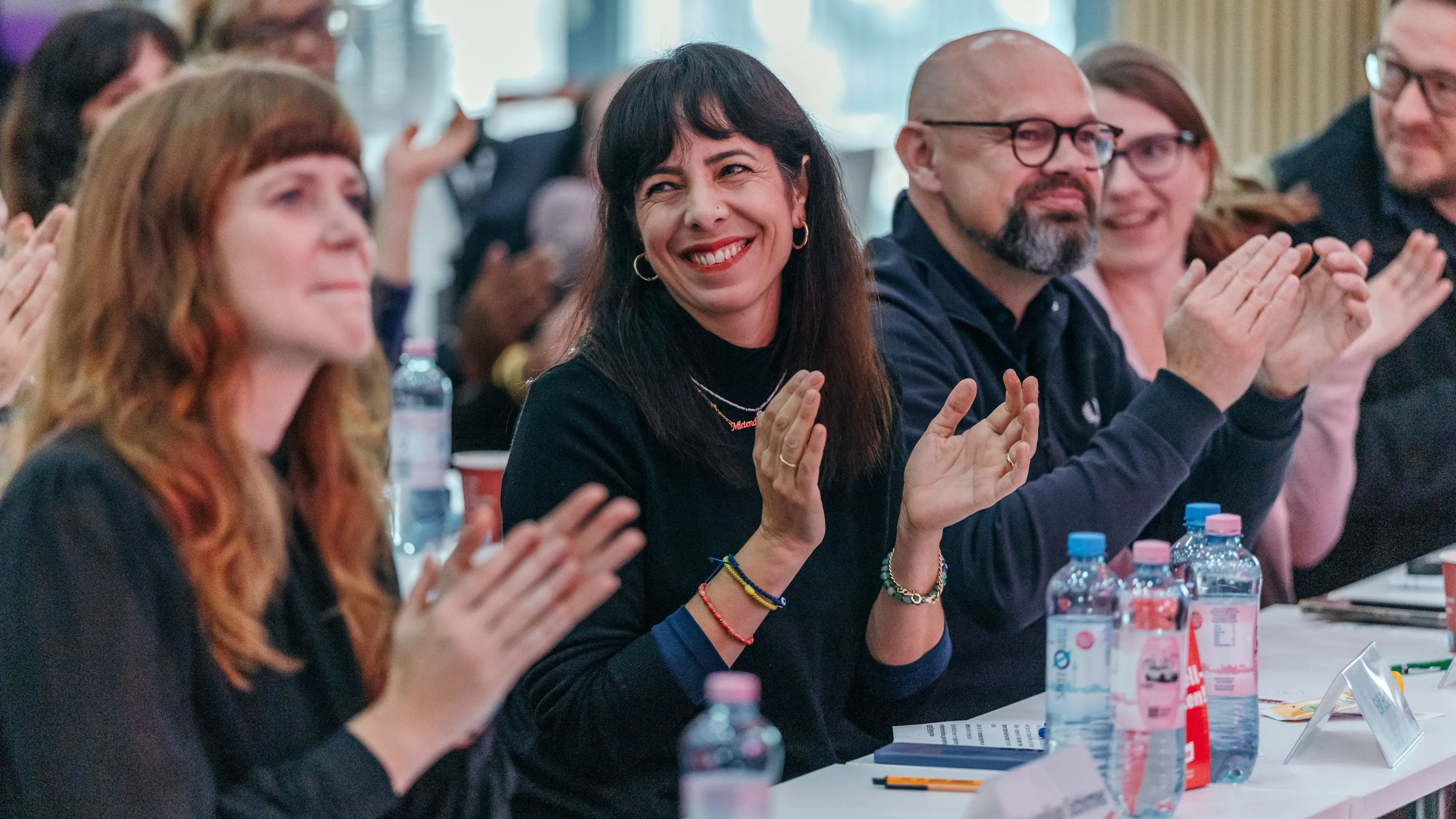
A large majority of Linke delegates at an extraordinary party congress approved the move, clearing the way for formal discussions. Only 10 of over 150 delegates opposed the decision, which follows a preliminary agreement reached on 8 October between the three parties. The Linke also reaffirmed a joint declaration on protecting Jewish life and Israel’s right to exist, a key condition for the Greens and SPD.
The talks will be led by a steering group of senior politicians from all three parties, supported by around a dozen policy working groups. A coalition agreement could be finalized by December, though the timeline remains uncertain. The Linke’s 19,000 members in Berlin—the city’s largest party—will have the final say in a membership ballot, while the Greens plan a digital consultation and the SPD a party conference.
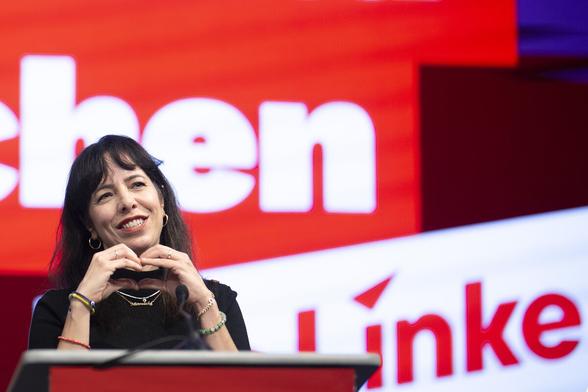
Elif Eralp, the Linke’s lead candidate, addressed the congress with a pledge to make Berlin more affordable and to combat antisemitism and organized crime. “I will work to protect Jewish life, fight antisemitism, and also oppose all forms of racism against Palestinians,” she said. Her speech was met with standing ovations and chants of “Elif, Elif,” signaling strong party backing.
Outside the venue, a small group of protesters, including the controversial Linke lawmaker Vanessa Emde, demonstrated against the coalition. Emde, who has rejected Israel’s right to exist, called for “no coalition without socializing housing” and “no coalition without solidarity with Palestine.” Her public opposition has isolated her within the party, with observers noting she has undermined Eralp and the state leadership.
The coalition’s policy platform includes plans to socialize 160,000 apartments from major property firms, a proposal that has drawn criticism from some SPD members. A group of 300 SPD figures, including former party leader Sigmar Gabriel and ex-health minister Karl Lauterbach, published an open letter opposing the alliance, citing concerns over antisemitism and links to organized crime. They also warned that the economic policies could harm Berlin’s budget and deter investment.
The Linke emerged as the strongest party in Berlin’s 20 September state election with 25.7 percent of the vote, ahead of the CDU on 18.8 percent and the AfD on 16.3 percent. The outgoing CDU-SPD coalition lost its majority, forcing new negotiations.