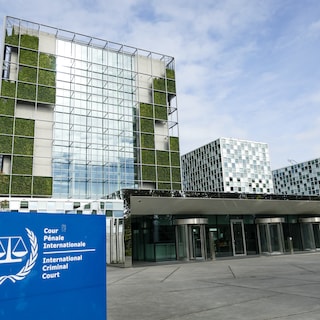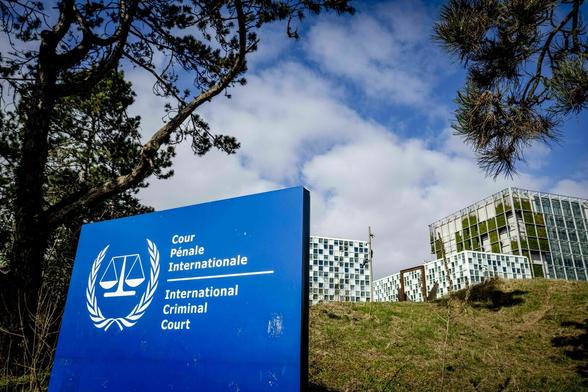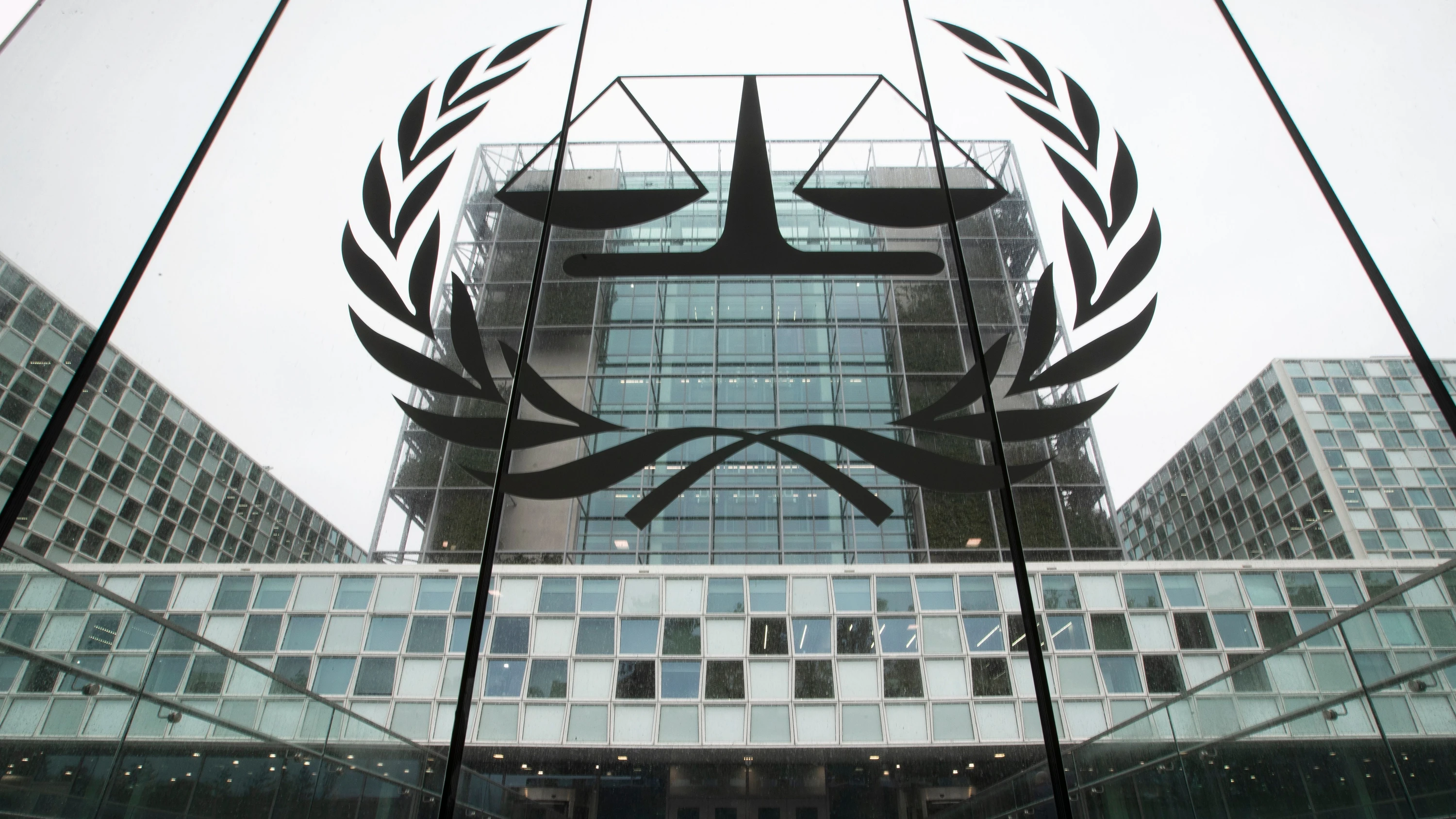

The United States imposed sweeping sanctions on the International Criminal Court on Friday, cutting off its access to U.S. financial systems and commercial services in a move that threatens to cripple the Hague-based institution’s operations.
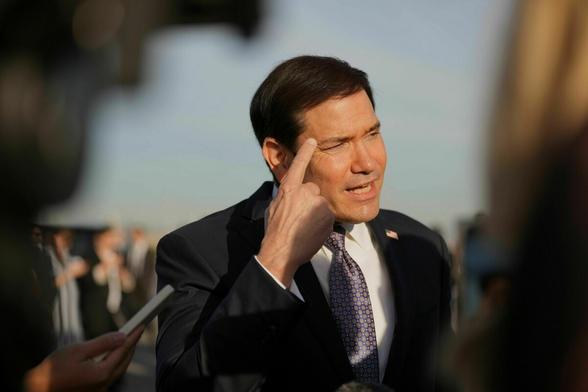
Secretary of State Marco Rubio announced the measures, declaring the ICC a “rogue court” and vowing to “prohibit any transaction with this tribunal, deprive it of resources, and paralyze its ability to function.” The sanctions block the court’s assets in the U.S. and bar American individuals and companies from conducting business with it, including banks, insurers, and technology providers. A 180-day grace period, expiring May 7, 2027, was included to allow for the court’s “maintenance or winding down” of operations, according to the U.S. Treasury .
The sanctions escalate a long-running dispute over the ICC’s investigations into U.S. allies, particularly Israel. Rubio demanded the court halt all probes involving American personnel or allies, stating, “Either the ICC ends its threats or we end the ICC.” The measures extend earlier restrictions targeting individual ICC officials, including Chief Prosecutor Karim Khan and multiple judges, such as French Judge Nicolas Guillou, who faced frozen accounts and blocked services after signing arrest warrants for Israeli leaders in 2024 .
The European Union condemned the sanctions as “unacceptable” and reaffirmed its support for the court’s independence. EU foreign policy chief Kaja Kallas stated the measures undermine the rule of international law, while ICC officials called the move “an attack on the foundations of the international legal order” . Japan also reiterated its backing of the ICC, citing the importance of the rule of law .