
Global displacement falls for first time in a decade, but crisis deepens
Story Timeline
4 months · 3 summary articles
Germany shifts displaced persons' commemoration to Interior Ministry, sparking historical debate
EU tightens asylum rules as refugee arrivals drop 68 amid global crisis
Global displacement falls for first time in a decade, but crisis deepens
The number of people forcibly displaced worldwide has fallen for the first time in a decade, the UN refugee agency reported on Thursday, but the 117.8 million still uprooted by war, violence and persecution represent one in every 70 human beings on Earth. The decline—from 120 million in 2024 to 117.8 million in 2025—marks the first decrease since 2014, yet UNHCR warns that coercive returns and unresolved crises are deepening the crisis rather than resolving it.
The drop is driven largely by 14.8 million refugees who returned home last year, a figure the UN calls “unusually high.” For many, however, the journey back is not a choice but a compulsion. “Returns are not always voluntary or safe,” said Filippo Grandi, UN High Commissioner for Refugees. “When people are pushed back across borders or return to areas still torn by conflict, we are simply storing up future displacement.” The warning echoes the UNHCR’s 2025 report, which notes that 65 armed conflicts raged worldwide in 2025—the highest number since records began in 1946—leaving millions trapped in protracted crises with no durable solution in sight .
The concentration of displacement remains extreme. Just six countries now host more than half of all refugees: Turkey, Iran, Colombia, Germany, Pakistan and Uganda. Germany, which took in 2.9 million people in 2025, remains the only high-income nation in the top tier. “This is not a sign of success,” said Karl Kopp of the European Council on Refugees and Exiles. “It shows how few countries are willing to share responsibility.” The UNHCR report highlights that 75 per cent of refugees live in low- and middle-income countries already struggling with poverty and climate shocks.
Behind the aggregate figures lie human tragedies. In Syria, where the conflict has entered its 16th year, only 120,000 of the 6.8 million refugees registered with UNHCR returned in 2025—most under pressure from host governments. In Sudan, where civil war has displaced 10 million people, returns have been negligible. “The idea that people can go home safely is a fiction in too many places,” said a senior aid worker quoted in the *Frankfurter Allgemeine Zeitung* .
While the global total has edged down, the underlying drivers show no sign of abating. The UCDP conflict database at Uppsala University recorded 65 active wars in 2025, up from 55 in 2024, with new fronts opening in the Sahel and the South Caucasus. “We are not seeing fewer wars,” Grandi told reporters in Geneva. “We are seeing more people trapped in them for longer.” The UNHCR therefore urges states to halt forced returns, expand resettlement programmes and invest in conflict prevention—not least because the cost of inaction is measured in human lives, not just dollars.
Follow us for live European news
- 5
- 4
- 2
- 1
- 1
Articles

Omenirea se confruntă cu cel mai mare număr de conflicte armate de la al Doilea Război Mondial încoace Anul trecut au avut loc 65 de conflicte armate la nivel mondial, cel mai mare număr de când au început înregistrările în 1946, imediat după sfârșitul celui de-al Doilea Război Mondial, scrie presa din Spania, citând un raport al Programului de Date privind Conflictele (UCDP) de la Universitatea Uppsala din Suedia. În plus, numărul conflictelor …
hotnews.ro · 4 months ago
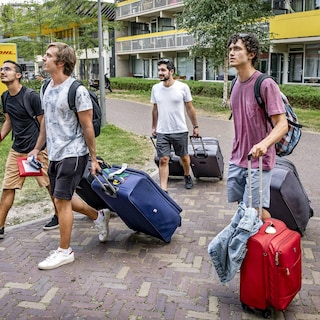
Voor het eerst in twintig jaar minder buitenlandse studenten in Amsterdam
parool · 4 months ago
UNHCR: Erstmals seit zehn Jahren Rückgang bei Vertriebenen
orf.at · 4 months ago
One in 70 people worldwide is forcibly displaced: UNHCR At least 117.8 million people worldwide remain forcibly displaced due to conflict, violence, and persecution.
aljazeera · 4 months ago
Aantal internationale studenten daalt voor het eerst in 20 jaar: Gaat verder dalen Het aantal buitenlanders dat in Nederland studeert is voor het eerst in twintig jaar afgenomen. Voor het studiejaar 2025/2026 schreven 129.764 internationale studenten zich in voor een opleiding. Onderzoekers verwachten dat het aantal internationale studenten de komende jaren verder afneemt.
nu.nl · 4 months ago

Nur ein Land weltweit beherbergt mehr Flüchtlinge als Deutschland Im Jahresbericht des UN-Flüchtlingshilfswerks finden sich mehrere bemerkenswerte Entwicklungen zur Migration. Auffällig ist, dass sehr viele Flüchtlinge in nur sechs Ländern leben. Und auch zur Rückkehr in die Heimatländer findet sich ein interessanter Befund.
welt.de · 4 months ago

Forscher entschlüsseln – darum sind fast 90 Prozent aller Menschen auf der Welt Rechtshänder Nur knapp zehn Prozent der Menschen sind Linkshänder. Dass unsere Spezies vor allem Rechtshänder hervorbrachte, ist im Tierreich einzigartig. Was dahinterstecken könnte, haben Forscher nun erstmals entschlüsselt.
welt.de · 4 months ago
Erster Rückgang seit mehr als zehn Jahren: Zahl der Geflüchteten weltweit gesunken Noch immer sind Millionen Menschen weltweit auf der Flucht. Obwohl die Zahl sinkt, bergen Zwangsrückführungen und ungelöste Krisen neue Gefahren.
tagesspiegel · 4 months ago
UNHCR-Bericht 2025: Der Trend geht zur Abschiebung Die Zahl der Flüchtlinge weltweit ist erstmals seit langer Zeit leicht zurückgegangen, so die Vereinten Nationen. Der Grund dafür ist aber bedenklich. mehr...
taz.de · 4 months ago

Veel Randstedelingen trekken naar de Veluwe en Zeeland, gemiddelde verhuisafstand groeit
de volkskrant · 4 months ago

Weltflüchtlingsbericht: 117,8 Millionen Menschen auf der Flucht Weltweit ist die Zahl der Menschen auf der Flucht gesunken. Doch viele der Millionen Opfer von Krieg und Gewalt fristen ein Leben in Armut
der standard · 4 months ago
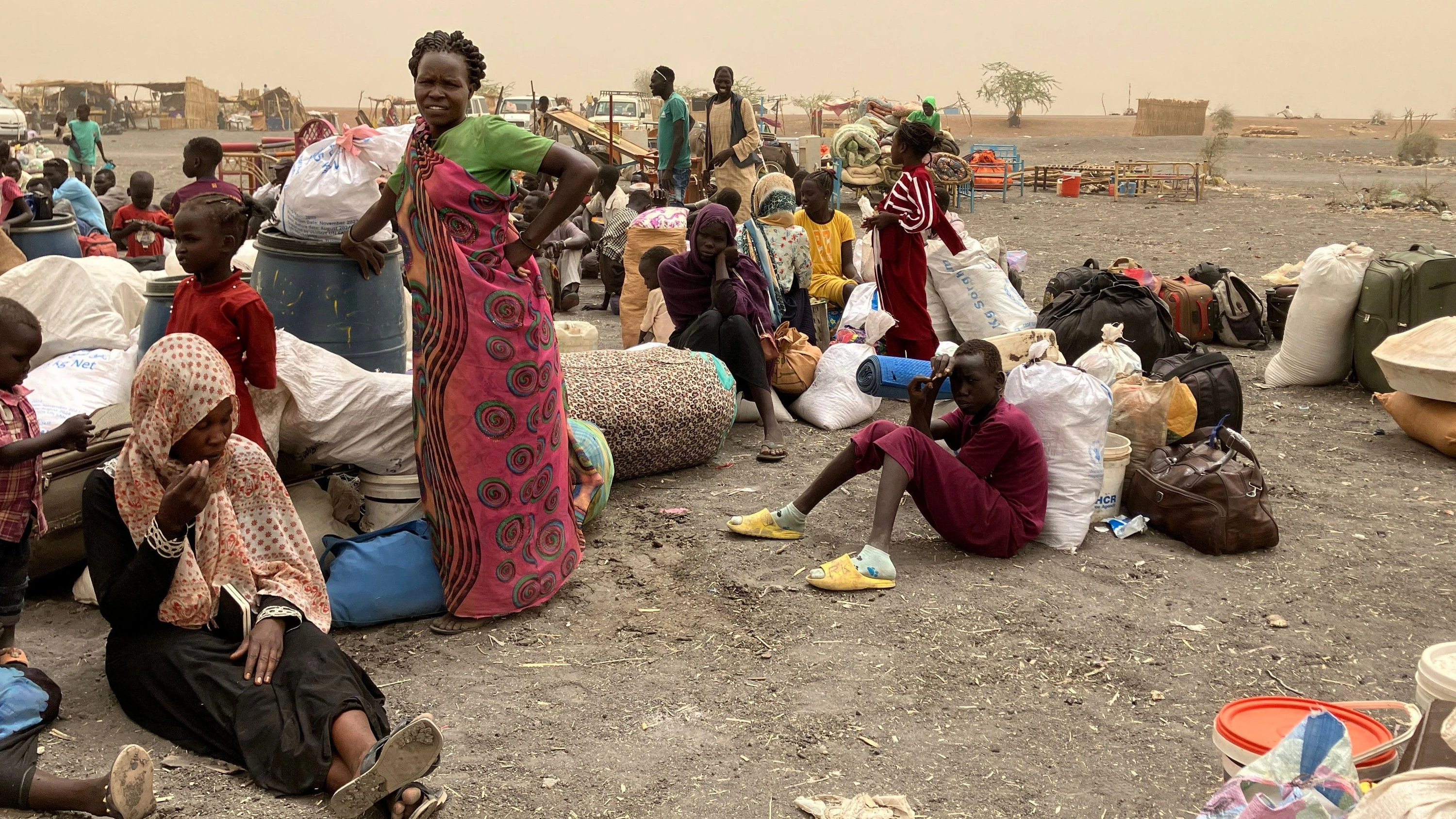
UN-Bericht: Zahl der Flüchtlinge erstmals seit zehn Jahren rückläufig 2025 waren weniger Menschen auf der Flucht als im Jahr zuvor. Das UN-Flüchtlingshilfswerk sieht dennoch keine Entspannung und warnt vor unsicheren Rückkehrorten.
faz · 4 months ago
UN-Bericht: Ungewöhnlich viele Geflüchtete kehren zurück Fast 15 Millionen Flüchtlinge traten 2025 die Rückreise in ihre Heimat an, eine sehr hohe Zahl im Vergleich mit früheren Jahren. Für viele Betroffene ist das keine gute Nachricht.
sueddeutsche · 4 months ago
Enige overlevende vliegramp hoopt jaar na Air India-crash op eerlijke antwoorden De enige overlevende van het ongeluk met een vliegtuig van Air India, morgen een jaar geleden, hoopt eindelijk duidelijkheid te krijgen. "Er zijn nog zoveel onbeantwoorde vragen", zegt hij over het ongeluk waar 260 mensen bij om het leven kwamen.
rtl nieuws · 4 months ago