Loading…
 Saturday, September 26Saturday, September 26
5 months · 16 summary articles
The European Union marked World Refugee Day on Saturday with stark divisions laid bare over its shifting asylum policies, as new data revealed a 68% drop in refugee arrivals to the bloc while global displacement surged. For the first time in a decade, the number of asylum seekers reaching EU member states has declined, yet the United Nations High Commissioner for Refugees (UNHCR) warned this trend masks a dangerous reality: forced returns to unsafe conditions and a compromised right to asylum under the EU’s tightening legal framework .
The EU Parliament’s approval this week of so-called “return hubs”—offshore centers for rejected asylum seekers and undocumented migrants—has crystallized the bloc’s pivot toward deterrence. French President Emmanuel Macron publicly opposed the plan, stating France would not participate in establishing such facilities in third countries . Meanwhile, German Interior Minister Markus Dobrindt faces criticism from Green Party lawmaker Filiz Polat for championing a system modeled on the Trump administration’s deportation policies .
Critics argue the EU’s approach contradicts its founding values. “With the new norms, the right to asylum in the EU is compromised,” said Italian and European NGOs in a joint statement on Saturday . Austrian and EU officials had previously cited falling asylum applications as validation of their restrictive stance, but humanitarian groups countered with calls for “protection over isolation” .
The shift comes as 68% of the world’s refugees are hosted in low- and middle-income countries, according to UNHCR data, with only a fraction reaching Europe’s borders. The agency emphasized that declining EU numbers do not reflect reduced global need but rather the impact of accelerated repatriations—often to regions still grappling with conflict or instability .
As the EU entrenches its externalization strategy, the humanitarian sector warns of long-term consequences. “This is not a solution—it’s a surrender to fear,” said a spokesperson for Caritas Europa. With the bloc’s asylum system increasingly resembling offshore detention models, the debate over Europe’s moral and legal obligations has never been more urgent.
Follow us for live European news
1 further source not geolocated

Eπιδημία Έμπολα στo Κονγκό: 993 επιβεβαιωμένα κρούσματα, 245 θάνατοι Ο Έμπολα έχει στοιχίσει τη ζωή σε τουλάχιστον 15.000 ανθρώπους στην Αφρική τα τελευταία πενήντα χρόνια, με τον δείκτη θνητότητας της ασθένειας να κυμαίνεται μεταξύ του 25 και του 90
protothema · 3 months ago
Drogen: Je kommerzieller der Cannabis-Markt, desto höher das Risiko Zwischen hartem Verbot und freiem Verkauf: Forscher haben die Cannabis-Politik verschiedener Länder analysiert. Für die gesundheitlichen Risiken scheint die Art der Legalisierung entscheidend zu sein.
handelsblatt · 3 months ago
Fiecare întrebare pusă inteligenței artificiale are un cost real. Avertismentul ONU despre consumul uriaș de resurse Inteligența artificială ar putea consuma, până în 2030, aproape 3 din electricitatea globală și cantități uriașe de apă, comparabile cu necesarul anual al celor 1,3 miliarde de locuitori din Africa Subsahariană, avertizează un raport al ONU. Într-un interviu pentru Live Science, Kaveh Madani, coordonatorul principal al studiului și director al Institutului Universității Națiunilor Unite pentru Apă, Mediu și Sănătate, a explicat de ce fiecare prompt, imagine sau videoclip generat de AI are un impact real asupra mediului.
digi24 · 3 months ago
„Nu este bine. Guvernul de la Moscova susține că sunt prea mulți ruși cu studii superioare. Ce probleme invocă Rusia se confruntă cu un surplus de persoane cu studii superioare, iar interesul ridicat al elevilor pentru universități nu mai corespunde cerințelor pieței muncii, a declarat ministrul Educației și Științei, Valeri Falkov. În opinia sa, situația reprezintă o problemă pentru economie, relatează The Moscow Times.
digi24 · 3 months ago
Magnifica Humanitas: indicações essenciais não materializáveis sem discernimento Esperemos que esta encíclica seja um ponto de partida para que os políticos façam uma reflexão em torno das questões que o Papa elencou. Pode ser que ainda vão a tempo, mas este está-se a esgotar… Opinião de Eduardo Marçal Grilo
publico · 3 months ago
Universidades de investigação ou fábricas de produção de diplomas? É verdadeiramente notável como um só ministério consegue degradar um dos pilares do Portugal democrático – só prova que destruir é muito mais fácil do que construir. Opinião de Mário A. Barbosa
publico · 3 months ago
Batterilager kan lösa elproblemen Det finns idag en teknik för att möta problemen i elsystemet utan lång tidshorisont, och det är storskalig batterilagring. Det som krävs nu är politiska beslut som speglar den insikten, skriver Axel Holmberg, vd för Ingrid.
svenska dagbladet · 3 months ago
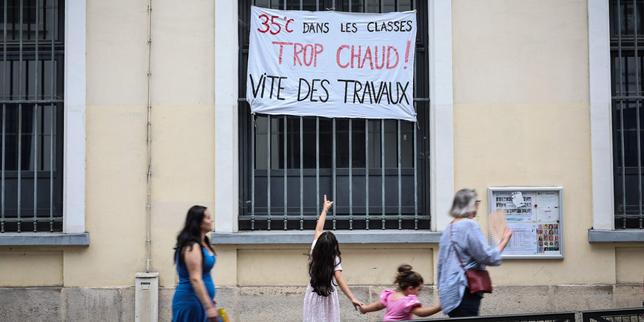
Canicule : le grand bricolage de léducation nationale, symbole de linadaptation de la France au réchauffement climatique Horaires aménagés voire établissements fermés, familles incitées à garder leurs enfants, oraux dexamens reportés et multiplications des cellules de crise dans les mairies et les rectorats… Ces derniers jours, et alors que les prochains sannoncent encore plus chauds, un sentiment dimprovisation prévaut. Aucune mesure nationale na été prise.
le monde · 3 months ago
Συμφωνία κυβέρνησης με τα συνδικάτα στη Βολιβία, λήξη των μπλόκων μετά από έξι εβδομάδες κινητοποιήσεων Η συνομοσπονδία COB ανακοίνωσε την άρση των μέτρων πίεσης μετά τη συμφωνία με τον πρόεδρο Ροδρίγο Πας, σε μια πρώτη προσπάθεια αποκλιμάκωσης της βαθιάς κοινωνικής κρίσης
protothema · 3 months ago
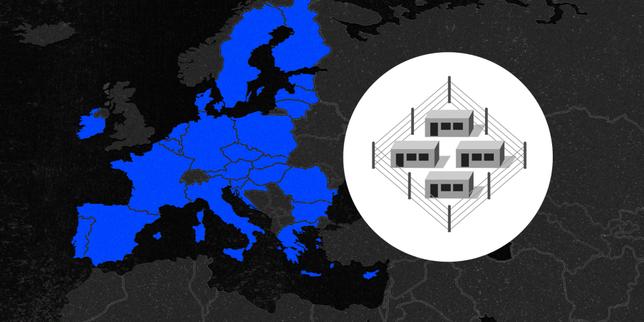
Que sont les « hubs de retour » approuvés par le Parlement européen ? Comprendre en trois minutes LUnion européenne a adopté un nouveau règlement qui prévoit une série de mesures pour durcir la politique migratoire européenne et ouvrir la voie à des centres de retour de migrants.
le monde · 3 months ago

Face aux milices xénophobes, limpuissance résignée de lÉtat sud-africain La nation arc-en-ciel connaît une violente vague de xénophobie, portée par un marasme économique profond. Et des groupuscules racistes se transforment en milices. Sous le regard passif de lÉtat, détaille New Lines Magazine, celles-ci contrôlent laccès aux services publics tels que les écoles et les cliniques, dont les ressortissants étrangers se font souvent refouler.
courrier international · 3 months ago

Politiker von Bündnis Deutschland spendet für Schwimmunterricht – Schule überweist Geld zurück In Bremerhaven fehlten einer Schule 150 Euro für den Schwimmunterricht. Ein Politiker von Bündnis Deutschland erfuhr davon und überwies den fehlenden Betrag. Dann erhielt er eine E-Mail von der Schulleiterin – und sein Geld zurück.
welt.de · 3 months ago

„Alleine die Debatte stiftet Verunsicherung im Wohnungsbau, sagt Hubertz über Enteignungen Debatten über die Vergesellschaftung großer privater Immobilienunternehmen wie in Berlin hält Bauministerin Hubertz nicht für zielführend. Vergesellschaftungen würden im Gegensatz zu Investitionen keinen neuen Wohnraum schaffen.
welt.de · 3 months ago

Der Traum vom deutschen Harvard bescherte uns nur viele kleine Harvardchen Seit zwei Jahrzehnten gibt der Bund viel Geld aus, um mit der „Exzellenzstrategie deutsche Elite-Universitäten zu schaffen. Gelungen ist es nicht. Zwei Gründe sind Bürokratie und ökonomische Unfähigkeit. Woran der Plan sonst noch scheitert.
welt.de · 3 months ago

Pacientes y autonomías pagan la factura de las huelgas médicas sin que Mónica García haya logrado frenarlas Millones de actos médicos reprogramados y un recibo que superará los 400 millones de euros son el coste del choque de 177.000 médicos contra el anteproyecto del Estatuto Marco de Sanidad Leer
elmundo · 3 months ago
Sana pede revisão do contrato de concessão e não paga renda pelo Quartel da Graça Grupo hoteleiro já devia ter entregado ao Estado mais de quatro milhões de euros pela concessão do Quartel da Graça. Agora, pediu uma revisão do contrato, propondo reequilíbrio financeiro.
publico · 3 months ago
Cè una Napoli diversa nel nuovo disco di Roberto Colella: niente retorica, solo il tentativo di restare umani Per scegliere il titolo del suo disco Roberto Colella è andato dal fruttivendolo. Non è una battuta. Ce sta sempe na via ha superato quello che lui chiama il test del quartiere: il parere del panettiere, dei commercianti della zona e di tre diversi Tony che lavorano nella strada dove vive, nella periferia della periferia […] Larticolo Cè una Napoli diversa nel nuovo disco di Roberto Colella: niente retorica, solo il tentativo di restare umani proviene da Il Fatto Quotidiano.
il fatto quotidiano · 3 months ago
Lifeguard shortages persist at beaches Lifeguard shortages continue to affect Cyprus beaches, with the most acute staffing gaps reported in Limassol and Paphos, the interior ministry said on Friday. Speaking to the Cyprus News Agency (CNA), Andreas Karvounis, an officer with the ministrys beach safety unit, described the recurring difficulty in filling the approximately 380 lifeguard positions jointly funded by […]
cyprus mail · 3 months ago
Jaren na corona nog altijd te weinig ic-bedden, nu minder dan tijdens pandemie Er zijn in Nederland nog altijd te weinig ic-bedden. Dat blijkt uit cijfers van ministerie van Volksgezondheid en de Nederlandse Vereniging van Intensive Care (NVIC). De Tweede Kamer wil dat er 1150 ic-bedden zijn, maar momenteel hebben de ziekenhuizen er minder dan tijdens de coronapandemie.
rtl nieuws · 3 months ago
Digitale Infrastruktur: Mehrheit will Rechenzentren, fordert aber grüne Lösungen Rechenzentren boomen – doch fast die Hälfte der Deutschen sieht den Stromhunger kritisch. Warum trotzdem viele den Ausbau befürworten und was sie jetzt fordern.
tagesspiegel · 3 months ago
Drogen: Je kommerzieller der Cannabis-Markt, desto höher das Risiko Zwischen hartem Verbot und freiem Verkauf: Forscher haben die Cannabis-Politik verschiedener Länder analysiert. Für die gesundheitlichen Risiken scheint die Art der Legalisierung entscheidend zu sein.
tagesspiegel · 3 months ago
Worlds Richest 10 Are Costing Earth Trillions, New Study Shows The worlds richest 10 of consumers are costing Earth trillions of dollars in environmental damage every year, according to a new study published in Communications Sustainability. The wealthiest tenth of the global population caused between $1.7 trillion and $5.7 trillion in harm in 2017 alone, the research found. The study was led by Inge Schrijver […]
greek reporter · 3 months ago
Giornata del rifugiato: lo strabismo dellEuropa che si chiude ma lemergenza è altrove Il 68 accolto in Paesi a basso e medio reddito. I numeri sono in calo per la prima volta in 10 anni, ma per Unhcr molto si deve a rimpatri e ritorni anche in contesti non sicuri. Preoccupate le ong italiane e europee: Con le nuove norme, in Ue diritto dasilo compromesso
corriere · 3 months ago

Teatro do Punho Erguido Há décadas que conhecemos os bloqueios que travam o crescimento do país. Portugal não sofre por falta de diagnósticos. Sofre por excesso de cobardia política.
observador · 3 months ago

Será possível um Portugal resiliente ao fogo? O verão que agora se inicia testará, mais uma vez, os limites do nosso país. Portugal tem a competência, a tecnologia e o sentido de missão para liderar esta mudança estrutural.
observador · 3 months ago

Os salários não são o problema português Continuamos a querer os resultados de uma economia avançada sem criar, de forma consistente, os incentivos que a produzem.
observador · 3 months ago

Uma reforma com conteúdo ou mais um tempo perdido? Os operadores TVDE não pedem tratamentos especiais. Pedem apenas regras justas, equilibradas e adequadas à realidade do sector.
observador · 3 months ago
Criminalizar palavras A necessidade de criminalização da palavra é algo de evidente para uns e de muito lamentável para outros. Faço parte dos outros. Opinião de Francisco Teixeira da Mota
publico · 3 months ago
HENRIK JOHAN KITT ⟩ Miks ikka veel ülikooli? Üha enam levib arvamus, et kõrgharidusega noortel on pea võimatu jalga ukse vahele saada. LHV suvisele praktikaprogrammile laekus 2024. aastal 1685 sooviavaldust, kuid pakkuda oli vaid 43 kohta. Pole ime, et tekib küsimus, milleks investeerida aastaid kõrgharidusse, kui diplom ei näi enam avavat ust isegi karjääri alguses?
postimees · 3 months ago

„Dobrindt hilft dabei, die EU in ein Trump-ähnliches Abschiebesystem zu führen Grünen-Politikerin Filiz Polat kritisiert die in der EU geplante Einrichtung sogenannter Return Hubs für Flüchtlinge scharf. Treibende Kraft hinter dem harten Abschiebekurs nach US-Vorbild sei Deutschlands Innenminister.
welt.de · 3 months ago