The United Kingdom has refused Caribbean demands for slavery reparations at the Commonwealth summit in Antigua while expressing openness to a formal apology.
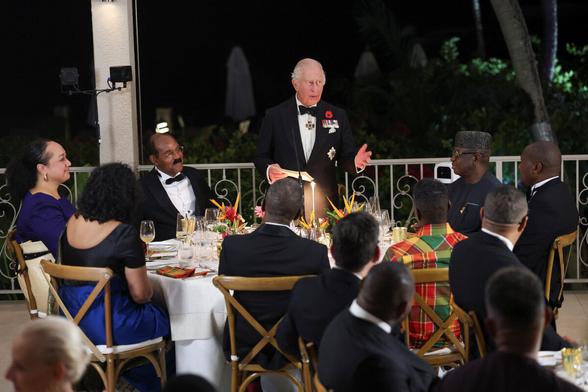
King Charles III opened the meeting of 56 Commonwealth states on Tuesday by calling the transatlantic slave trade "monstrous" and "shocking." He said his "heart is full of horror and my soul deeply shaken." But he did not use the word "sorry." He added that current British generations could not be held responsible for crimes of their ancestors. "We cannot change the deeds of those who lived before us," he said. "But we can learn from the past." He then praised the Royal Navy's role in ending the slave trade.
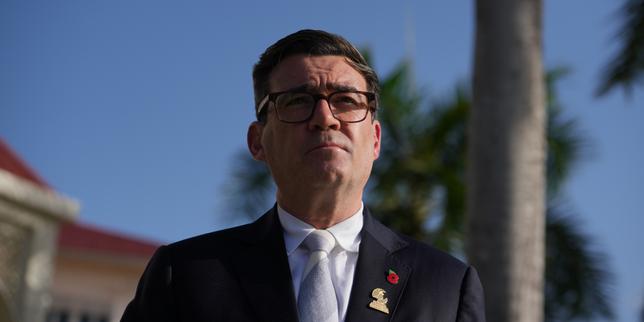
Prime Minister Andy Burnham ruled out reparations but said a formal apology was open for discussion. "I do not believe that Britons today can be held liable for historical evils, however terrible, that took place in another era under different laws," he wrote. He noted the British Empire also played a leading role in abolishing the slave trade. Burnham proposed a structured dialogue with Caribbean nations within 12 months, with a framework established by the end of this year or early next year. He announced £40m for critical infrastructure in the Caribbean over three years and proposed debt resets for smaller Commonwealth nations.
Caribbean leaders insisted reparations must remain part of the dialogue. Gaston Browne, Prime Minister of Antigua and Barbuda, said there was consensus on a way forward but reparations must be included. He said the region would not make "unreasonable demands on the United Kingdom" and praised Burnham for being "very assertive" in addressing the issue. Dorbrene O'Marde, chair of Antigua and Barbuda's Reparations Commission, called the King's words insufficient. Ralph Gonsalves, former Prime Minister of St Vincent and the Grenadines, said debt relief and aid cannot replace reparations. The Caribbean Community's reparations commission has drawn up a 10-point plan asking for debt cancellation and monetary compensation.
Foreign Secretary Ed Miliband said previous British governments had tried to sweep the issue under the carpet. He told the BBC the new policy was open to an apology that would cost taxpayers no penny. Miliband signaled Britain could formally apologize by next year's G20 summit.