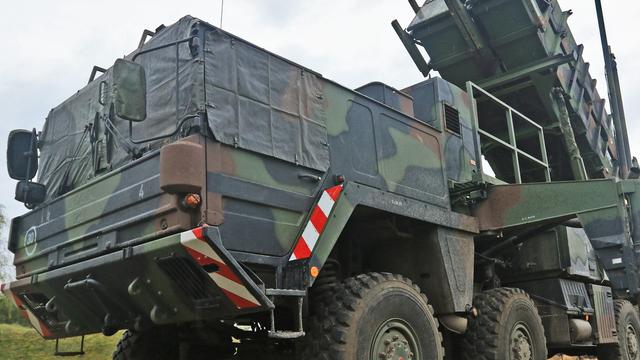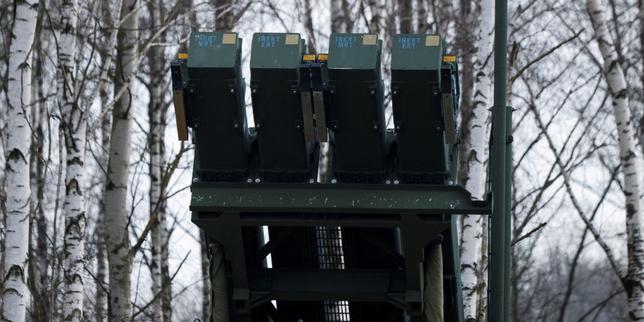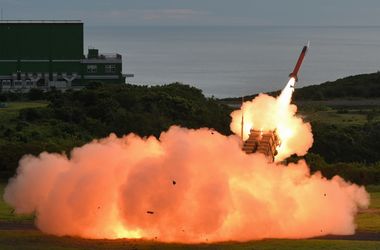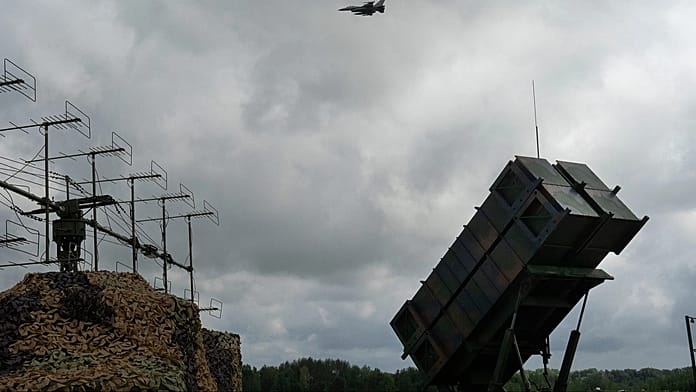
The U.S. State Department approved a $2.1 billion sale of 500 PAC-3 MSE Patriot interceptor missiles to Ukraine on Oct. 30.
The package includes spare parts and logistical support, with financing from Canada, Germany, Norway, and Ukrainian funds backed by an EU loan. No U.S. government money is involved. The sale, announced by the State Department, must still clear a 30-day congressional review, and deliveries are not expected before 2030.
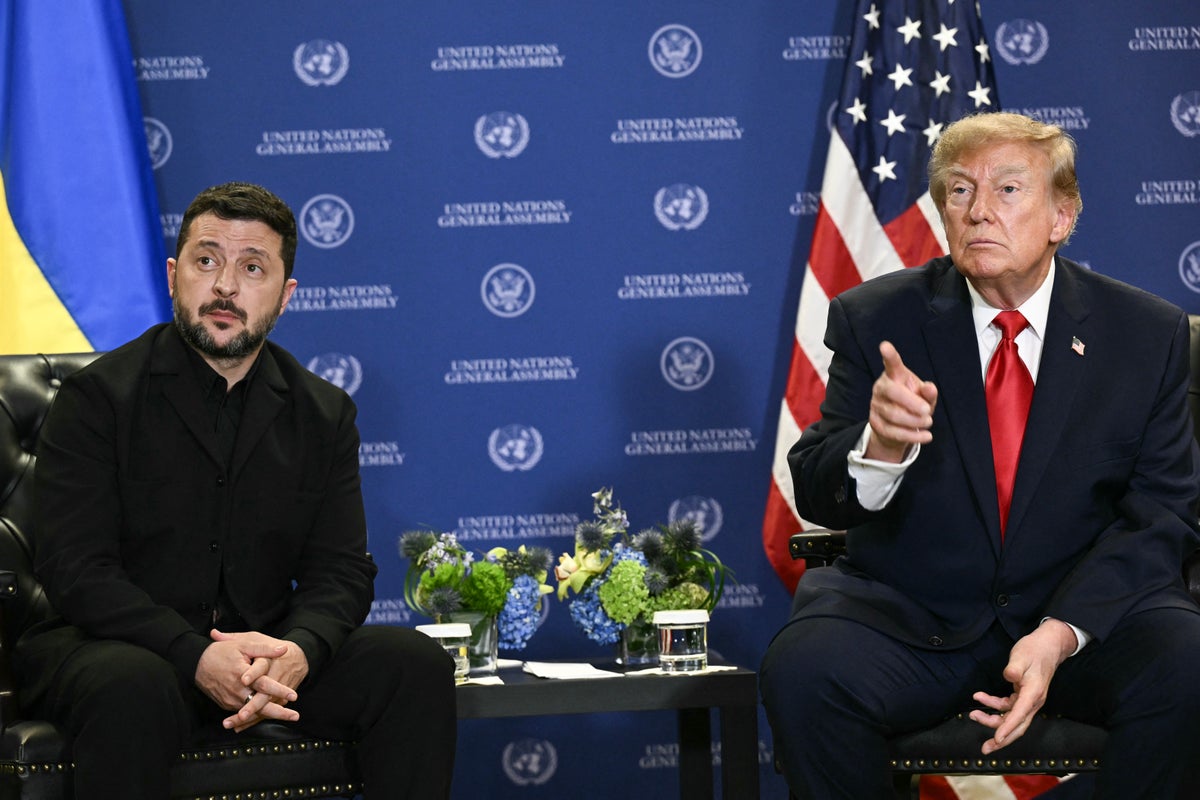
President Volodymyr Zelensky welcomed the decision but warned the missiles may arrive “only in a few years,” while Ukraine needs them this winter to defend energy infrastructure against Russian strikes. He urged the U.S. and allies to provide interceptors from existing stockpiles now and replenish them later through the new contracts. “We are asking our American partners to find a solution for the time when there is a real danger and a real need to use PAC-3 interceptors,” Zelensky said on social media .
NATO’s Supreme Allied Commander Europe, General Alexus Grynkewich, said on Oct. 30 that deliveries of American-made weapons purchased by European allies under the NATO-coordinated Prioritized Ukraine Requirements List have continued without delays. “Everything has been delivered, in fact, we just had the delivery within the last week,” Grynkewich told reporters in Riga .
Zelensky has repeatedly raised concerns about delays in U.S. authorization for air defense missiles. On Oct. 18, he said Ukraine received an average of 12 Patriot interceptors per month in 2026, far below the 150 needed monthly to counter Russian ballistic missile attacks. He also noted Ukraine had been waiting nearly a month for U.S. Defense Secretary Pete Hegseth to approve transfers of Patriot and NASAMS missiles from allied countries .
Lockheed Martin, the primary contractor, has said it aims to increase production to 2,000 PAC-3 MSE missiles annually by 2030, but global demand and existing U.S. commitments have created long lead times. The missiles have not yet been manufactured, and sources familiar with the matter told Radio Svoboda that deliveries are unlikely before 2030 .