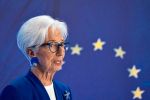
Christine Lagarde will resign as president of the European Central Bank on February 7, nine months before her term was due to end on October 31, 2027.
The ECB announced the decision on Thursday, with Lagarde, 70, stating she sought “the freedom of speech, the freedom of expression, and the freedom to engage on matters that are not monetary policy matters.” She added that she no longer felt comfortable with the political neutrality required of the role. The former French finance minister and International Monetary Fund head took office in November 2019, succeeding Mario Draghi.
Her departure accelerates the selection of a successor, with European Council President Antonio Costa stating the process would begin immediately. Analysts noted the timing allows EU leaders to appoint her replacement while French President Emmanuel Macron remains in office, reducing the risk of far-right influence if Marine Le Pen wins the 2027 election. Holger Schmieding of Berenberg bank said the move “does not change the outlook for ECB policies.”
Lagarde’s tenure included a 1.35 trillion euro emergency bond-buying program during the pandemic and an aggressive rate hike cycle to combat inflation, raising the deposit rate from -0.5% to 4% before cuts began in 2024. She also oversaw a monetary policy review and work on a digital euro.
The resignation coincides with the impending departures of two other top ECB officials: Isabel Schnabel, leaving January 3 for the IMF, and chief economist Philip Lane, whose term ends May 31. EU leaders are expected to negotiate a package deal for all three posts before a December 17-18 summit. Leading candidates for Lagarde’s role include former Dutch central bank head Klaas Knot and Spain’s Pablo Hernandez de Cos, general manager of the Bank for International Settlements.
French President Macron praised Lagarde’s leadership and called for an orderly succession process. German economists Marcel Fratzscher and Clemens Fuest welcomed her decision, while Markus Ferber, a German MEP, questioned whether the ECB was compromising its independence by aligning with election timelines. Lagarde has not confirmed her next role, though reports suggest she may lead the World Economic Forum.