Loading…
 Monday, September 21Monday, September 21
2 months · 9 summary articles
Hundreds of migrants have entered Spain's north African territory of Ceuta from Morocco in recent days, leading to a declaration of a "total humanitarian and social emergency" by local authorities. The president of Ceuta, Juan Jesus Vivas, made the announcement on Thursday, highlighting the overwhelming situation as reception centers reach full capacity.
According to reports, more than 1,500 migrants, including adults and minors, have arrived in Ceuta by sea in the past few days. Local television images show migrants swimming around the frontier and running into the town. The influx has saturated reception centers, with facilities for unaccompanied minors operating at 2,400 percent capacity.
The Spanish interior ministry has responded by increasing resources to manage the situation. Interior Minister Fernando Grande-Marlaska is scheduled to travel to Ceuta on Friday to monitor the situation and meet with local officials. The ministry has also emphasized that Moroccan security forces are working closely with Spain to prevent further arrivals.
The situation has drawn comparisons to the migration crisis in May 2021, when thousands of migrants entered Ceuta. However, local police and Civil Guard members have warned that the current situation is even more critical, with some describing it as "worse than the May 2021 migration crisis."
The Spanish government has stated that it is acting in coordination with various ministries to respond with speed and efficiency. The focus is on ensuring security, controlling migration, and providing necessary humanitarian aid to prevent loss of life at sea.
Local authorities in Ceuta have called for additional support from the central government, including the declaration of a national emergency. However, the Spanish interior ministry has stated that declaring a national emergency is not possible under current legislation, which does not consider migratory flows as a risk covered by the National Civil Protection System.
The influx of migrants has also highlighted the ongoing challenges of managing migration at the European Union's only land border with Africa. The situation in Ceuta and Melilla, another Spanish enclave in North Africa, remains a politically sensitive issue between Spain and Morocco.
Earlier this month, Spain's Supreme Court ruled that migrants intercepted at sea while attempting to reach Ceuta or Melilla cannot be summarily returned under the enclaves' special border-rejection regime.
As the situation develops, the Spanish government continues to work with Moroccan authorities to manage the flow of migrants and provide humanitarian assistance. The interior ministry has reiterated its commitment to ensuring the safety and well-being of all individuals involved.
Local police and Civil Guard members have described the situation as overwhelming, with some stating that they are "one step away from operational collapse." The emergency services have also declared themselves overwhelmed and are only providing assistance to the injured.
The cooperation between Spain and Morocco is crucial in managing the crisis. The Spanish interior ministry has stated that the Moroccan government is cooperating loyally and continuously with Spain to address the situation. Moroccan security forces are preventing the arrival of numerous people trying to reach Ceuta from Morocco.
Despite the challenges, the Spanish government remains committed to providing humanitarian aid and ensuring the safety of all individuals involved. The interior ministry has emphasized that the focus is on preventing loss of life at sea and providing necessary assistance to those in need.
Follow us for live European news
Las sirenas suenan en Polonia: un misil ruso invade el espacio aéreo de la OTAN e impacta junto a la ciudad de Lublin El régimen de Putin bombardea Ucrania con más de 70 misiles y uno de ellos atraviesa la frontera sin que aún se sepa si es un acto deliberado o un error Leer
elmundo · about 2 months ago

"Venid": la llamada que desató el asalto masivo de migrantes a Ceuta mientras los agentes denuncian la "falta de efectivos" y la "guerra híbrida" de Marruecos Sindicatos de policías y guardias civiles alertan de una situación "insostenible" Leer
elmundo · about 2 months ago
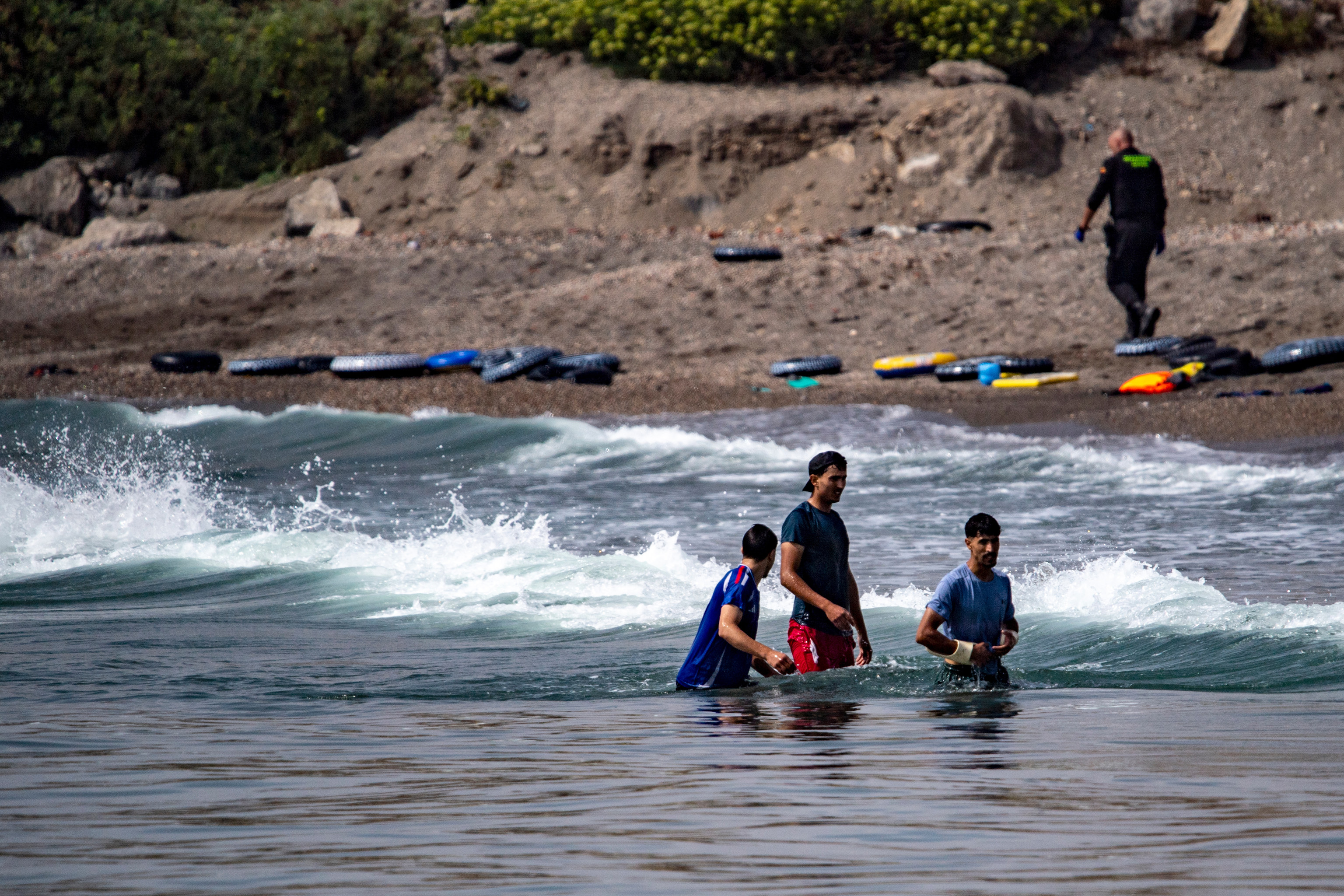
Interior pone el foco en las mafias y la sentencia del Supremo que impide las devoluciones en caliente y exculpa a Marruecos de la avalancha en Ceuta España y Marruecos se han comprometido a revisar e implementar medidas para la entrega, "lo antes posible", de todas las personas que han entrado ilegalmente Leer
elmundo · about 2 months ago

Una avalancha masiva de miles de migrantes en Ceuta desborda a las fuerzas de seguridad en la mayor crisis desde el choque con Marruecos en 2021 La Guardia Civil no puede hacer más que observar como familias enteras bordean el espigón fronterizo del Tarajal para alcanzar territorio español Leer
elmundo · about 2 months ago

Allerta a Ceuta per lingresso di massa di migliaia di migranti arrivati a nuoto Negli ultimi dieci giorni tra le 1.500 e le 2.000 persone hanno percorso oltre cinque chilometri per entrare nellenclave spagnola incastonata in territorio marocchino. Fra chi attraversa il mare a forza di braccia anche donne, bambini e intere famiglie. Almeno venti persone risultano disperse
corriere · about 2 months ago
Hunderte Migranten kommen in spanischer Exklave Ceuta an
orf.at · about 2 months ago
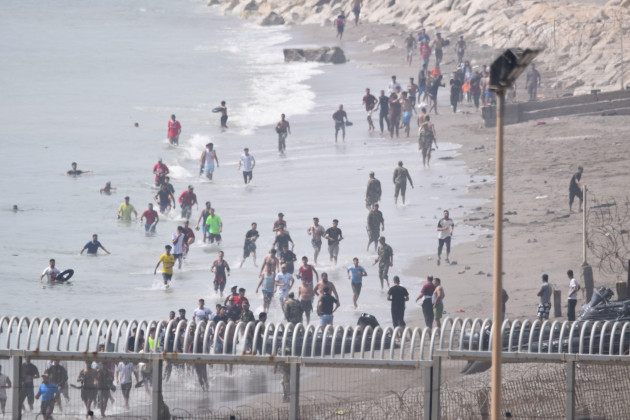
Hundreds of people swim round barriers and enter North African Spanish territory from Morocco The situation has already become a political issue at European Union level.
thejournal · about 2 months ago
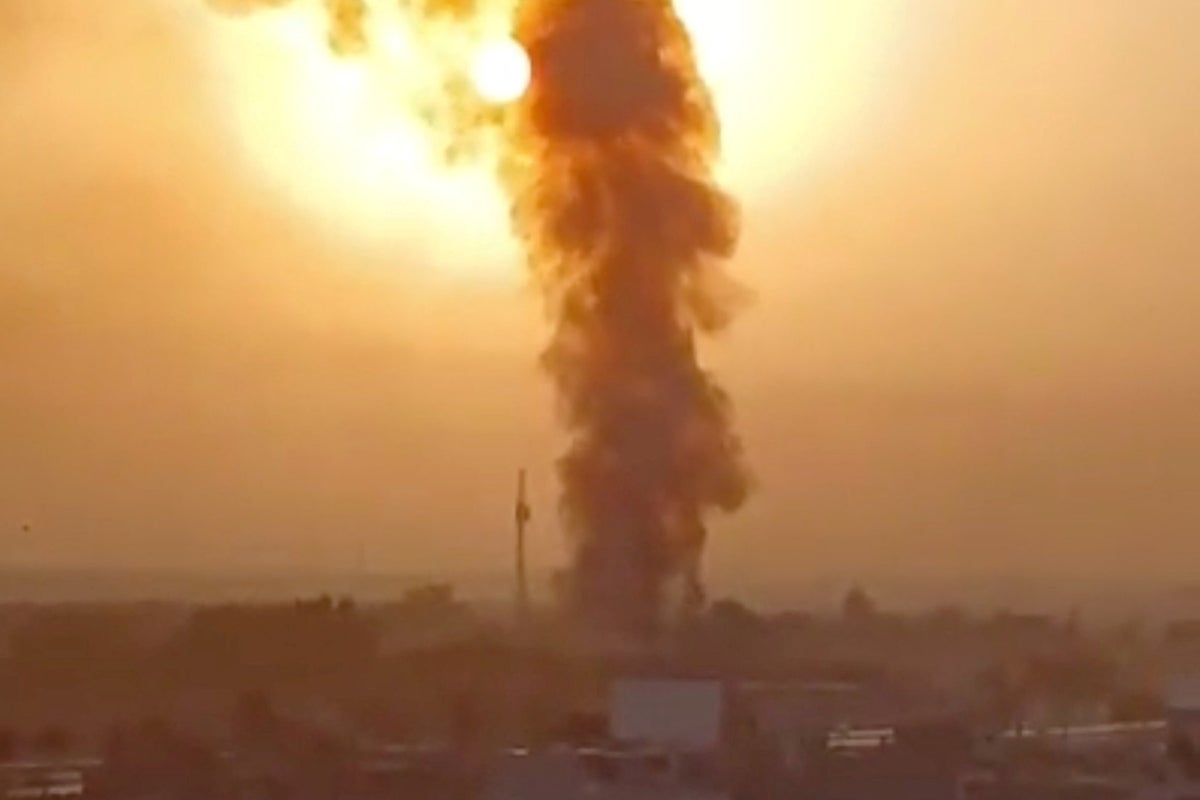
Mapped: All of the countries dragged into Trumps war in Iran The war has spread across the Middle East, with unprecedented disruption to global oil supplies and Gulf states being targeted by Tehran. Maira Butt looks at how the war has dragged in countries on several continents
independent · about 2 months ago
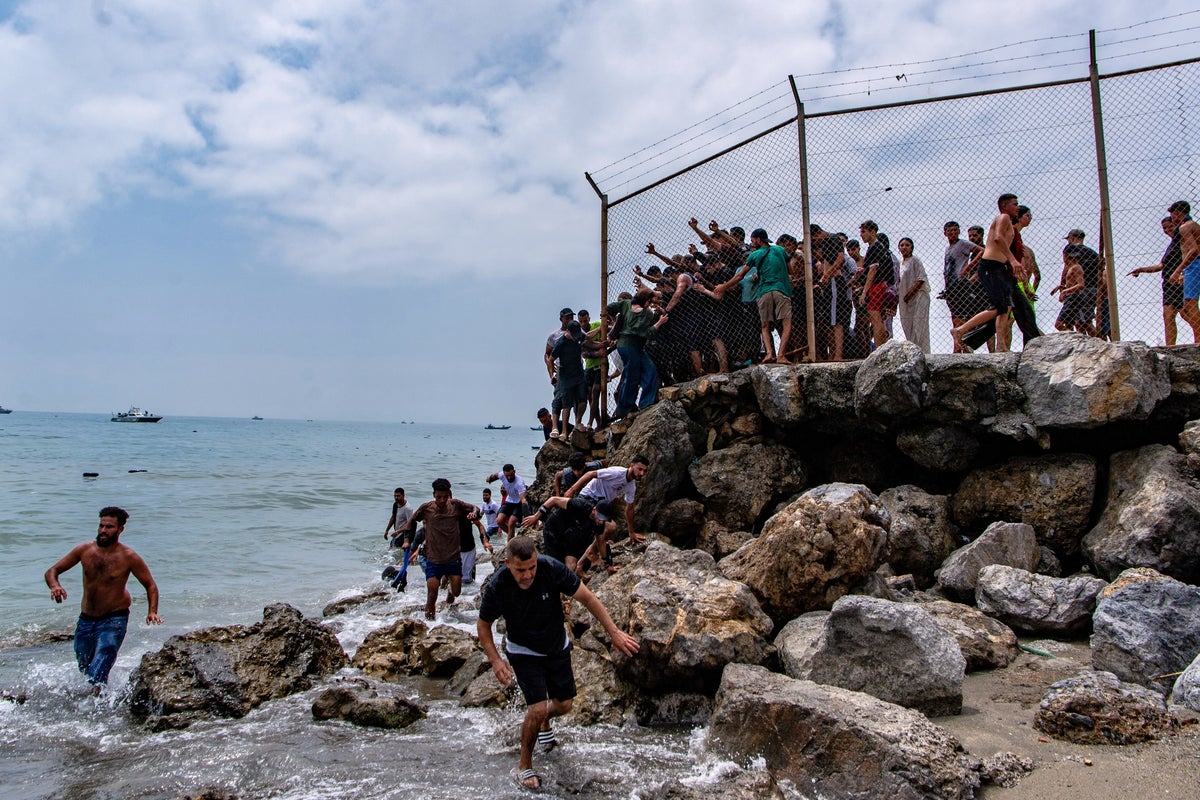
Ceuta: Spanish enclave calls for army as thousands of African migrants arrive from sea The head of Ceutas regional government called for the army to be deployed
independent · about 2 months ago
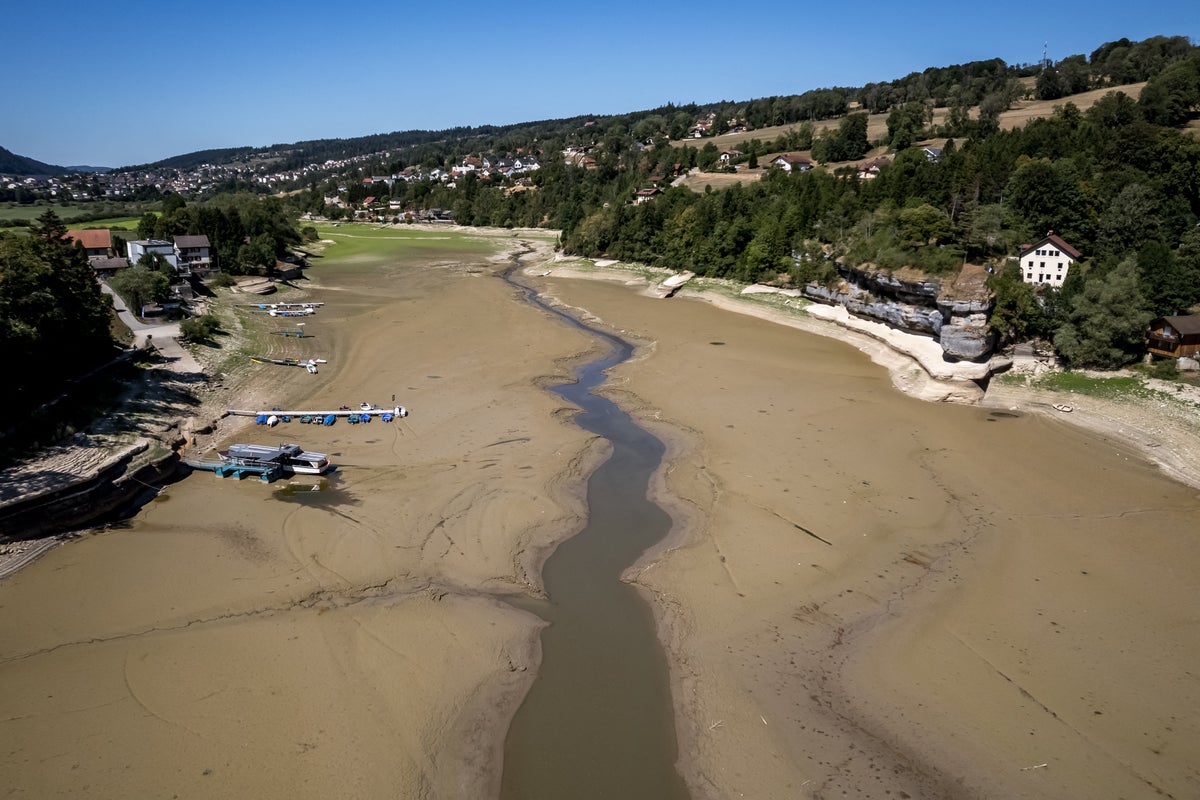
Instagram famous lake on Swiss border left empty by brutal heatwaves Local tourist boat owners have had to lay off staff during the busy season
independent · about 2 months ago
Rhine reaches lowest water level ever recorded at Dutch border The Rhine River has officially dropped to its lowest water level ever recorded at the Dutch border entry point.
nltimes.nl · about 2 months ago
Its Killing Your Country: Trump Blasts Migrant Invasion of Europe
gdeltproject.org · about 2 months ago
Hundreds of migrants enter Spains north African territory Ceuta from Morocco The president of Spains north African exclave Ceuta on Thursday warned of a "total humanitarian and social emergency" after hundreds of migrants entered the territory by swimming across from neighbouring Morocco in recent days.
france24 · about 2 months ago
Spanish police warn of collapse in Ceuta over mass migrant influx from Morocco: We are overwhelmed The exclave citys local leader, Juan Vivas, has called on Spains central government to help, calling the situation a total humanitarian and social emergency. In recent days police have recovered more than 25 bodies of migrants who drowned trying to swim to the city
elpais · about 2 months ago
Four migrants found dead in attempted Channel crossings So far this year, 14 people have died trying to cross the Channel, compared to at least 29 in 2025.
le monde · about 2 months ago

🔴 BREAKINGSudans RSF vows to return to KhartoumThe Rapid Support Forces (RSF) in Sudan have released a video featuring leader Mohamed Hamdan Dagalo, also known as Hemedti. In the footage, he explicitly orders his forces to seize the capital city of Khartoum, signaling an escalation in the ongoing conflict.📰 #Geopolitics #GeoWire
mastodon bot · about 2 months ago
![[lalibre] "Urgence humanitaire" en Espagne après lentrée massive et illégale de migrants #Europe](https://media.mstdn.social/cache/preview_cards/images/105/737/944/original/fb3e26c0427f2a1f.jpg)
[lalibre] "Urgence humanitaire" en Espagne après lentrée massive et illégale de migrants #Europe
mastodon bot · about 2 months ago
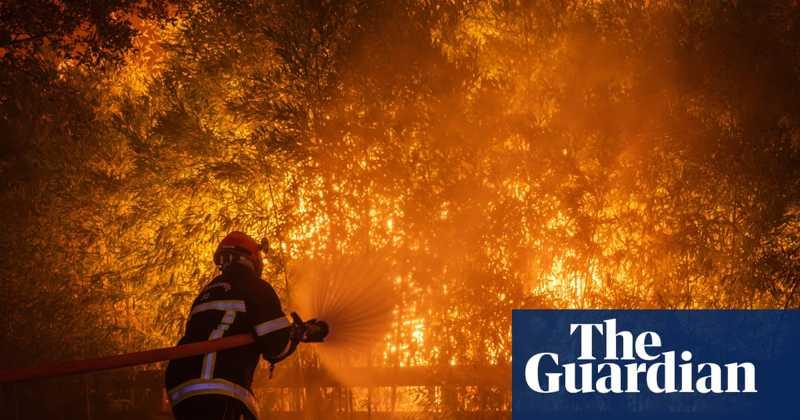
Europe burns: a visual guide to the wildfiresFerocious flames continue to rage in parts of France and Spain, with no sign of abating. We chart the destruction in graphics and pictures #News #Europe #Spain #France
mastodon bot · about 2 months ago

Migrants swarmed into Spains North African enclave of Ceuta, overwhelming police at the citys breakwater, after swimming over from the Moroccan side, Spains Guardia Civil police said reut.rs/4hzI2mo
bluesky_Reuters · about 2 months ago
Exclusive: Yemens Iran-aligned Houthis attacked Saudi Arabia this week from Iraqi territory in coordination with Iraqi armed groups, according to assessments by Saudi Arabia and regional partners, reflecting growing coordination among Iran-aligned militias, region officials said reut.rs/4pOcsmT
bluesky_Reuters · about 2 months ago

Drought leaves Swiss border lake popular with tourists all but drained reut.rs/3TtR9Lx
bluesky_Reuters · about 2 months ago
🛶🇪🇸👮 - Spains enclave of Ceuta has declared an "Absolute Migratory Emergency" after a massive surge of illegal migrants flooded the Spanish enclave yesterday and breached the border fence today without control. Ceutas government demanded that Spain declare a national emergency and send the military to suppress the crisis. @GeoPWatch
telegram_GeoPWatch · about 2 months ago
NEW: Chaos erupts as thousands of migrants enter Spains north African territory Ceuta from Morocco @insiderpaper
telegram_Insider Paper · about 2 months ago
MASS MIGRATION: Insane footage shows thousands of migrants entering Spain from Morocco @insiderpaper
telegram_Insider Paper · about 2 months ago
New Spain fire forces evacuation of 800 near Portugal border READ: Follow @InsiderPaper for more news
telegram_Insider Paper · about 2 months ago
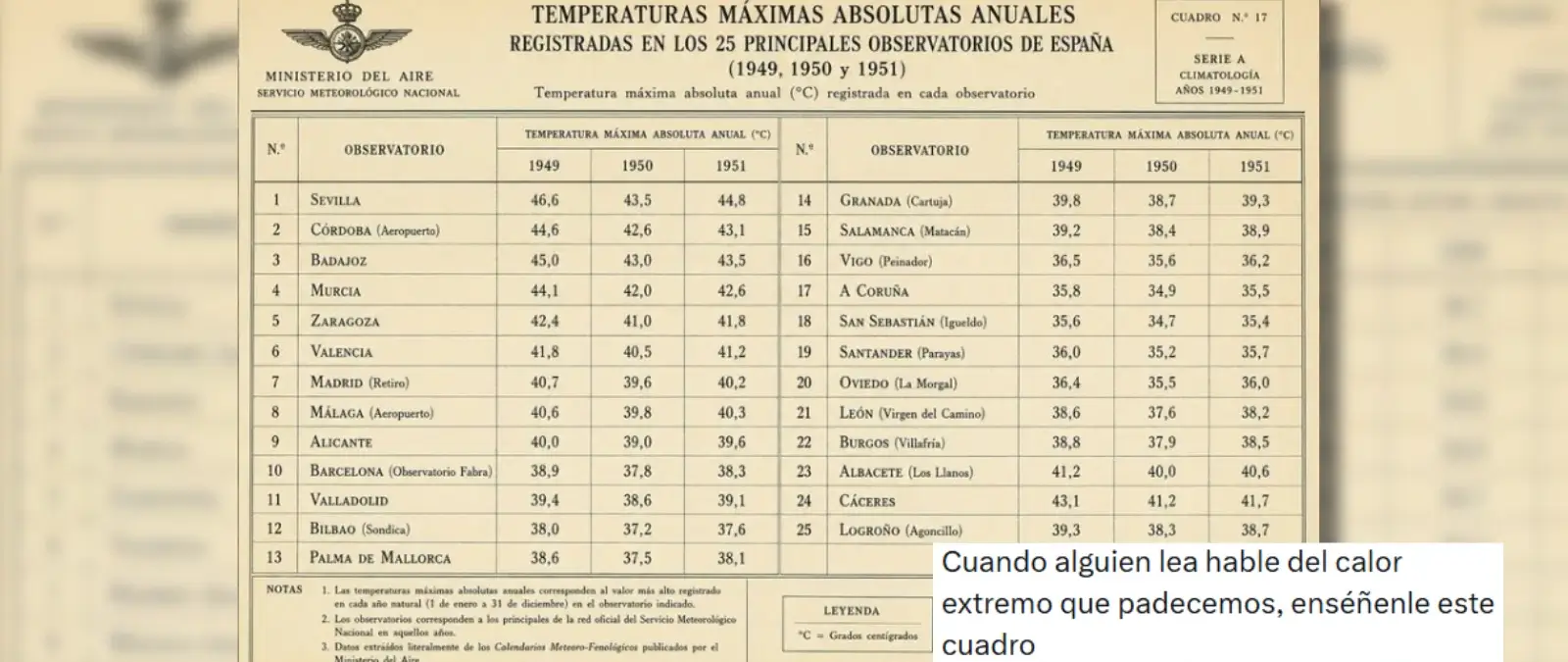
No, esta imagen no muestra las temperaturas máximas anuales de 1949 a 1951 en España: los datos no coinciden con los oficiales y se ha creado con IA Resultado tras usar la herramienta de OpenAI que permite comprobar si un contenido ha sido generado con alguna de sus herramientas de IA. Este recurso detecta la marca de agua SynthID, una tecnología desarrollada por Google imperceptible para el ojo humano que identifica contenidos creados con IA. ℹ️ Circula una supuesta tabla antigua con temperaturas muy altas.➡️ Hemos revisado los datos y todos, salvo los de una estación, son FALSOS.💡Si fueran verdaderos no negarían el cambio climático: antes también había olas de calor, pero ahora son más frecuentes e intensas. pic.twitter.com/hUP9ePN2sS— AEMET (@AEMET_Esp) July 30, 2026 Un valor extremo absoluto es , según la AEMET, el valor más alto o más bajo registrado por una estación meteorológica durante un periodo determinado. Se calcula por mes o año en un conjunto de observatorios preseleccionados. Al comparar las temperaturas máximas absolutas de la imagen viral con las de las publicaciones originales, la mayoría de los valores son distintos.Por ejemplo, para la supuesta columna de 1949, la imagen que circula atribuye a Sevilla 46,6ºC, mientras que la tabla oficial del año agrícola 1948-1949 registra 45,6ºC (descargado de aquí). Comparación de las temperaturas del año 1948-1949Hay datos aislados que sí coinciden en el año 1950, como los 43,5 ºC de Sevilla, pero esto no ocurre en el resto de los casos. Además, según cuenta AEMET a Maldita.es, los datos del observatorio sevillano de la Iglesia de la Anunciación han sido considerados erróneos por AEMET desde hace décadas ya que el instrumento que medía la temperatura se encontraba en la terraza, recibiendo la radiación solar. La imagen también modifica los nombres de varias estaciones respecto a los que aparecen en los calendarios originales. Por ejemplo, en la tabla se indica Logroño (Agoncillo), pero los calendarios recogen Logroño (Observatorio). También aparece Málaga (Aeropuerto), aunque la estación se llamaba Málaga (Instituto). Otro supuesto observatorio es Córdoba (Aeropuerto), aunque el Aeropuerto de Córdoba no se inauguró hasta 1958. Y el término A Coruña, como aparece en la tabla que circula, no se aprobó hasta 1983 a través de una ley autonómica que reconocía este nombre a la capital de la provincia. En 1950, el nombre oficial era La Coruña.Datos reales frente a datos falsos. Fuente: AEMETLa instrumentalización de cifras históricas para negar el cambio climáticoAunque esas temperaturas hubieran sido registradas correctamente, no servirían para negar el cambio climático: un récord aislado solo indica que un día hizo mucho calor, mientras que el clima se analiza mediante tendencias de décadas. Además, las mediciones antiguas pueden no ser directamente comparables con las actuales, por lo que se homogeneizan antes de estudiar su evolución. Esa tendencia de calentamiento está documentada en España por AEMET, en Europa por Copernicus y a escala mundial por organizaciones como la Administración Oceánica y Atmosférica de Estados Unidos o la oficina meteorológica de Reino Unido (Met Office). Diferencia de la temperatura media global anual con la de la época preindustrial. Fuente: Met Office.
maldita · about 2 months ago

El aumento de entradas de personas migrantes en situación irregular a Ceuta a finales de julio de 2026: preguntas y respuestas 📲 ¡Pincha aquí y sigue el canal de WhatsApp de Maldita.es para que no te la cuelen! ¿Qué ha pasado?Durante los últimos diez días del mes de julio de 2026, el flujo de personas migrantes que han entrado a Ceuta de manera irregular se ha intensificado, alcanzando cifras de entre 1.500 y 2.000 personas, según ha contado el presidente ceutí, Juan Jesús Vivas, en la Cadena SER. El País o RTVE han difundido imágenes de personas cruzando a nado el espigón fronterizo entre Ceuta y Marruecos, y entrando en la ciudad este 30 de julio. Según estas publicaciones, son miles las personas que habrían cruzado este jueves 30 de julio. Una publicación de Atalayar, vinculada con Marruecos, cifra en hasta 30.000 las personas que habrían entrado en la ciudad autónoma, aunque detallan que resulta difícil establecer cifras exactas En Maldita.es hemos consultado al Ministerio del Interior sobre la cifra de entradas en Ceuta, pero en el momento de publicar este artículo no hemos obtenido respuesta.¿Qué ha declarado el presidente de Ceuta?Según las declaraciones de Juan Jesús Vivas el 30 de julio de 2026, en los diez días previos han entrado a la ciudad alrededor de 2.000 personas migrantes en situación irregular, el equivalente al 2 de la población de Ceuta. Esta situación, que ha calificado de absoluta emergencia humanitaria y social, ha llevado al presidente a solicitar al Gobierno central auxilio ante una situación verdaderamente preocupante, crítica, grave. Entre sus peticiones, el mandatario ha solicitado que se declare la situación de emergencia nacional y que sea el Gobierno central el que tome el mando único para garantizar una respuesta enérgica, decidida e inmediata. Además, Vivas exige que se atienda la saturación de los centros de acogida, tanto de adultos como de menores; que se intensifique la colaboración con Marruecos para cortar esta entrada masiva; reforzar las fuerzas y cuerpos de seguridad del Estado en Ceuta; e implicar a la Unión Europea, afirmando que Ceuta y Melilla son la única frontera terrestre y marítima que Europa tiene en África, por lo que se debe actuar de manera consecuente con esta calificación. ¿Se puede decretar la emergencia nacional en Ceuta?El Ministerio del Interior afirma, el 30 de julio de 2026, en un comunicado enviado a Maldita.es que no es posible declarar la situación de emergencia nacional, como solicitaba el presidente ceutí, alegando que la normativa estatal de protección civil, recogida en la Ley 17/2015, del Sistema Nacional de Protección Civil, no contempla los flujos migratorios como un riesgo del Sistema Nacional de Protección Civil. Este departamento precisa que la situación de emergencia solo se puede activar en casos concretos, como inundaciones, riesgo sísmico o volcánico, incendios forestales o riesgo nuclear, entre otros. Asimismo, el Ministerio del Interior cuenta a Maldita.es que se está actuando coordinadamente para responder con la mayor rapidez y eficacia a la situación en Ceuta, y anuncian que Fernando Grande-Marlaska, ministro del Interior, viajará el 31 de julio de 2026 a la ciudad autónoma para seguir la evolución de la situación y mantener encuentros con las autoridades. ¿Crees que te ha llegado un bulo? Verifica en nuestro chatbot de WhatsApp (+34 644 229 319) ¿Qué actuaciones se están llevando a cabo según el Gobierno central?El departamento de Grande-Marlaska ha contado a Maldita.es que desde la Secretaría de Estado de Seguridad están en contacto permanente con Ceuta y la Delegación del Gobierno en la ciudad. Además, señalan que desde el Gobierno se está trabajando con más recursos, medios y efectivos, reforzados a lo largo de la última semana, para garantizar tanto la seguridad y el control migratorio como la atención humanitaria necesaria. El objetivo, dicen, es que no se ponga en peligro ninguna vida humana en el mar. Respecto al papel de Marruecos, Interior señala que está cooperando de manera leal y permanente con España, utilizando a las fuerzas de seguridad marroquíes para detener la llegada de más personas que intentan acceder a Ceuta a través de la frontera. Además, la Agencia EFE publica que ambos países han acordado reforzar la coordinación y los esfuerzos en materia migratoria, comprometiéndose a revisar e implementar medidas para que todas las personas que han entrado de manera irregular a Ceuta sean devueltas a Marruecos lo antes posible.
maldita · about 2 months ago
Western Balkans Right to Democracy Depends on the EU Enlargement by Sokol Lleshi, Assistant Professor of Political Science, University of New York Tirana Background The political systems in the Western Balkan region feature politicized public administrations, weak enforcement of rule of law norms, and inconsistent practices of political accountability. In general, the historical experience of the region is such that democracy — both as an ideology and as political regime — has never become socially or institutionally embedded (Vachudova 2019 as cited in Džankić, 2025, p. 74). The EU enlargement policy, which is a key component of the EU foreign policy and an affirmation of the EUs identity, enables a process of The post Western Balkans Right to Democracy Depends on the EU Enlargement appeared first on Tirana Times.
tirana times · about 2 months ago
Herzegovina plans easier investment for Croatian diaspora to boost jobs and encourage return MOSTAR, 30 July 2026 (Hina) – Authorities in West Herzegovina Canton have announced plans to make it easier for members... The post Herzegovina plans easier investment for Croatian diaspora to boost jobs and encourage return first appeared on Croatia Week.
croatia week · about 2 months ago
Več tisoč prebežnikov prečkalo mejo v špansko enklavo Ceuto v Severni Afriki Več tisoč prebežnikov je peš prečkalo mejo v špansko enklavo Ceuto v Severni Afriki, potem ko so preskočili ograjo, ki mesto ločuje od Maroka. Oblasti so nacionalno vlado pozvale, naj razglasi izredne razmere.
rtv slovenia · about 2 months ago