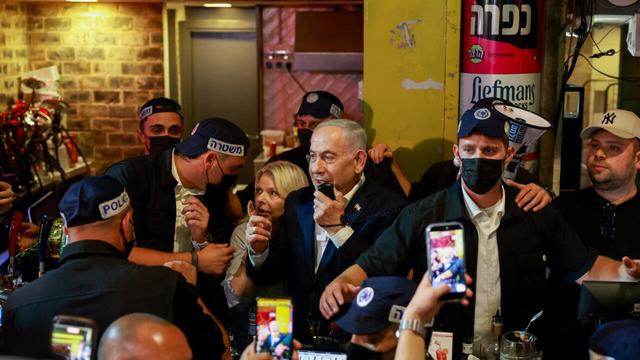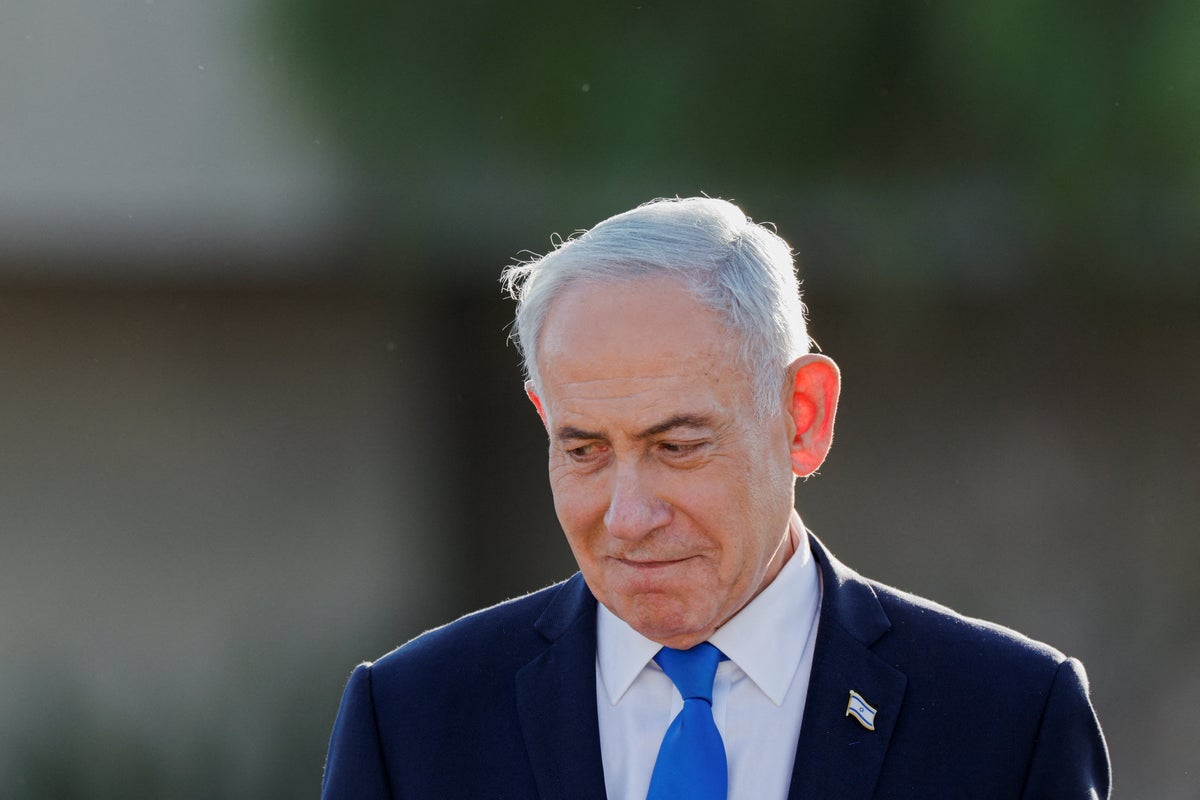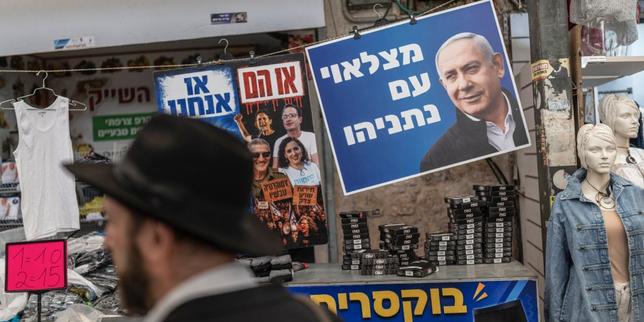
Israelis voted on Tuesday in the first parliamentary election since the October 7, 2023 Hamas attack, with Prime Minister Benjamin Netanyahu facing a tight race against former military chief Gadi Eisenkot.
Polling stations opened at 7 a.m. local time and will close at 10 p.m., with 7.3 million eligible voters choosing 120 members of the Knesset. Over 12,000 polling stations were set up nationwide, and tens of thousands of Israelis living abroad returned to cast their ballots.
Netanyahu’s Likud party leads a right-wing bloc that includes ultranationalist and ultra-Orthodox allies, while Eisenkot’s centrist Yashar party anchors a broad opposition coalition spanning the right, center, and left. Polls suggest neither bloc is likely to secure the 61-seat majority needed to form a government, raising the prospect of prolonged negotiations or another election.
The campaign has centered on accountability for the October 7 attack, which killed around 1,200 people and saw 251 taken hostage. Netanyahu’s critics blame him for security failures that enabled the assault, while his supporters credit him with steering Israel through subsequent conflicts. Both Netanyahu and Eisenkot agree on key foreign policy issues, including the need to dismantle Hamas in Gaza, prevent Iran from acquiring nuclear weapons, and oppose Palestinian statehood.
Netanyahu has framed the election as a choice between his leadership and what he describes as a weaker alternative, recently warning Iran it would face a “devastating blow” if it attacked Israel. Eisenkot has accused Netanyahu of fear-mongering and failing to achieve stated goals in previous conflicts with Iran.
In Tel Aviv, families of October 7 victims and former hostages held a moment of silence before polls opened. “Remember all those whose voices are no more,” said Yona Adam, whose daughter was killed in the attack. Official results are expected within days, with President Isaac Herzog to task the candidate with the best chance of forming a coalition.