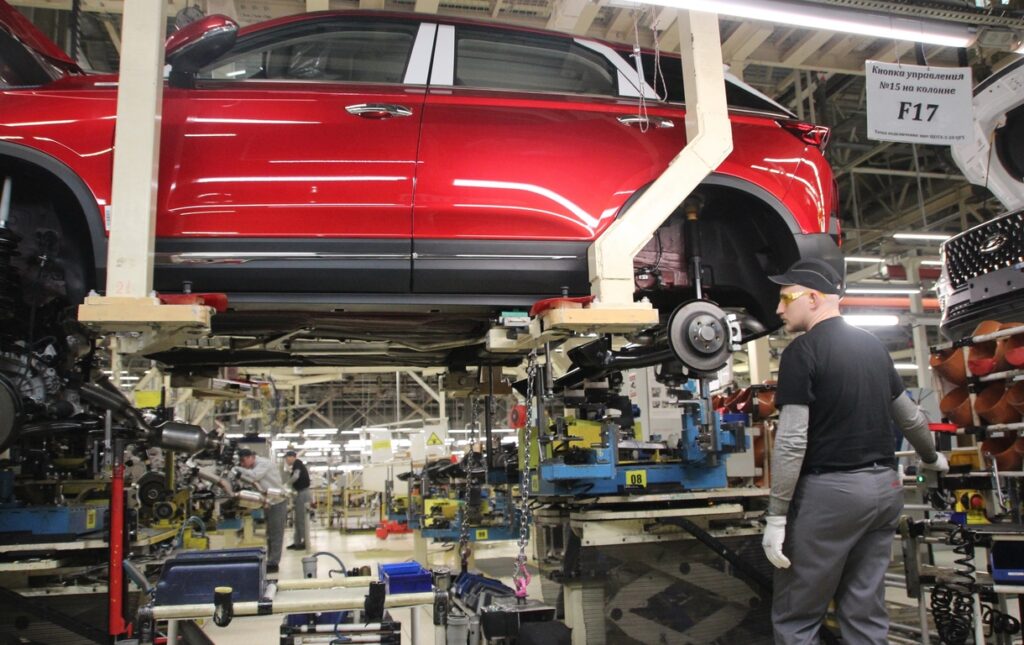
Mercedes-Benz has halted all new investment in its German factories and is examining plant closures after four months of failed talks with unions over labor costs.
The decision was announced on Friday. Production chief Michael Schiebe told staff the board had "jointly decided to halt all further investments in our German locations." Labour director Britta Seeger said the company must examine "concretely and in detail which locations we can still afford in Germany." Management had sought to extend the workweek from 35 to 40 hours without extra pay.
German production costs far exceed those abroad. Schiebe noted that one hour of production work in Germany can cost up to five times as much as at Eastern European sites. CEO Ola Källenius has cited a cost index showing Germany at 100, the United States around 80, Hungary at 30, Romania at 20 and China between 10 and 20. Deliveries in China have dropped by roughly 30 percent in recent quarters.
IG Metall, the German trade union, has rejected the company's demands and plans further warning strikes. The union and the works council said they reject plant closures. No specific German factory has been named for closure yet. Workers at sites including Sindelfingen, Rastatt and Bremen now face months of uncertainty.
The dispute centers on specific pay and hour demands. Management wants at least 38 hours instead of 35, plus cuts to Christmas pay, holiday pay and the annual bonus. IG Metall is demanding five percent more wages in parallel industry negotiations. Seeger called that demand completely excessive. The company had warned in September that two German plants could close if no deal was reached.
Mercedes employs around 164,000 people, about 108,000 of them in ten German plants. The company has set a target of reducing German labor costs by 20 percent to reach United States levels. Existing projects already under way will continue for the moment. Plants in Hungary and Spain are not covered by the freeze.
The freeze affects only German sites. Mercedes' expanded factory in Kecskemét, Hungary, and the van plant in Vitoria-Gasteiz, Spain, continue as normal. The company has cut its full-year profit guidance for the cars division to two to three percent. It has also launched a wider savings programme. The German auto industry as a whole has shed tens of thousands of jobs over the past year.