hotnews.ro
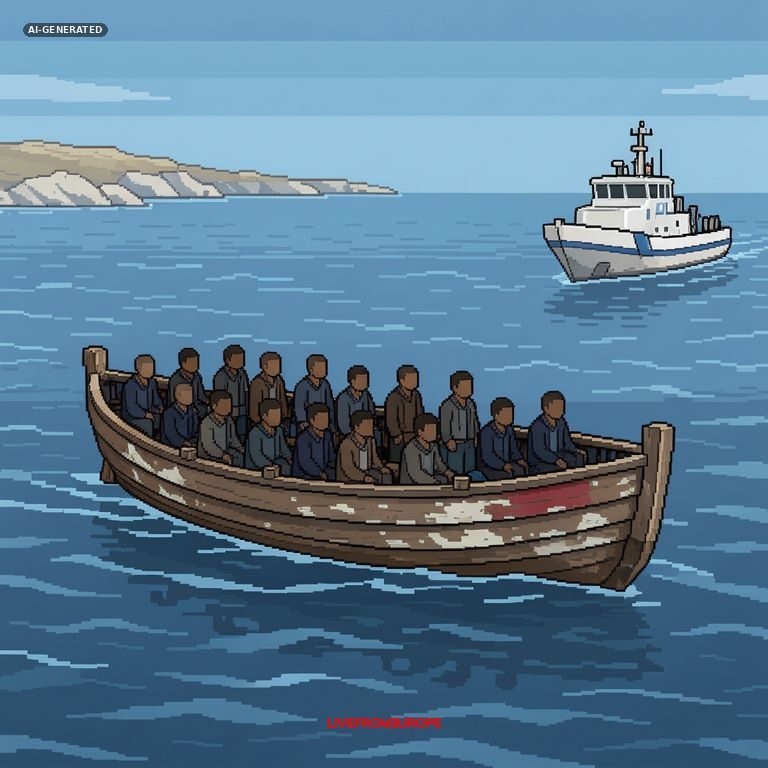
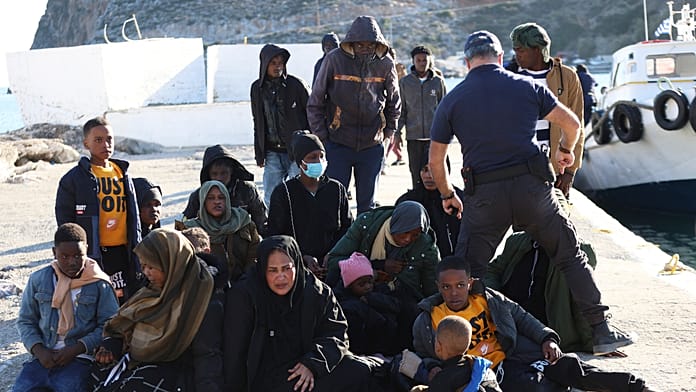
Peste 1.100 de migranți sosiți pe două insule din Grecia, în două zile. Operațiuni de salvare în lanț. Două persoane au murit Peste 1.100 de migranți au sosit pe insulele Gavdos și Creta, de vineri dimineață și până sâmbătă după-amiază, conform datelor oficiale, citate de Associated Press. La sud de Gavdos, autoritățile au recuperat trupurile neînsuflețite a două persoane și le-au salvat pe alte 41, într-o operațiune la care a participat și Frontex, agenția UE pentru protecția …
about 15 hours ago
eldiario.es
La ONG Caminando Fronteras asegura que hay más víctimas mortales del cayuco rescatado cerca de El Hierro La portavoz de este colectivo, Helena Maleno, ha explicado que desde el jueves tenían constancia de varias embarcaciones desaparecidas y que familiares de los migrantes en Mali les alertaron de este cayuco, en el que, según la información que manejan, viajaban 120 personas, entre ellas nueve mujeres''El mismo día, una niña nació en el Atlántico y un joven llegó muerto'': las historias que se cruzan en los cayucos de El Hierro
La ONG Caminando Fronteras, que monitoriza la ruta canaria, asegura que en el cayuco llegado este viernes a El Hierro viajaban en realidad unas 120 personas, lo que elevaría a 30 el número de víctimas entre fallecidos y desaparecidos, después de que fueran recuperados de su interior 14 cadáveres.
La portavoz de este colectivo, Helena Maleno, ha explicado a EFE que desde el jueves tenían constancia de varias embarcaciones desaparecidas y que familiares de los migrantes en Mali les alertaron de este cayuco, en el que, según la información que manejan, viajaban 120 personas, entre ellas nueve mujeres.
El recuento de Caminando Fronteras parte de la cifra de personas que habrían salido en la embarcación y de los supervivientes localizados, y, según Maleno, ahora tratan de averiguar el paradero de dos jóvenes malienses cuyas familias buscan y de los que todavía desconoce si están entre las personas rescatadas, entre los fallecidos o si han sido trasladados a algún recurso.
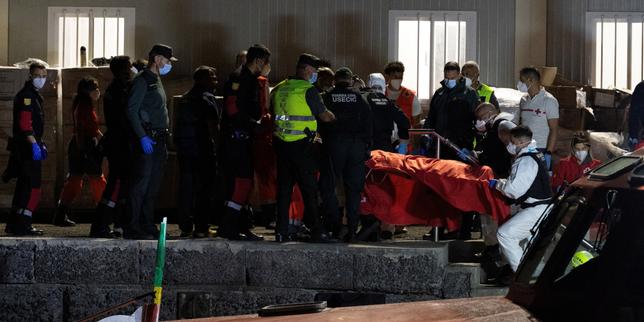
Sin embargo, Salvamento Marítimo desembarcó 14 cadáveres a último hora de la noche del viernes, entre ellos el hombre que se negó a separarse de los cuerpos de sus compañeros hasta no llegar a tierra.
Maleno ha indicado que algunos supervivientes ya han podido contactar con sus familias, aunque las conversaciones han sido muy breves debido al estado de conmoción en el que se encuentran.
"Lo primero que se les dice es que están vivos y que sepan que hay muertos", ha explicado la activista, quien señala que hasta que transcurre un tiempo y disminuye el impacto inicial resulta difícil reconstruir con precisión lo ocurrido durante la travesía.
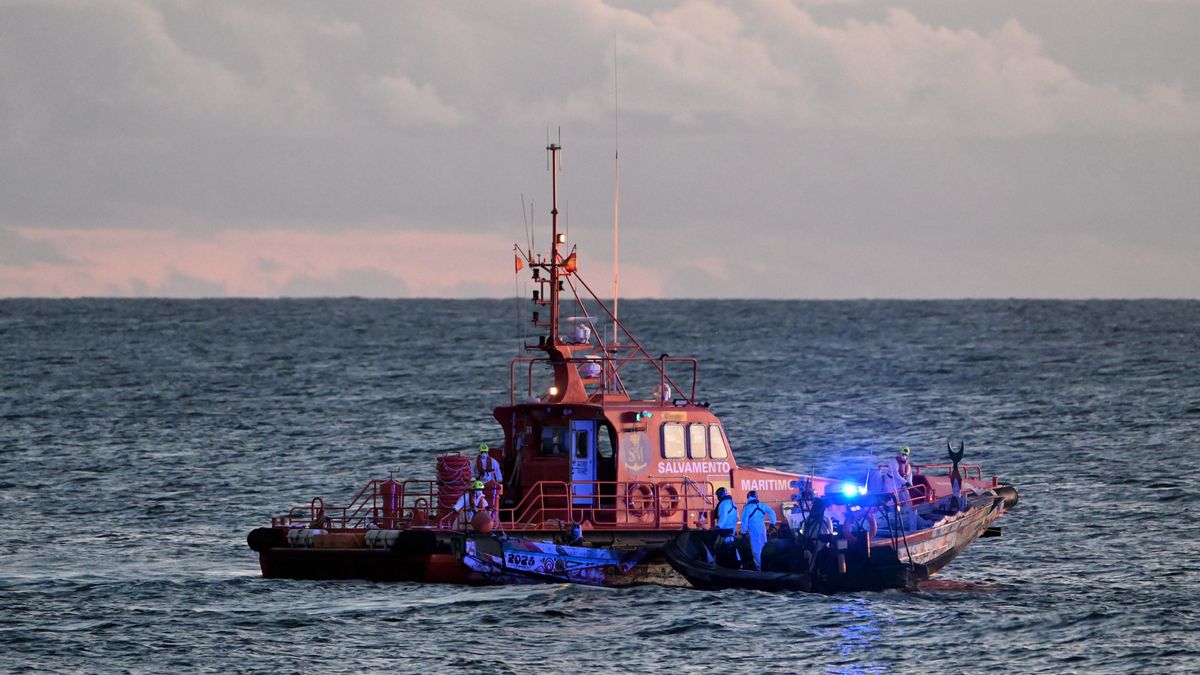
El aviso de la embarcación precaria lo dio un velero, y el Centro de Salvamento Marítimo de Tenerife activó a las Salvamares Navia y Mizar, al helicóptero Helimer 204, a las patrulleras de la Guardia Civil Río Tajo y Río Guadiato. Ya a las 6.24 horas, la Navia localizó el cayuco e inició las labores de auxilio en medio de un oleaje de hasta dos metros.
Los supervivientes desembarcaron en el puerto herreño con evidentes síntomas de fatiga y deshidratación.
Caminando Fronteras también hace un seguimiento de otra embarcación que llegó el jueves a Dajla, en el Sáhara Occidental, con 202 supervivientes después de haber salido de Senegal y en la que el colectivo cifra por ahora en 35 las víctimas.
Maleno ha precisado que todavía desconocen cuántos cadáveres fueron recuperados, si bien, de acuerdo con la información recabada por su red, faltan 35 personas respecto a las que viajaban en la embarcación.
Ha explicado que obtener información en Dajla resulta especialmente complicado porque las personas que requieren asistencia son trasladadas al hospital, mientras que el resto, según sostiene, son conducidas a centros de detención.
Apoyo psicológico a los migrantes de El Hierro
La responsable de Caminando Fronteras reclamado que los supervivientes de tragedias como la ocurrida en El Hierro reciban atención psicológica y seguimiento, al igual que los profesionales que participan en los dispositivos de rescate.
Maleno ha señalado que ha conocido la activación de apoyo psicológico para los trabajadores afectados por el impacto de la emergencia, que ha considerado también necesario, pero afirma no haber visto que se anunciara una asistencia equivalente para quienes sobrevivieron al cayuco y entraron posteriormente en el Centro de Atención Temporal de Extranjeros (CATE).
A su juicio, existe una "desprotección de las víctimas" y una progresiva "deshumanización" de quienes sobreviven a estos episodios.
En este sentido, ha planteado qué atención recibió el hombre que decidió permanecer en el cayuco junto a sus compañeros fallecidos y que finalmente murió antes de alcanzar tierra, y si estaba en condiciones psicológicas de tomar esa decisión.
"Son preguntas que se hacen las familias y que se haría cualquier familia", ha señalado Maleno.
Caminando Fronteras mantiene abiertas búsquedas de embarcaciones desaparecidas desde finales de septiembre y octubre y estudia otro caso de un cayuco llegado también a Dajla en el que podrían faltar alrededor de 60 personas.
Maleno ha advertido de que la atención suele concentrarse en las embarcaciones que consiguen llegar a Canarias, y no en aquellas de las que se pierde el rastro en el Atlántico, de modo que ha denunciado una "anestesia social" ante estas muertes.
about 18 hours ago