
Moscow summons Moldova's ambassador after accusing Chișinău of detaining Russian couriers
Story Timeline
2 months · 10 summary articles
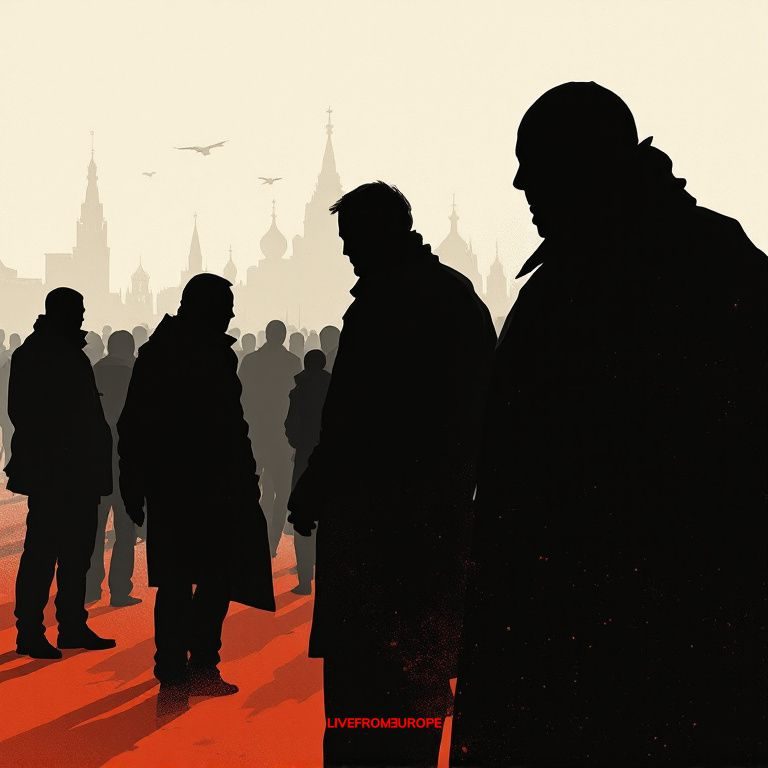
Moscow summoned Moldova’s ambassador to Russia on Friday after accusing Chișinău of detaining Russian diplomatic couriers at Chișinău International Airport, escalating a fresh dispute between the two capitals. The Russian Foreign Ministry issued a formal protest and demanded an explanation from Ambassador Lilian Darii, who was summoned to the ministry in Moscow for urgent talks, according to Xinhua, as reported by Agerpres and Digi24 . The Russian side claims the couriers were held on Thursday, a charge Chișinău has yet to publicly address.
The incident comes amid rising tensions between Moldova and Russia, with the Kremlin accusing Moldovan authorities of escalating provocations. Thursday’s detentions, if confirmed, would mark the latest in a series of diplomatic clashes between the two countries, which have seen reciprocal expulsions of diplomats and sharp exchanges over Moldova’s pro-Western trajectory.
In Bucharest, the rector of the National University of Political Studies and Public Administration, Remus Pricopie, accused AUR leader George Simion of parroting Kremlin talking points after Simion called for President Nicușor Dan’s suspension. “He is acting on instructions that have the hallmark of KGB-style briefings from Moscow,” Pricopie told *Adevărul*, framing Simion’s remarks as foreign interference in Romania’s domestic politics .
Simion, however, doubled down on Friday, asserting that the only solution to Romania’s political crisis is for AUR to enter government. “AUR must govern! That is the only solution,” he wrote on Facebook. “If Nicușor Dan does not comply, he must be suspended” . His statement followed days of protests in Bucharest and criticism of Dan’s handling of the crisis, which has seen mass demonstrations and calls for early elections.
The timing of the Russian protest—just hours after Simion’s latest intervention—raises questions about potential coordination between Moscow and AUR, a party known for its pro-Russian rhetoric and opposition to Moldova’s EU integration. While no direct evidence has emerged linking the two events, the convergence underscores the growing polarization in the region, where domestic politics in both countries are increasingly entangled with geopolitical rivalries.
Moldova’s Foreign Ministry has not issued an immediate response to Russia’s protest. Meanwhile, Simion’s call for AUR to assume power has drawn sharp criticism from political opponents, who accuse him of undermining democratic institutions. As the standoff between Chișinău and Moscow intensifies, the risk of further diplomatic escalation looms large, with both sides showing little sign of backing down.
Follow us for live European news
- 3
Articles

Un important membru AUR susține că Simion ar fi negociat cu PSD funcții în guvernul Veștea. „Mi-a zis: ești la Economie. Reacția AUR Unul dintre cei mai importanți membri ai partidului lui George Simion face dezvăluiri despre modul în care liderul AUR ar fi negociat cu PSD. Mohammad Murad spune că AUR ar fi negociat ministere și funcții în schimbul votului pentru învestirea guvernului Veștea. Mai mult, omul de afaceri susține că mulți membri au fost nemulțumiți de faptul că George Simion nu le-a dat detalii despre ce ar trebui să voteze în Parlament.
digi24 · 2 months ago
Ministerul de externe rus l-a convocat pe ambasadorul Republicii Moldova în legătură cu reţinerea unor curieri diplomatici Ministerul rus de externe l-a convocat vineri pe ambasadorul Republicii Moldova la Moscova, Lilian Darii, pentru a-i transmite un protest ferm în legătură cu „reţinerea ilegală a unor curieri diplomatici ruşi pe aeroportul din Chişinău, informează Xinhua.
digi24 · 2 months ago
George Simion anunță că are „soluția pentru criza politică: „AUR la guvernare! Dacă nu, Nicușor Dan ar trebui suspendat Preşedintele AUR, George Simion, solicită ca Alianţa pentru Unirea Românilor să intre la guvernare, susţinând că şeful statului, Nicuşor Dan, trebuie suspendat „dacă nu se conformează . „AUR la guvernare! E singura soluţie! Dacă nu se conformează Nicuşor Dan, el trebuie suspendat, a scris Simion, vineri, pe Facebook.
digi24 · 2 months ago
Remus Pricopie îl critică dur pe George Simion: „Purtătorul de cuvânt al Moscovei la București a grăit iar. Punctaje de tip KGB venite de la Kremlin Rectorul SNSPA, Remus Pricopie, îl critică dur pe George Simion, după ce liderul AUR a cerut suspendarea președintelui Nicușor Dan: „Are în vedere punctaje de tip KGB venite de la Kremlin, a spus acesta.
adevarul · 2 months ago
Ambasadorul Republicii Moldova în Rusia, convocat de Moscova într-un scandal legat de „reținerea ilegală a unor curieri diplomatici Ministerul de externe al Rusiei i-a transmis un protest ferm ambasadorului Republicii Moldova la Moscova, Lilian Darii, pe care l-a convocat la discuții pentru a reclama „reținerea ilegală a unor curieri diplomatici pe aeroportul din Chișinău, potrivit Xinhua, citată de Agerpres. Curierii diplomatici în cauză au fost reținuți joi, potrivit părții ruse, care susține că …
hotnews.ro · 2 months ago