Loading…
 Friday, September 25Friday, September 25
7 days · 8 summary articles
Far-right parties are gaining ground across Europe, with Germany’s Saxony-Anhalt region serving as a stark example where they now command roughly 40% of the vote, according to Nicu Ștefănuță, vice president of the European Parliament. In an interview on Friday, Ștefănuță drew a parallel between Saxony-Anhalt and Romania, calling the latter a “Saxony-Anhalt 20 times larger,” citing shared post-communist legacies, emigration, aging populations, and austerity measures as factors fueling extremist support .
In Germany, the far-right Alternative for Germany (AfD) secured 38.2% in Mecklenburg-Vorpommern’s state election on Sunday, outpacing the center-left SPD, which won 35.5%. With no coalition partners available for the AfD, SPD leader Manuela Schwesig is poised to form a government with the Left and Greens, extending her tenure as state premier .
Meanwhile, in Berlin, SPD deputy chair Cansel Kiziltepe signaled openness to coalition talks with the Left and Greens, stating, “Our overlaps with the Left and Greens are obvious,” despite the SPD’s electoral setback . Brandenburg’s SPD Premier Dietmar Woidke, however, warned against hasty alliances with the Left, insisting that “accountability must come first” before any government participation is considered .
Follow us for live European news

„Dieses offene Auftreten war für mich eine Drohgebärde – es war eine Machtansage Brandenburgs Ministerpräsident Dietmar Woidke (SPD) warnt vor einer Koalition mit der Linken in Berlin: „Erst muss die Aufarbeitung kommen und dann kann man über eine Regierungsbeteiligung reden, so Woidke.
welt.de · about 3 hours ago

„So sieht es aus, wenn Aktivisten eine Partei von hinten so ein bisschen anleiten Beim Sonderparteitag der Berliner Linken wird über Sondierungen mit SPD und Grünen abgestimmt. Beatrice Achterberg, Redakteurin „Neue Zürcher Zeitung, erinnert das an einen Kindergeburtstag: „Man hat ein Geschenk bekommen, muss jetzt aber noch mal überlegen, ob man es auspackt.
welt.de · about 3 hours ago

Bundesregierung: Bilanz eines wirtschaftspolitischen Totalschadens: Und dann verspielt der Kanzler auch noch das Erbe der CDU Im Angesicht des Aufstiegs der Radikalen lassen Merz und die Union an ihren Reformen zweifeln. Dabei beweisen zwei Regierungen, dass gerade bürgerliche Politik zum Erfolg führen kann.
handelsblatt · about 3 hours ago
Antrag zu NS-Gedenken in Sachsen: CDU reicht AfD die Hand Stadträte von CDU und AfD sprechen sich gegen Stolpersteine zur Erinnerung an Opfer des Nationalsozialismus in Heidenau aus. Ihr Antrag wurde angenommen. mehr...
taz.de · about 3 hours ago
Zi crucială pentru formarea noului Guvern. Siegfried Mureșan a discutat cu Nicușor Dan. În paralel, sunt ședințe la PNL, USR și UDMR Premierul desemnat, Siegfried Mureșan, se întâlnește vineri cu președintele Nicușor Dan, pentru a-i prezenta programul de guvernare și lista cabinetului de miniștri. În paralel, au loc ședințe la PNL, USR și UDMR, partidele care s-au aliniat în spatele premierului desemnat.
digi24 · about 3 hours ago
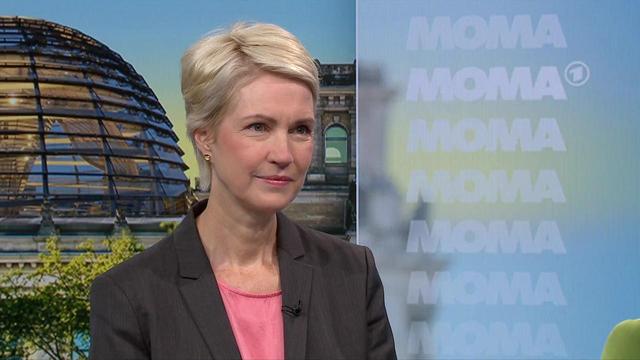
SPD-Landeschefin Schwesig übt harsche Kritik am Kurs von Kanzler MerzMecklenburg-Vorpommerns Ministerpräsidentin Schwesig wird deutlicher in ihrer Merz-Kritik: ein einfaches "Weiter so" reiche einfach nicht. Der Kanzler müsse die Ministerpräsidentinnen und -präsidenten einbeziehen.➡️ #Merz #Rente #Tankrabatt
mastodon_Tagesschau · about 3 hours ago
Judecătoare din documentarul Recorder, propusă la Ministerul Justiției în Guvernul Mureșan Fosta judecătoare Andrea Chiș este numele agreat de PNL, USR și UDMR pentru Ministerul Justiției, în Cabinetul care va fi propus de premierul desemnat Siegfried Mureșan, au declarat pentru HotNews surse din coaliția de dreapta. Este varianta de compromis agreată de Siegfried Mureșan cu USR, PNL UDMR. Aceasta, după ce, la negocieri, și Dominic Fritz, …
hotnews.ro · about 3 hours ago
Sigfried Mureșan pune presiune pe PSD: „Ajunge anexa AUR dacă votează împotriva Guvernului. Grindeanu e sub nivelul partidului Premierul desemnat Siegfried Mureșan a declarat că va depune sâmbătă la parlament programul de guvernare și lista de miniștri.
adevarul · about 3 hours ago
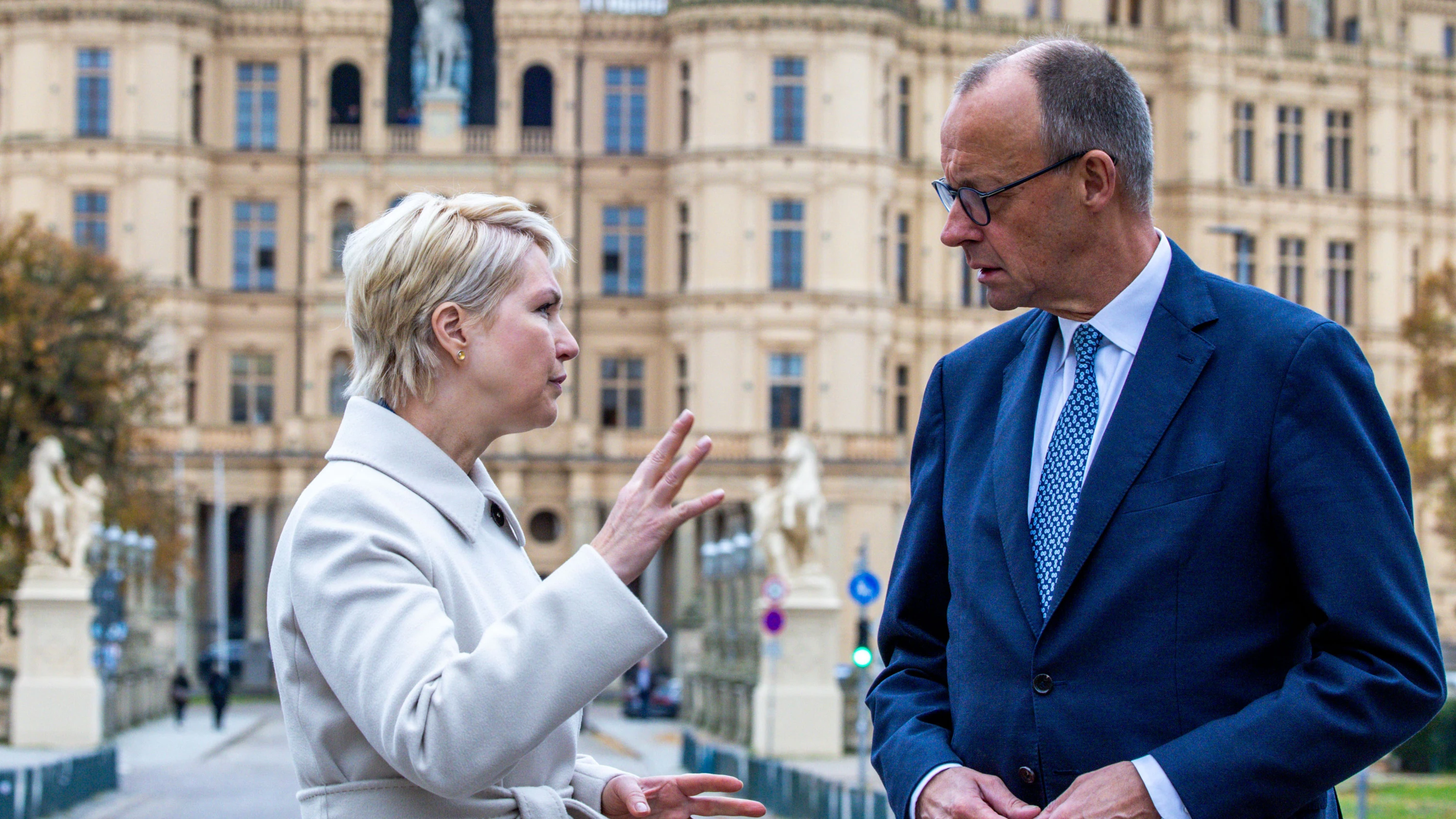
Deutschland-Liveblog: Schwesig fordert Merz zu Gespräch über Reformen auf Ministerpräsidentin: Rentenkommission hat auch gute Vorschläge gemacht +++ Sachsens Innenminister will Asylrecht verschärfen +++ CDU lehnt Einladung der SPD in Sachsen-Anhalt ab +++ alle Entwicklungen im Liveblog
faz · about 3 hours ago
Newsblog zu den Landtagswahlen: Berliner SPD-Vizechefin für Koalitionsverhandlungen mit Linken und Grünen Cansel Kiziltepe ist die erste führende SPD-Politikerin in Berlin, die sich in dieser Frage klar positioniert. „Auch wenn die SPD deutlich abgewählt wurde: Unsere Schnittmengen zur Linken und Grünen sind offensichtlich, sagt sie.
sueddeutsche · about 3 hours ago