
World records second-hottest May as El Nio and warming drive global heat
Story Timeline
4 months · 4 summary articles
The world’s second-hottest May on record has been confirmed by climate researchers, with scientists pointing to a strengthening El Niño event and long-term global warming as the primary drivers. Data released on 10 June 2026 shows that both land and ocean surface temperatures exceeded historical averages, underscoring the accelerating pace of climate change. “The combination of natural variability and human-induced warming is pushing global temperatures into uncharted territory,” said Dr. Elena Vasquez of the Barcelona Centre for Climate Science, whose team contributed to the analysis .
The findings, based on satellite observations and ground-based weather stations, place May 2026 just behind May 2020—the previous record holder for global heat. Oceanic regions, particularly the tropical Pacific, registered the most pronounced warming, consistent with the developing El Niño phase. “We’re seeing a feedback loop,” explained Vasquez. “Warmer oceans fuel stronger El Niño events, which in turn release more heat into the atmosphere.” The data also revealed that Arctic sea ice extent remained well below average, continuing a decades-long trend linked to rising global temperatures.
Meanwhile, in the Bahamas, marine archaeologists have uncovered the first underwater evidence of pirate-era shipwrecks near the capital, Nassau. Using sonar and underwater drones, a team from the University of the Bahamas documented at least three burnt hulls dating to the late 17th and early 18th centuries, a period when Nassau was a notorious pirate stronghold. “These wrecks are a direct link to the Golden Age of Piracy,” said lead researcher Dr. Marcus O’Connor. “They offer a rare glimpse into the maritime culture and conflicts of the time.” The discovery follows a 2025 expedition that identified similar wrecks off the coast of Eleuthera, suggesting a broader network of submerged pirate sites .
In the animal kingdom, researchers have uncovered a remarkable survival strategy among queen bumblebees, which can endure up to a week submerged in water during winter hibernation. A study published in *Proceedings of the Royal Society B* found that the queens switch to anaerobic metabolism when oxygen levels drop, producing lactate to sustain energy without breathing. “This isn’t just a quirk of nature—it’s an evolutionary adaptation that may become increasingly vital as flooding events intensify with climate change,” noted Dr. Sophie Laurent of the French National Centre for Scientific Research .
From the culinary world, chef Theo Randall has unveiled a poached chicken salad with anchovy croutons, a dish he calls a “terrace sensation” at his London restaurant. The recipe combines crisp greens, tender chicken, and umami-rich croutons made from anchovy-dressed bread, a technique Randall credits for the salad’s popularity during peak summer months. “It’s simple, but the anchovy croutons add a depth that keeps customers coming back,” he said .
Follow us for live European news
- 4
- 2
- 2
- 1
- 1
- 1
1 further source not geolocated
Articles

Tiere: Berliner Zwergflusspferd-Jungtier erkundet Außengehege Bislang hielt sich das kleine Hippo mit Mutter Debbie in einem geschützten Bereich auf. Am Mittwoch können Besucher den Nachwuchs mit ein bisschen Glück zum ersten Mal sehen.
tagesspiegel · 4 months ago
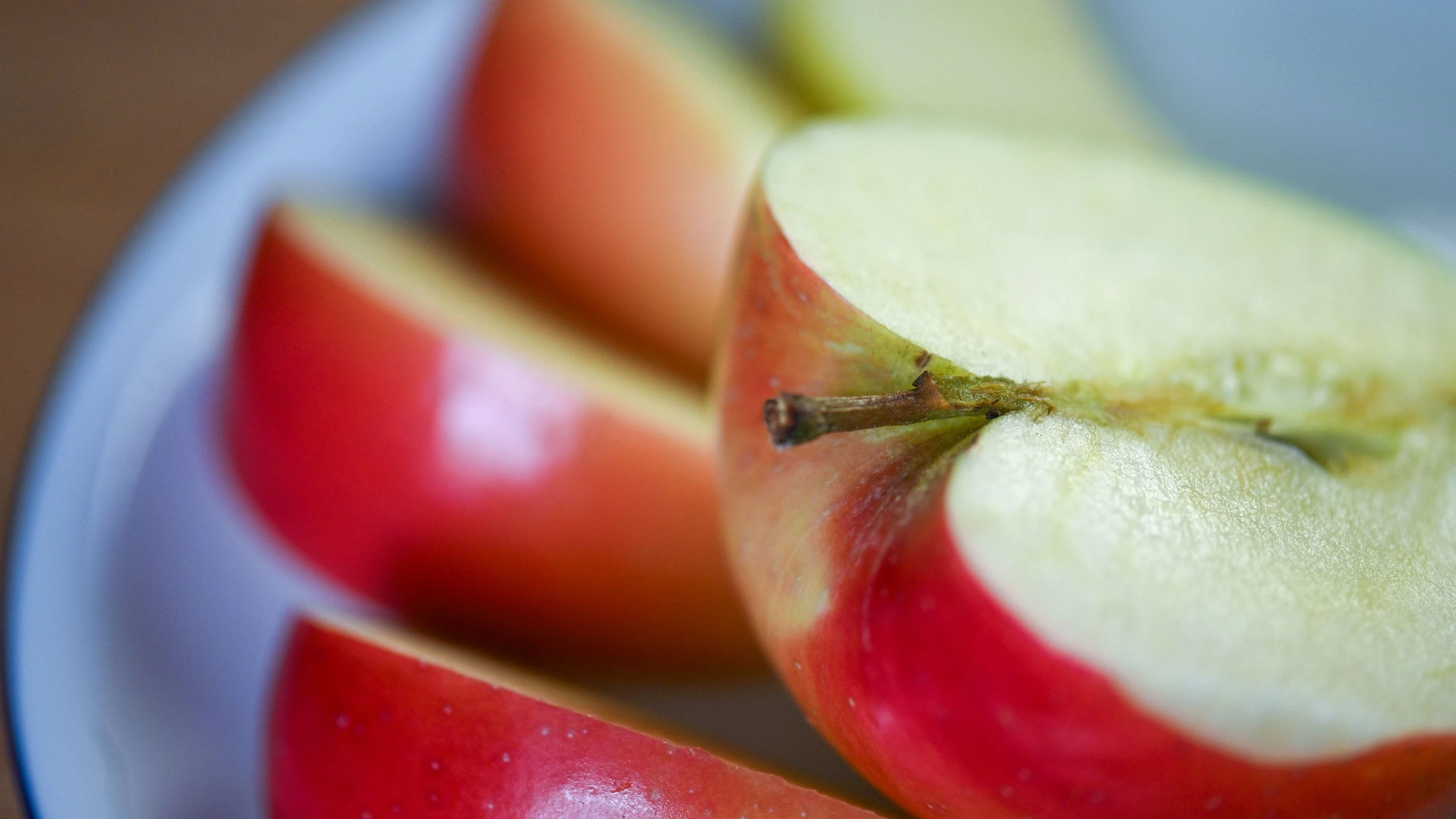
Krieg in der Küche: Wie man Fruchtfliegen am besten loswird Man glaubt es kaum: Fruchtfliegen sind nicht nur lästig, sondern erstaunlich raffiniert. Trotzdem kann man ihnen mit einfachen Mitteln ein Schnippchen schlagen und sie elegant aus dem Verkehr ziehen.
faz · 4 months ago

Theo Randalls recipes for asparagus and rice frittata, and poached chicken salad with anchovy croutons An unusual frittata with a risotto base, and a simple but delicious salad combination thats sure to be a big hitI love this salad – the combination of soft, juicy chicken, crisp leaves and anchovy croutons is so delicious. We serve it on the terrace at my restaurant and, when the sun is shining, it is the biggest seller by a country mile. But, first, an unusual frittata, which is essentially a risotto base with asparagus: its not difficult to make and is perfect for lunch, and even better as part of a picnic. Continue reading...
theguardian · 4 months ago
VIDEO ⟩ Salapärased vrakid Bahama vetes: arheoloogid avastasid piraatide kuldajastu põletatud laevad Bahama saarte allveearheoloogid leidsid esimest korda pealinna Nassau ranniku vetes piraatide ajastuga seotud laevavrakid.
postimees · 4 months ago
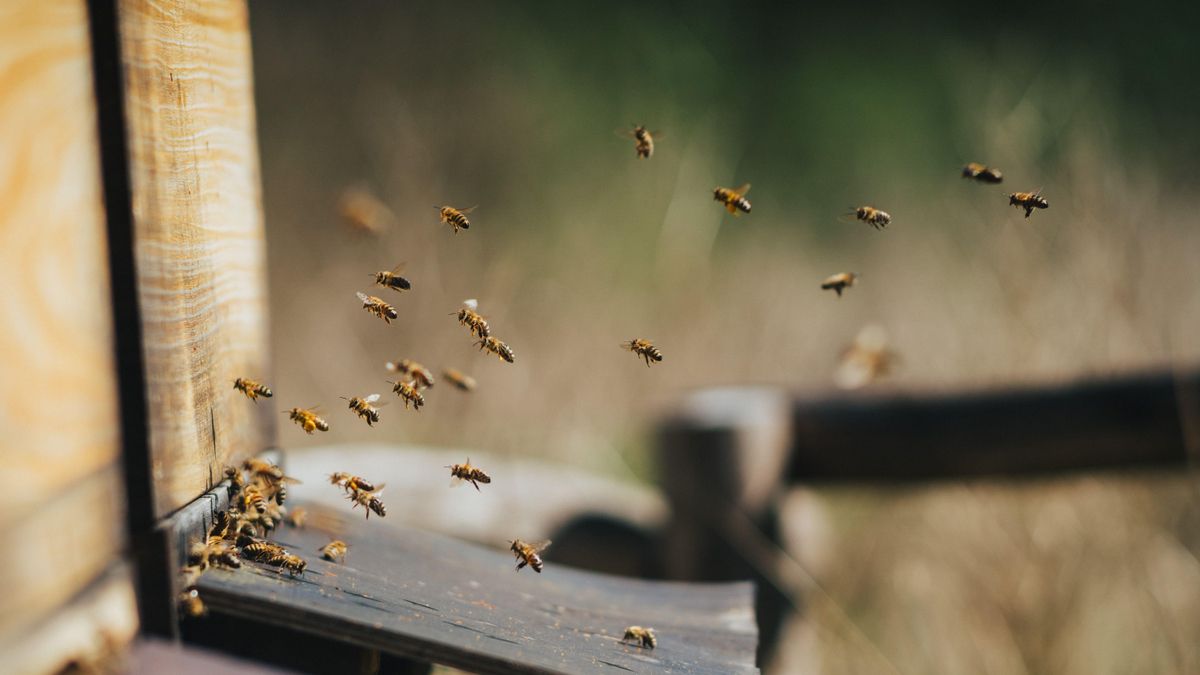
Parece imposible, pero estas abejas son capaces de sobrevivir hasta una semana bajo el agua Un nuevo estudio reveló que su capacidad fisiológica les permite hacer frente a condiciones ambientales extremasEl consumo de larvas separó a neandertales y humanos europeos, una diferencia que cambia la lectura de su alimentación La naturaleza no deja de sorprendernos, pero los animales tampoco. ¿Cómo sobrevivirán estas especies a la crisis climática? La pregunta no tiene una respuesta universal, pero existen casos paradigmáticos que ya están dando que hablar entre los científicos. Es el caso, por ejemplo, de las reinas de abejorro, capaces de sobrevivir sumergidas bajo el agua durante al menos una semana. En invierno, a diferencia de la primavera, estos insectos están enterrados bajo tierra y entran en un estado similar a la hibernación conocido como diapausa. Durante este periodo, que dura entre seis y nueve meses, las reinas son vulnerables a los encharcamientos, ya que la lluvia y el deshielo inundan sus madrigueras, que son poco profundas. Pero eso no es un problema para ellas, porque se ha demostrado que estas logran mantenerse con vida hasta la primavera respirando bajo el agua. ¿Cómo lo hacen? Un grupo de investigadores ha analizado unas cuantas abejas de este tipo y ha publicado sus hallazgos en la revista Proceedings of the Royal Society B. Abejas. Comprobación en laboratorio Para investigar cómo era posible que estos insectos respiraran sumergidas, el equipo introdujo a reinas sanas en cámaras de respirometría donde podían controlar con precisión las condiciones de temperatura, oxígeno y humedad. La idea era simular una inundación real como la que deben hacer cuando entran en diapausa. Aunque su metabolismo se redujo drásticamente durante la diapausa, los experimentos detectaron que las abejas producían continuamente dióxido de carbono y consumían oxígeno disuelto en el agua, lo que indica que siguen respirando en condiciones de inmersión. El estudio también demostró que, cuando el oxígeno escasea, las reinas recurren parcialmente a un metabolismo anaeróbico, es decir, la generación de energía sin oxígeno, lo que provoca la acumulación de lactato en su organismo. Este compuesto aumenta durante los días de inmersión y les permite sobrevivir durante episodios prolongados de inundación. Frente al cambio climático Los autores del estudio destacan que esta capacidad fisiológica de las reinas de abejorros es clave por dos razones principales. Por un lado, porque les permite sobrevivir como especie conforme cambian las estaciones. Pero además, los hallazgos sugieren que esta capacidad de inmersión podría ayudarlas en contextos ambientales donde los episodios de inundación sean más frecuentes o intensos.
eldiario.es · 4 months ago
Billecart-Salmons „Brut Réserve: Ein perfekter Speisenbegleiter [premium] Dieser Cuvée aus Chardonnay, Meunier und Pinot Noir ist nicht zum Anstoßen gemacht.
die presse · 4 months ago
Hubschraubereinsatz am See: Herrenloses SUP löst Suchaktion mit Hubschrauber aus
die zeit · 4 months ago
Minden idők második legmelegebb májusát mérték világszerte Kutatók szerint a kialakulóban lévő El Niño és a klímaváltozás együtt emelte a szárazföldi és tengeri átlaghőmérsékleteket.
444.hu · 4 months ago

¿Eres capaz de ver el insecto en menos de 30 segundos? Aparece en esta fotografía de paisaje entre los arbustos, pero, ¿seguro que conseguirás encontrarlo?
la vanguardia · 4 months ago

El mar como inspiración artística Ha sido un recurso tan enriquecedor que incluso dio pie al subgénero pictórico conocido como las marinas
la vanguardia · 4 months ago
Der Checkpoint am Morgen: CDU will die „Arschbacken zusammenkneifen + Wegner ohne Begeisterung gewählt + Berlin ist „Overperformer + Gastro und Einzelhandel hoffen auf WM-Sieg +
tagesspiegel · 4 months ago
Die Wahrheit: Stulle mit Brot Immer weniger Touristen kommen nach Berlin. Eine Einladung, es trotzdem mit dieser ungeheuerlichen Stadt zu versuchen. mehr...
taz.de · 4 months ago
Fructe și legume românești, forțate să crească. Avertismentul specialiștilor: Aspectul comercial nu garantează calitatea și gustul Fructele și legumele de pe rafturi sau din piețe impresionează prin aspectul uniform și culoarea perfectă, însă specialiștii nu garantează calitatea și gustul. Numeroase soiuri autohtone au fost înlocuite, de-a lungul timpului, cu unele de import, modificate genetic, în special ca să reziste la transport.
digi24 · 4 months ago

Szentségtörés: lecserélték a Mercedes G-osztály körlámpáit A Mercedes G-Klasse legújabb tuningverziója kerek lámpák és csillagos embléma nélkül támad.
hvg.hu · 4 months ago