Moody’s kept France’s credit rating at Aa3 on Friday but attached a negative outlook, defying widespread expectations of a downgrade as the country grapples with rising debt and political instability.
The rating agency said it assumed France would adopt a deficit-reducing budget for 2027, a condition that helped avoid an immediate cut. Prime Minister Sébastien Lecornu welcomed the decision, calling it a rebuke to “decline theorists” and speculators betting against French debt .
France’s 10-year bond yields have surged past 5 percent, the highest since 2002, as investors demand higher returns amid fiscal concerns. The premium over German Bunds has widened to its largest gap in 15 years, reflecting mounting anxiety over France’s ability to stabilize its finances .
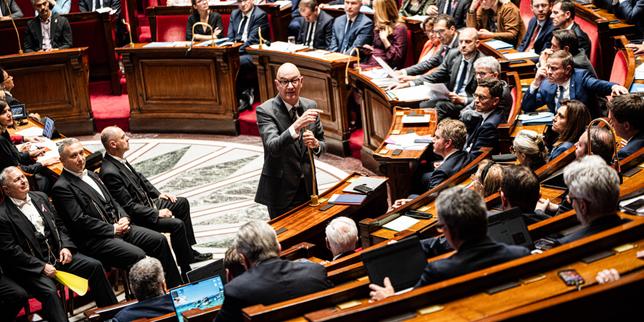
Political fragmentation has complicated efforts to rein in borrowing. Analysts attribute the crisis partly to President Emmanuel Macron’s decision to dissolve the National Assembly in June 2024, which led to parliamentary deadlock. Oliver Davies, a professor at University College Cork, described the situation as a “self-inflicted crisis” and warned that market confidence in Macron’s policies was “evaporating” .
The European Central Bank’s ability to intervene remains limited. Its Transmission Protection Instrument requires a country to meet strict fiscal criteria, which France currently does not. Even if the ECB were to act, it could not override market judgments on France’s deteriorating fiscal position, according to financial analysts .
Public unrest has added to the pressure. Violent protests and looting have erupted across France, with authorities banning gatherings near key sites in Paris. The government has deployed military troops to assist police in maintaining order .