European nations are accelerating rearmament and defence cooperation, scaling up drone production, deepening a German-Polish military pact, and jointly funding new combat boats for Ukraine.
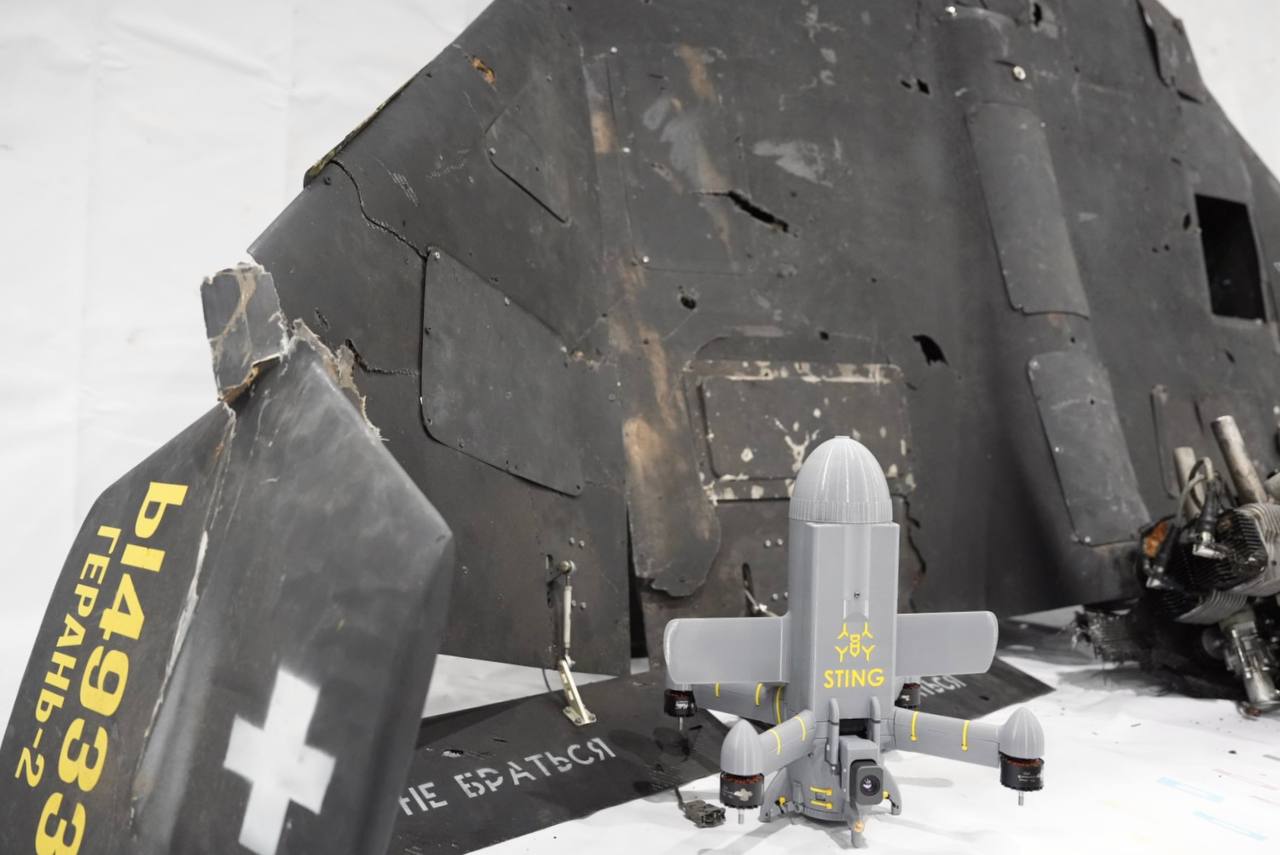
A German joint venture between Quantum Systems and Ukrainian firm Frontline Robotics plans a fivefold increase in production of the Linza 3.0 drone in 2027, with the venture QFI beginning manufacturing in Germany in February 2026. QFI is nearing completion of its first contract for 10,000 systems and will commit more than €10 million to long-term support in Ukraine for training, a support line and local maintenance. "The additional commitment represents a further step to strengthen Ukraine's domestic defence-industrial base and build long-term capacity to support Ukrainian-developed unmanned systems," said Matthias Lehna of Quantum Systems. "Through QFI, we've shown what Ukrainian engineering and German manufacturing can achieve together," Lehna said. [1]
Germany and Poland are expanding their defence agreement signed in June to counter the Russian threat, with Defence Minister Boris Pistorius and Polish Defence Minister Wladyslaw Kosiniak-Kamysz agreeing in Warsaw to intensify military cooperation. The ministers said they would draw up a roadmap by January's consultations in Warsaw, covering joint defensive positions, German Patriot systems and Eurofighter jets, and deeper industry collaboration. Kosiniak-Kamysz said joint initiatives by companies should make Europe more independent, secure supply chains and ensure sufficient weapons production. During the "Grand Eagle" maneuver, Germany is moving more than 2,000 soldiers plus around 50 tracked and 650 wheeled vehicles through Poland to protect NATO's eastern flank. [2]
The United Kingdom and Norway will provide more than $130 million for two 30-meter combat boats for Ukraine. They announced the funding on Thursday at the Coalition of the Willing meeting in Berlin. Built in Britain, the vessels will be equipped with missile weapons, modern air defense systems and self-defense capabilities to help secure the Black Sea grain corridor. [3] [4]