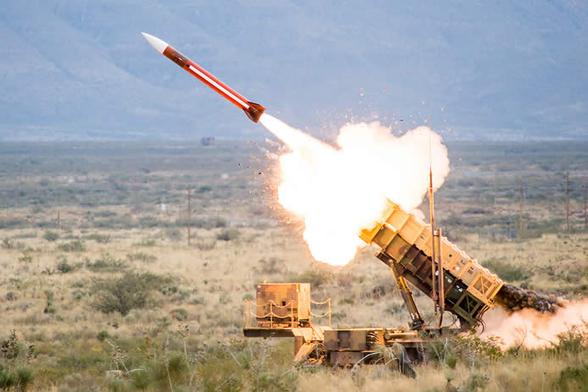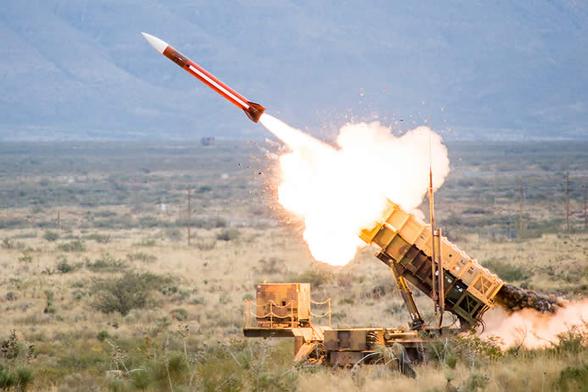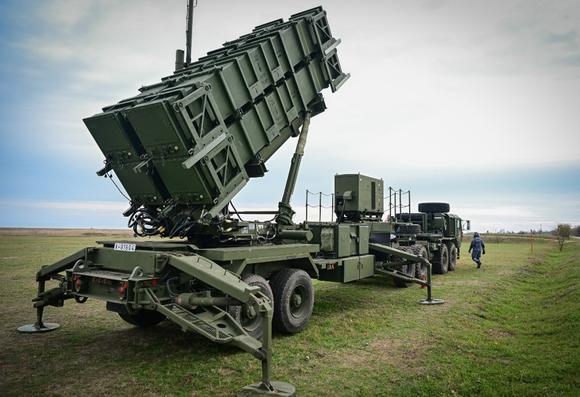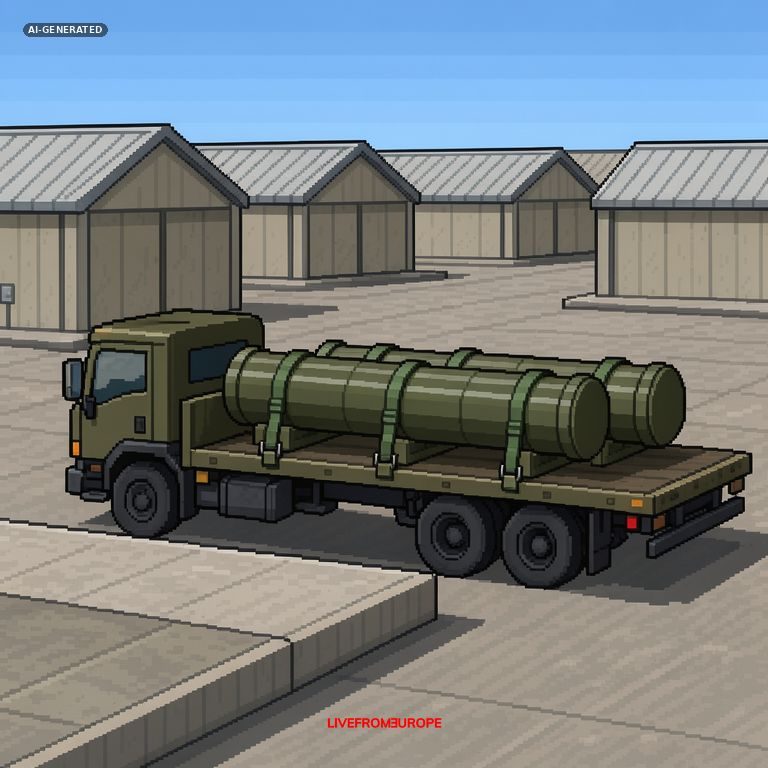
The U.S. State Department approved a $2.1 billion sale of 500 PAC-3 MSE Patriot interceptor missiles to Ukraine on Friday, but deliveries are not expected to begin before 2030.
The missiles, newly manufactured rather than drawn from existing stockpiles, will be financed by Canada, Germany, Norway, and Ukrainian funds backed by an EU loan, with no U.S. government money involved. The package includes spare parts, telemetry kits, and logistical support, subject to a 30-day congressional review before contracts can be signed.
President Volodymyr Zelensky welcomed the approval but stressed the urgency of Ukraine’s needs, noting that Russian forces have intensified strikes on critical energy infrastructure in recent weeks. “It has been stipulated that deliveries may begin only in a few years,” Zelensky wrote on X, urging Washington to find a solution for the “real danger and real need” this winter. He proposed a swap framework where allies would immediately transfer PAC-3 missiles from their inventories, later replenished by the newly produced batch.
Ukraine has requested 100 interceptors per month to counter Russian ballistic barrages, with Zelensky arguing that Western partners have sufficient reserves to support immediate transfers. “500 missiles would transform Ukraine’s airspace defense,” he said, citing more than 30 Russian strikes on power grids in the final two weeks of October alone.
The production backlog reflects broader defense-industrial constraints, with surging global demand outstripping manufacturing capacity. Lockheed Martin, the primary contractor, has not disclosed a delivery timeline, but diplomatic sources and analysts confirm the 2030 start date for shipments. Zelensky acknowledged the funding challenge but expressed confidence in securing support from European partners to cover the $2.1 billion cost.