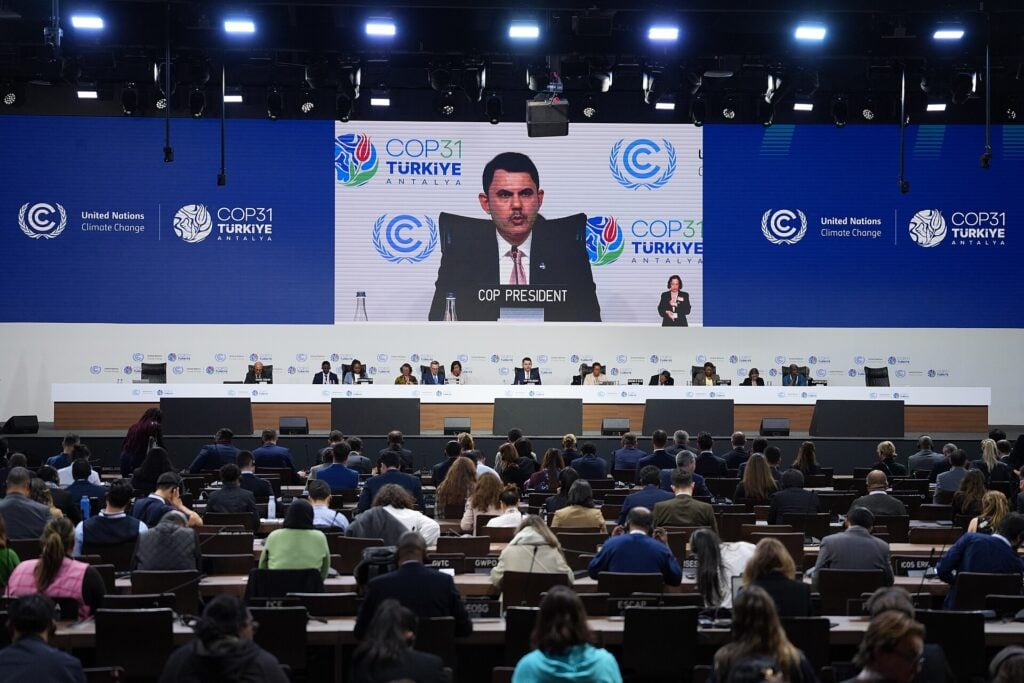

The COP31 UN climate summit in Antalya, Turkey, ended on Sunday without a final declaration after negotiations collapsed over fossil fuels and climate finance. [1]
The talks, co-hosted by Turkey and Australia, ran more than two weeks and stretched into record overtime. The European Union, Norway, Panama, the Marshall Islands and others rejected the draft text. The text failed to mention oil, coal or gas. Saudi Arabia and Russia blocked any reference to phasing out fossil fuels. [1] [2]
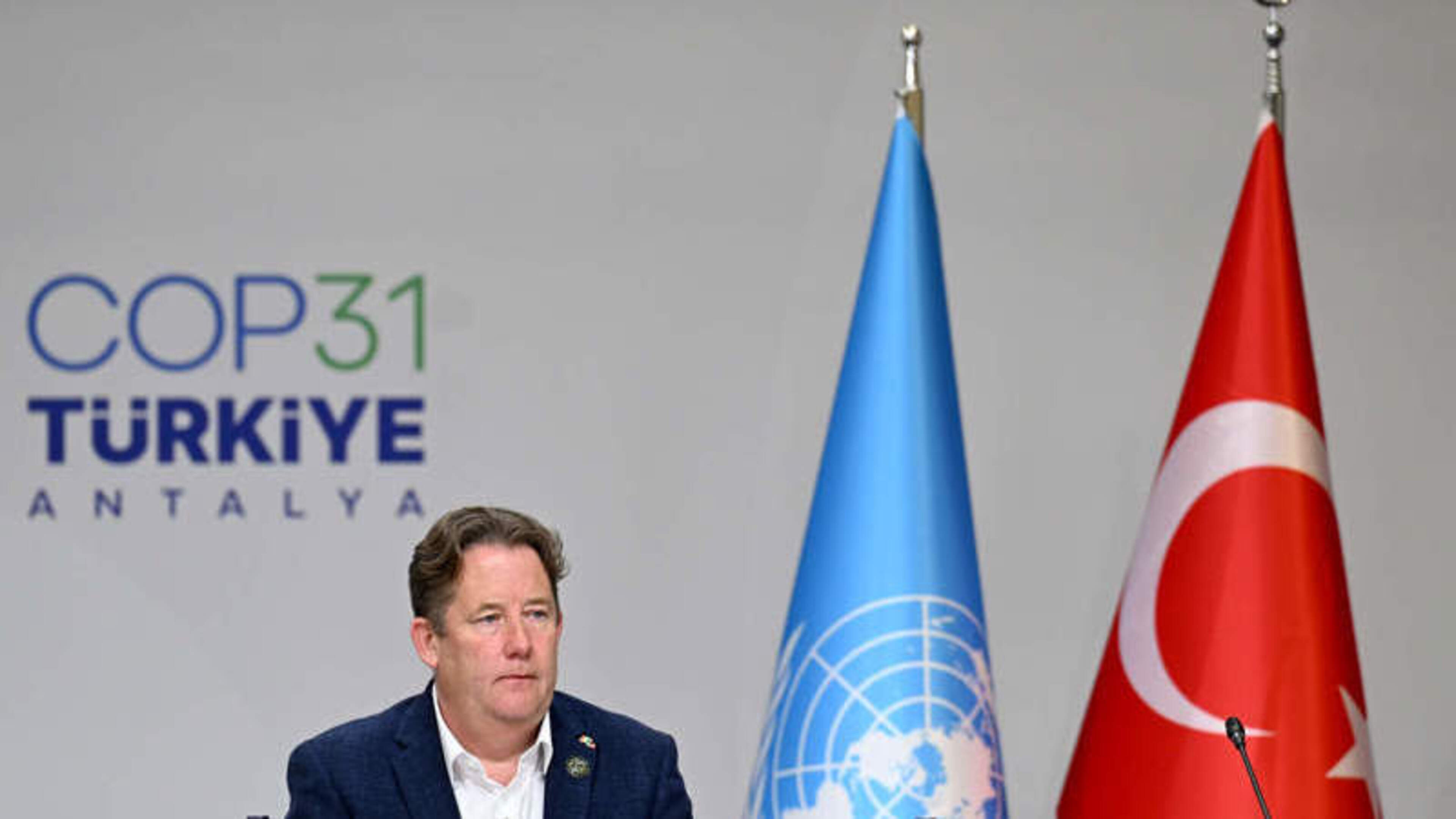
The impasse centered on whether the final document would commit to phasing out fossil fuels. Irish Climate Minister Darragh O'Brien, speaking for the EU presidency, said: "We will not support a final decision that does not even mention fossil fuels." He called coal, oil and gas the "main drivers of climate change." [3]
UN Secretary-General António Guterres called the outcome "deeply disappointing." This was his final COP before leaving office. He accused "powerful fossil fuel interests" of distorting science and blocking action. He compared them to the tobacco industry. [1]
COP31 President Murat Kurum acknowledged the failure to reach consensus. Australian Climate Minister Chris Bowen, who co-chaired the talks, said: "It is very disappointing." He cited "irreconcilable red lines" over fossil fuels. [4]
The draft text acknowledged that global warming is likely to exceed the 1.5°C threshold. This limit was set by the Paris Agreement. The text contained no specific commitments to phase out fossil fuels. The only reference was an indirect nod to a 2023 deal to "transition away" from fossil fuels. [2] [1]
Developing countries also objected to the absence of concrete financial commitments. At COP30 in Brazil last year, nations agreed to triple adaptation finance. The target was $120 billion by 2035. This year's draft contained no reference to concrete figures. [1] [5]
Saudi Arabia's delegate Mohammad Ayoub said Arab countries "continued to engage in good faith." He argued they accounted for only a small proportion of historical emissions. Russia warned against "slogans" over fossil fuels. It claimed rapid phase-out would lead to "fuel poverty." [1]
Former US Vice President Al Gore said it was "outrageous that a handful of petro-states have veto power." He said this applied to any mention of fossil fuels. He called for reform of the consensus process on X. [4] [1]
This was the first time since the 2009 Copenhagen summit that a COP ended without a main political agreement. The talks were the longest in UN climate conference history. [1] [6]
Australian Prime Minister Anthony Albanese attributed the failure to "difficult geopolitical times." He said: "That is the reality." [1]