Loading…
 Saturday, September 26Saturday, September 26
4 months · 8 summary articles
The Czech government of Prime Minister Andrej Babiš has come under renewed scrutiny after reports emerged that civil service positions are being awarded to supporters of the ANO 2011 party, now rebranded as "Motoristé," in exchange for political loyalty. A candidate who secured a state job after publicly endorsing the party is now testing the limits of Babiš’s declared commitment to merit-based hiring, raising questions about systemic favoritism within the administration. The prime minister has remained silent on the matter, despite repeated calls for clarification from opposition figures and transparency advocates.
According to reporting published today by *Deník N*, the successful applicant openly declared their support for Motoristé during the hiring process, a move that critics argue circumvents the government’s own rules on civil service recruitment. The case follows a pattern documented in multiple regions, where party affiliation appears to outweigh professional qualifications in state employment decisions. Babiš, who has long positioned himself as a champion of anti-corruption measures, has yet to respond to inquiries about the incident, fueling speculation about the extent of his tolerance for such practices within his government .
The controversy comes at a time when Babiš’s administration is already under pressure over education policy. A separate investigation by the Dutch Parents’ Association has accused the Czech government of failing to address systemic flaws in the education system, which have left thousands of children without access to schooling. The lawsuit, filed today in The Hague, alleges that the state has systematically neglected its duty to provide inclusive education, leaving an estimated 20,000 children in so-called “home-schooling” arrangements with no legal recourse .
Political analysts suggest that Babiš’s silence on the civil service appointments may be strategic, as his party seeks to consolidate power ahead of regional elections later this year. The government has previously defended its hiring practices as necessary to ensure political alignment within state institutions, a claim that has drawn sharp criticism from watchdog groups. Opposition lawmakers have vowed to introduce a motion of no confidence if the prime minister fails to address the allegations, though such a move would require cross-party support unlikely to materialize in the current fragmented parliament.
Meanwhile, the education crisis shows no signs of abating. A nationwide protest organized by teachers’ unions is scheduled for next week in Bucharest, where educators will demand structural reforms to the education system. The protest follows a scathing report by the World Bank, which identified chronic underfunding and bureaucratic inefficiency as the primary drivers of the country’s educational decline. With Babiš’s government facing dual pressures—both from within his own party and from international scrutiny—the coming weeks will test his ability to reconcile political loyalty with governance standards.
Follow us for live European news
1 further source not geolocated

The Church Notre Dame des Champs of Avranches !!! We passed by it so many times over the years and even stop on the N175 highway to have lunch several times but never really got into City center until now ! As I think did not give it credit enough to a town I will showcase new pictures of it in my blog for you and me, Do read my other post on the town in my blog, The town of Avranches is located in the Manche dépt 50 in the region of Normandie of my belle France, Therefore, let me tell you on the Church Notre Dame des Champs of Avranches !!! Hope you enjoy the post as I.The Church of Notre Dame des Champs is located on Place Carnot. This vast, cathedral-like church is a Neo-Gothic church dating from the late 19C and early 20C. The church is laid out in the form of a nave with a façade featuring two towers with unfinished spires, a projecting transept, and an ambulatory chancel with an axial chapel (which was never built). The church had been adorned with a set of stained-glass windows signed by Duhamel-Marette, destroyed by bombing in 1944. These included the stained glass windows of the nave and aisles, with the exception of the two windows of Saint Genevieve and Saint Hugh, installed between June 18 and 25, 1876. Sculptors with boundless imagination embellished it with fantastical gargoyles, various animals, and picturesque figures. The towers of were completed between 1926 and 1937. Services resumed in the church in February 1962.From the old church, the following remain: the old granite lintel bearing the inscription DEMOVI-1677; a small polychrome stone group from the 15C depicting the Nativity of the Virgin; and choir stalls with mastiff-head armrests reminiscent of the earlier 17C stalls, which were moved later. The Revolution in the Church of Saint-Étienne. An 18C lectern in the shape of an eagle. A pulpit surmounted by a canopy with faux draperies, adorned with three polychrome bas-reliefs. The other works date from the late 19C: a Stations of the Cross in enamel on copper; a gilded bronze Virgin and Child above the apse door; a Pietà and a Holy Family; and a litany of statues of saints in Saint-Germain stone. Two imposing holy water fonts, shaped like giant tridacna shells, are also noteworthy.A bit of history I like tell us that the former parish church of Notre-Dame-des-Champs was located, as its name suggests, outside the town This church, of great simplicity, is known thanks to a photograph and a few engravings. It had been, along with its cemetery, founded at the end of the 12C or the beginning of the 13C; it was not until April 12, 1863, that the first stone was laid; aid, long requested, was finally granted only in 1876, and the consecration of the new church took place on November 13, 1892.The town of Avranches on other heritage: Manche dept 50 tourist office on Avranches : Mont Saint Michel tourist office on Avranches : you go folks, now I feel better given credit to this nice Norman town on the road between my beautiful Morbihan and my dear former Versailles. A wonderful stop for all, we are glad to get to know it a bit better now. Again, hope you enjoy this post on the Church Notre Dame des Champs of Avranches !!! as I.And remember, happy travels, good health, and many cheers to all !!! #Europe #France
mastodon bot · 3 months ago

Naturgy remodela su consejo y da entrada a Enrico Letta El grupo ha suprimido el esquema de mayorías reforzadas vigente desde 2016 en su reglamento del consejo y de sus comisiones, de modo que las decisiones volverán a adoptarse por mayoría ordinaria. Leer
expansion · 3 months ago

Burgemeesters over nachtopvang voor vol Ter Apel: Te veel gemeenten doen niets Alweer een overvol Ter Apel: terwijl met de spreidingswet een structurele oplossing klaar lijkt te liggen, kijken veel gemeenten de andere kant op. NU.nl sprak met burgemeesters van nabijgelegen gemeenten die nachtopvang aanbieden. "We willen niet dat mensen op de grond slapen."
nu.nl · 3 months ago

Fiscalité: le grand vertige de la non-imposition des hauts patrimoines Un rapport sénatorial dénonce la profonde méconnaissance des plus hauts patrimoines par ladministration fiscale en France, ce qui laisse libre cours à linventivité des ménages les plus aisés pour éviter de se soumettre à limpôt. Et les pertes de recettes pour lÉtat sont potentiellement énormes.
mediapart · 3 months ago
De Wikipedianen blijven paginas tikken in weerwil van AI, het verloederen van de feitelijkheid en baldadige scholieren Op een schrijfdag in Utrecht werken vrijwilligers aan Wikipedia-paginas. Ze pennen lemmas en instrueren elkaar. Tegelijkertijd plundert AI de inhoud van hun naslagwerk om modellen te trainen. „Techreuzen worden door het werk van onze vrijwilligers alsmaar rijker en rijker.
nrc · 3 months ago
Statut de la Corse : le changement de pied du RN après son alliance avec des nationalistes aux municipales Le parti dextrême droite, sil porte habituellement une ligne jacobine, a ouvert la porte à une forme dautonomie de lîle à loccasion de lexamen du projet de loi constitutionnelle, après sêtre allié à un groupe identitaire aux scrutins municipaux à Ajaccio et Bastia.
liberation · 3 months ago
Furedi: Se viene meno la distinzione tra adulti e giovani, si creano problemi per entrambi Settantanove anni, ungherese-canadese insegna alla Università del Kent, è lintellettuale a sorpresa di questa maturità. È considerato un pensatore di destra, conservatore, reazionario, di certo anticonformista e difensore dei valori occidentali: Ed ecco cosa penso davvero di Orbán e Meloni
corriere · 3 months ago

Jovens cujos pais se distraem com telemóveis são inseguros "Escala de Interferência da Ligação a Dispositivos" foi criada para medir a perspetiva dos adolescentes sobre o comportamento dos seus cuidadores principais em relação à utilização de dispositivos tecnológicos
observador · 3 months ago

Seguro discreto, Ventura no bolso, Montenegro em festa Os cem tímidos dias de António José Seguro como Presidente, o mortal à retaguarda de André Ventura na reforma laboral e o próximo Congresso do PSD foram temas desta Vichyssoise.
observador · 3 months ago

Debate lei laboral. "Um teatro com demagogia e populismo"? O vice-presidente da UGT, José Abraão, alerta para risco de populismo na AR. Já o presidente da AEMinho, Ramiro Brito, fala num bom começo embora considere a reforma "curta".
observador · 3 months ago

Reforma laboral com acordo (e especialidade) à vista Palma Ramalho criticou partidos com "tiques ideológicos de empobrecimento" e disse sentir o "perfume a geringonça" na discussão do pacote laboral
observador · 3 months ago
Cât a încasat în plus Primăria Capitalei, în prima lună după eliminarea gratuităților la hibride. Creștere de 130 la anumite abonamente De la 1 mai, mașinile hibrid nu mai pot parca gratuit în parcările albastre din București. HotNews a întrebat Primăria Capitalei ce efect a avut această măsură. Datele arată că încasările au crescut cu 56. Nu este însă singura creștere. Potrivit datelor comunicate de Primăria Capitalei și Compania Municipală de Parking – cea care administrează …
hotnews.ro · 3 months ago
EU:s beslut: Namnen förbjuds på vegoprodukter Ska en vegansk korv få kallas korv? Nu har EU-parlamentet slutligen kommit överens om vilka livsmedel som får döpas efter animaliska föregångare. – Jag tror inte någon reagerar på att man inte får säga vego-get eller vego-fjäderfä, säger S-toppen Heléne Fritzon.
expressen · 3 months ago
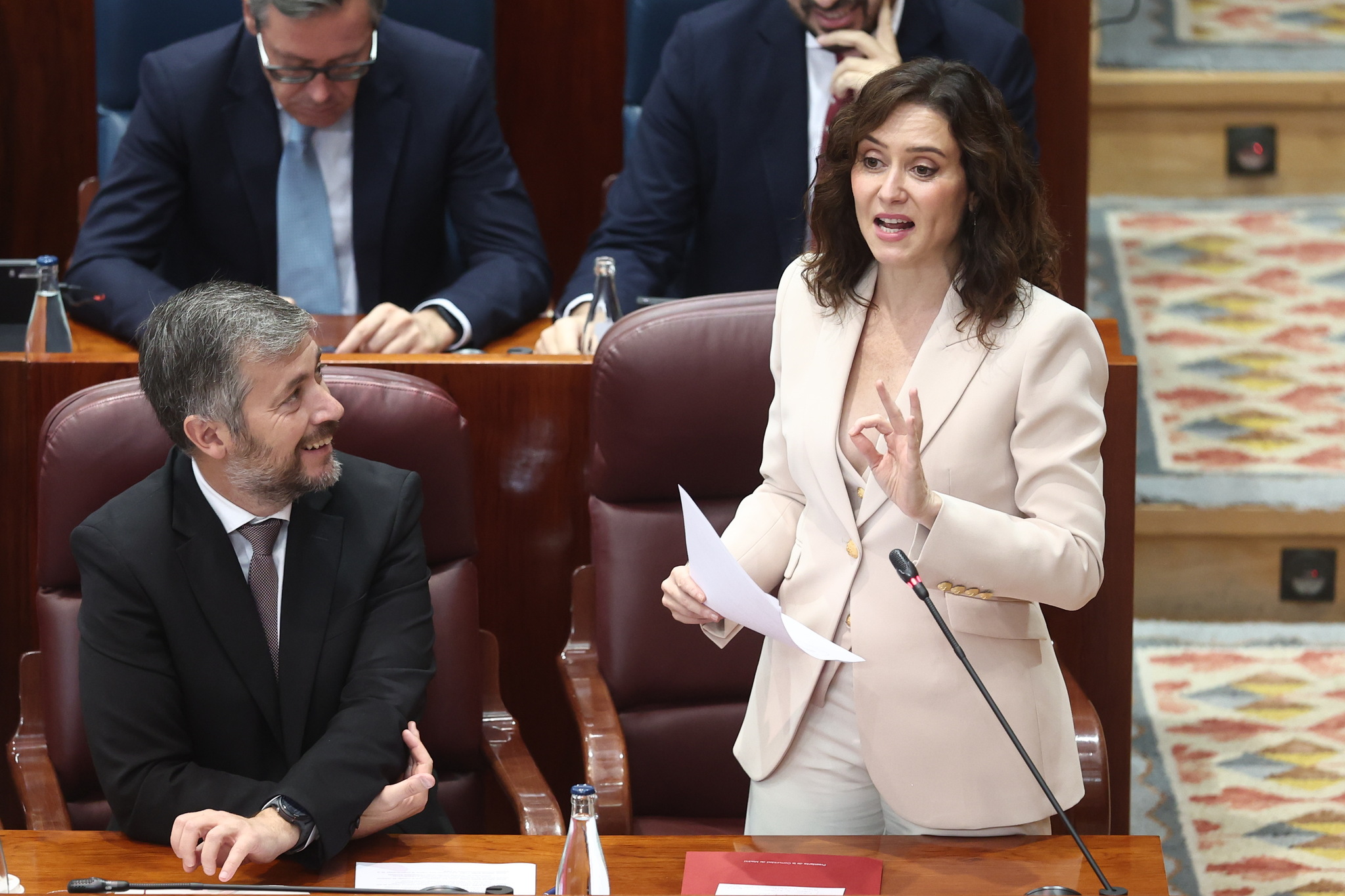
La Asamblea de Madrid da luz verde a la nueva Ley de Apoyo a la Empresa Familiar El Parlamento regional aprobó este jueves la nueva norma, que contempla incentivos fiscales y otras medidas para facilitar los relevos generacionales en los negocios familiares. Leer
expansion · 3 months ago

El examen de matemáticas de las PAU en Catalunya registra 200 quejas en Catalunya La cifra contrasta con los registros en otras asignaturas y llega después de las quejas de los alumnos durante los exámenes de la dificultad y la duración de la prueba
la vanguardia · 3 months ago

Badalona bonifica a las empresas que contraten parados de la ciudad El programa ofrece ayudas de hasta 12.430 euros por contratación indefinida y permite impulsar la inserción laboral de personas mayores de 30 años con dificultades de acceso al mercado de trabajo
la vanguardia · 3 months ago

Educación y sindicatos naufragan de nuevo en la negociación: sin acuerdo en inclusión educativa El gobierno valenciano propone 1.249 puestos para atendiendo todas las demandas del colectivo docente durante las semanas de reuniones en el desarrollo de la huelga indefinida
la vanguardia · 3 months ago

«Si lon veut répondre aux défis du papy-boom, le plus rationnel, cest limmigration» Emmanuel Macron décrète le «réarmemement démographique», mais la réalité des familles a changé. Et des sujets démographiques majeurs comme lespérance de vie future et le recours à limmigration restent occultés dans une grande partie du débat public. Notre émission avec Armelle Andro et François Héran.
mediapart · 3 months ago

« Non au massacre » : des journalistes, menacés par les plans sociaux et larrivée de lIA, manifestent pour « défendre linformation » Plusieurs centaines de professionnels de la presse ont manifesté, jeudi, à Paris, pour alerter sur la crise du secteur, entre plans sociaux qui se multiplient, modèle économique fragilisé et bouleversements liés à lintelligence artificielle.
le monde · 3 months ago
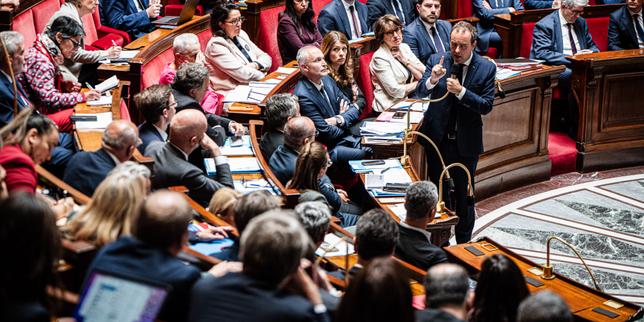
Autonomie de la Corse : les députés achèvent lexamen du projet de loi constitutionnelle Le projet de loi permettrait à la collectivité de Corse de décider dadaptations législatives et réglementaires spécifiques à lîle pour des textes existants. Le vote aura lieu mardi.
le monde · 3 months ago
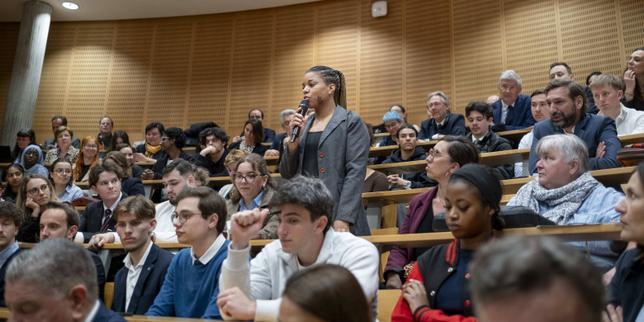
Universités : la préconisation dune hausse des frais dinscription suscite un vif émoi Lune des premières pistes présentées mardi 16 juin lors des Assises du financement des universités, qui consisterait à augmenter les frais dinscription pour quils représentent 10 des recettes des établissements denseignement supérieur, crée linquiétude au sein des organisations étudiantes.
le monde · 3 months ago

„Mit der Männerhasserin kann ich ganz gut leben, sagt Jette Nietzard Im Podcast von Melanie Amann offenbart Nietzard einen unversöhnlichen Blick auf den männlichen Teil der Bevölkerung. Jeder Mann sei „das ganze Leben auf Bewährung. Mit der Arbeit ihrer zurückliegenden Rolle als Sprecherin der Grünen Jugend zeigt sie sich rundum zufrieden.
welt.de · 3 months ago
Vorwürfe gegen das Potsdamer Jugendamt: Ausschuss beschließt externe Überprüfung – nach heftiger Debatte Das für die Jugendhilfe zuständige Gremium stritt am Donnerstag über die Konsequenzen aus aktuellen Beschwerden gegen die Behörde. Womöglich schwelt im Hintergrund ein Machtkampf.
tagesspiegel · 3 months ago
Reformen: Achtstundentag: Wirtschaft und Union gegen Reformentwurf Ein erster Entwurf zur Reform der Arbeitszeiten in Deutschland sickert durch. Und stößt sofort auf Widerspruch. Es geht um den Achtstundentag.
handelsblatt · 3 months ago
AfD-Politiker unterstützt CDU: Eine angebräunte Spende Ein AfD-Kommunalpolitiker spendet an die CDU. Für die Partei ist das okay, denn schließlich ist der Spender parteilos und sogar für die CDU aktiv. mehr...
taz.de · 3 months ago
Com chegada de brasileiros, vila portuguesa reabre salas de aulas fechadas há anos Rui Cruz, prefeito de Vagos, na região central de Portugal, diz que a população da cidade voltou a crescer e que filhos de imigrantes estão repovoando os colégios, que andavam com salas vazias.
publico · 3 months ago
Valter Hugo Mãe: Andamos fascinados com a regressão a uma certa infantilidade Assinala 30 anos de percurso literário com um romance e o início de uma nova tetralogia. Recorrendo à fantasia e ao humor, O Século dos Imbecis indaga os crimes que este tempo deixará aos vindouros.
publico · 3 months ago

17h. Lei Laboral. Hugo Soares diz que proposta será aprovada No entanto, nenhum partido se comprometeu com um sentido de voto na votação de amanhã. Ainda, o ministério da educação admite uma falha no exame de português do 12º ano e pede uma averiguação.
observador · 3 months ago

El Congreso exige al Gobierno que cumpla el Plan Renove para coches de combustión de bajas emisiones El sector del automóvil celebra la aprobación de una proposición, con los votos en contra de PSOE y Sumar, para poner en marcha las ayudas a la compra de vehículos de bajas emisiones, incluidos los de combustiónEl PP europeo maniobra de nuevo para que los coches puedan contaminar más y provoca un cisma en la UE El Congreso de los Diputados ha instado al Gobierno a poner en marcha de forma inmediata el Plan Nacional de Renovación del Parque Automovilístico previsto en la Ley de Movilidad Sostenible, una iniciativa largamente reclamada por el sector del automóvil y que acumula más de tres meses de retraso respecto al calendario fijado por la propia norma. Contesta el Barómetro de Movilidad y Automoción 2026 en este enlace La medida ha salido adelante este jueves en el Pleno de la Cámara Baja dentro de una proposición no de ley impulsada por el Partido Popular para exigir el cumplimiento de diversos compromisos pendientes de la Ley de Movilidad Sostenible. La iniciativa ha contado con 185 votos a favor, 152 en contra (PSOE y Sumar) y 10 abstenciones. La propuesta reclama la creación de un plan nacional destinado a sustituir los vehículos más antiguos por otros más modernos, seguros y eficientes que cumplan la normativa Euro 6d, incluyendo tanto vehículos nuevos como de ocasión. El objetivo es acelerar la retirada de los automóviles de mayor edad, responsables de una parte significativa de las emisiones contaminantes y con peores registros en materia de seguridad vial. La votación supone un respaldo parlamentario a una medida que ya figuraba en la Ley de Movilidad Sostenible. La disposición adicional vigesimoprimera de la norma fijó el pasado 5 de marzo de 2026 como fecha límite para aprobar este programa, un plazo que el Ejecutivo no ha cumplido. El sector celebra el respaldo parlamentario La aprobación de la iniciativa ha sido recibida con satisfacción por las principales organizaciones del sector. La Asociación Nacional de Vendedores y Reparadores de Vehículos (Ganvam) ha aplaudido la decisión del Congreso de exigir al Gobierno la activación del plan y ha recordado la necesidad de desplegar ayudas directas que permitan rejuvenecer uno de los parques automovilísticos más envejecidos de Europa con una media de más de 14 años en los turismos. La patronal considera prioritario incentivar el achatarramiento de los vehículos más antiguos, al tiempo que defiende un enfoque basado en la neutralidad tecnológica. En este sentido, apuesta por que las ayudas faciliten el acceso a vehículos eficientes de hasta cinco años de antigüedad, incluidos los usados, para hacer accesible la movilidad sostenible a todas las rentas. También Faconauto ha recordado que los concesionarios llevan tiempo reclamando un programa estable y previsible de renovación del parque, al considerar que constituye una herramienta esencial para la política industrial y de movilidad del país. Esas ayudas tienen el precedente de los planes que aplican varias comunidades autónomas con incentivos para vehículos de bajas emisiones sin excluir los de combustión. Es una buena noticia que la mayoría de los grupos parlamentarios vean la renovación del parque como una política de país, necesaria para cumplir los compromisos de movilidad que España tiene por delante. Faconauto pone su conocimiento del mercado y de los planes ya operativos en las comunidades autónomas para que el plan se diseñe y se ejecute con eficacia, indicó Marta Blázquez, presidenta de Faconauto. Ayudas también para vehículos de combustión eficientes La reivindicación del sector pasa por que el futuro plan no se limite exclusivamente a los vehículos eléctricos, sino que incluya todas las tecnologías capaces de reducir emisiones y consumo. El texto aprobado por el Congreso recoge precisamente la sustitución de vehículos antiguos por otros que cumplan la norma Euro 6d, lo que abre la puerta tanto a modelos eléctricos como híbridos, de gas o de combustión de última generación. Las patronales recuerdan que muchos hogares no pueden asumir el coste de un vehículo eléctrico nuevo y que la renovación por modelos más modernos, incluso de ocasión, ya genera importantes beneficios ambientales. Según sus estimaciones, un coche de más de diez años puede consumir entre un 20 y un 30 más combustible, con las emisiones que se derivan, que un modelo reciente equivalente. Una medida con impacto social, ambiental y de seguridad El sector defiende que la puesta en marcha del Plan Renove responde a tres objetivos principales. El primero es social, al reducir el impacto que tienen las subidas de los carburantes sobre las familias con menor capacidad económica, que suelen conservar los vehículos más antiguos. El segundo es ambiental, ya que la renovación del parque permitiría disminuir las emisiones contaminantes del transporte y contribuir al cumplimiento de los compromisos europeos de descarbonización y calidad del aire. Por último, las organizaciones del automóvil subrayan el beneficio en materia de seguridad vial. La antigüedad media del parque español se aproxima a los quince años, una cifra récord que refleja el retraso en la sustitución de vehículos y que limita la penetración de tecnologías de seguridad cada vez más avanzadas.
eldiario.es · 3 months ago

La Justicia europea avala el 25 de español en los colegios de Cataluña: "Recibir una educación en la lengua estatal es crucial" El Tribunal de Estrasburgo determina que "la práctica consolidada de la escuela de enseñar exclusivamente en catalán perjudicó significativamente a las familias españolas" Leer
elmundo · 3 months ago