Loading…
 Saturday, September 26Saturday, September 26
3 months · 3 summary articles
Czech government faces scrutiny as civil service jobs allegedly tied to party loyalty
Government weakens nature protection: Controversial appointments spark backlash
Pavel Straka, real-estate tycoon tied to anti-regulation lobby, named Czech Environmental Inspectorate chief
The Czech Environmental Inspectorate has a new leader—and he’s a sponsor of the Motorists’ political movement. On 18 June 2026 the Ministry of the Environment announced that Pavel Straka, a real-estate entrepreneur who has donated to the Motorists, will head the state body charged with policing pollution, waste and industrial compliance. The appointment follows a second, successful selection process after the first attempt was blocked by the Government Office in May 2026.
Straka’s candidacy was controversial from the start. The ministry’s screening commission ultimately chose him despite his ties to the Motorists, a lobby group that campaigns against stricter environmental rules. Environmental NGOs immediately criticised the decision, arguing that Straka’s business interests in property development could conflict with his regulatory duties. “A regulator who profits from land use cannot credibly police air quality or water permits,” said Jitka Zemanová of Green Future, a Prague-based NGO .
The Environmental Inspectorate has been without a permanent director since January 2026, when the previous chief resigned amid allegations of procedural irregularities. The post is classified as a “high-level civil-service position,” meaning Straka can be dismissed only for cause. His three-year mandate begins on 23 June 2026.
Reaction in Parliament split along party lines. Opposition deputies from the Pirate Party and STAN demanded an extraordinary session to review the appointment, while the governing coalition defended the process. “The commission followed transparent rules and Straka’s professional background is strong,” said Environment Minister Petr Hladík, a member of the Mayors and Independents party .
Straka himself struck a conciliatory tone. “I will enforce the law without fear or favour,” he told reporters in Prague. “If any conflict arises, I will recuse myself immediately.” His first public appearance as director is scheduled for 25 June 2026 at an EU-wide meeting of environmental inspectors in Brno.
The appointment underscores the political sensitivity surrounding environmental enforcement in the Czech Republic. In May 2026 the European Commission opened an infringement procedure against Prague for failing to meet air-quality limits in Ústí nad Labem and Teplice. Brussels has given the government until September 2026 to submit a compliance plan.
Follow us for live European news

Se todos temos espaço na empresa? Não temos António Maria Soares Franco é co-CEO da José Maria de Fonseca. A produtora de vinhos nasceu há 200 anos em Azeitão e continua a ser uma empresa familiar. Como pesa a história e a família na gestão?
observador · 3 months ago

Ο πρύτανης του ΑΠΘ Κυριάκος Αναστασιάδης στο protothema: Ανεβάζουμε ταχύτητα σε όσα έπρεπε να έχουν γίνει από χρόνια, τι νέο έρχεται Ο Καθηγητής Καρδιοχειρουργικής μιλά για τον έναν χρόνο στο τιμόνι της Πρυτανείας του Αριστοτελείου Πανεπιστημίου Θεσσαλονίκης
protothema · 3 months ago
Șeful uneia dintre cele mai mari firme de băuturi din lume a cerut directorilor concedieri și reduceri de costuri, scrie Financial Times Măsurile vin ca răspuns la vânzările slabe din America de Nord, cea mai mare piață a companiei, iar amploarea tăierilor va fi dezvăluită săptămâna viitoare, potrivit Reuters, care citează Financial Times. Noul director general al companiei Diageo, producătorul mărcii Johnnie Walker, Dave Lewis, a solicitat directorilor executivi să reducă numărul de angajați și alte costuri. …
hotnews.ro · 3 months ago
Hernádi Zsolt lemondott a Corvinus fenntartói kuratóriumának éléről Bár a Mol-vezér szerint a modellváltás jót tett a Corvinusnak, de látja, hogy új rendszer jön. Ennek kialakításában már nem akar szerepet vállalni, „ hiszen óhatatlanul elfogult lennék a saját munkámmal szemben.
444.hu · 3 months ago
Finanszírozhatatlanná vált, lemondták a Jazzfestet „Mostantól kezdve minden erőnkkel a károk enyhítésén fogunk dolgozni – írta Kleb Attila fesztiváligazgató.
444.hu · 3 months ago
Šéfem Krkonošského národního parku bude Petr Moravec. Ministr Červený vybíral ze tří finalistů Ředitelem Správy Krkonošského národního parku jmenoval ve čtvrtek ministr životního prostředí Igor Červený (Motoristé) pedagoga České lesnické akademie Trutnov Petra Moravce. Moravec byl také vedoucím kanceláře bývalého ředitele parku Robina Böhnische, kterého ministr odvolal z funkce letos v březnu.
irozhlas.cz · 3 months ago
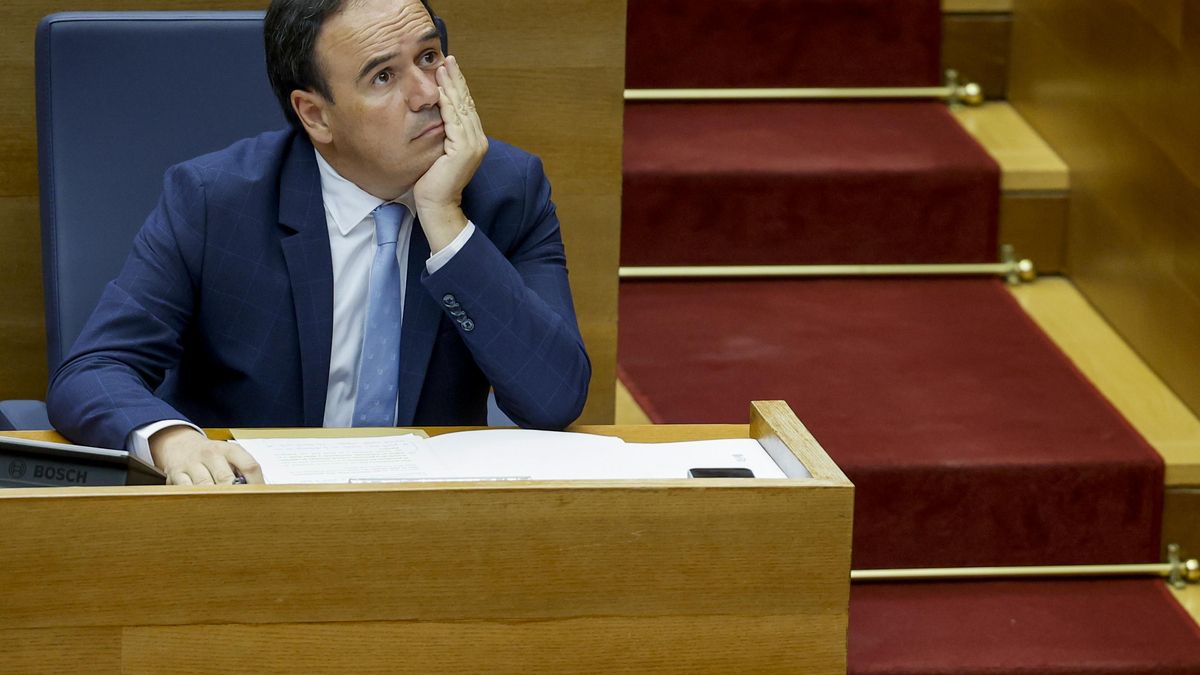
La pareja de Pérez Llorca renuncia a renovar la comisión de servicio en la Diputación de Valencia La funcionaria del Ayuntamiento de Finestrat no opta a seguir en el puesto de secretaria de dirección tras haberse cumplido los seis primeros mesesPérez Llorca dice que su pareja ganó la plaza por su experiencia y el PSPV y Compromís hablan de traje a medida Vanesa Soler, funcionaria del Ayuntamiento de Finestrat y pareja del presidente de la Generalitat, Juanfran Pérez Llorca, no renovará la comisión de servicio en una plaza de secretaria de dirección en la Diputación de Valencia en la que fue nombrada el pasado 3 de marzo, según han confirmado a elDiario.es fuentes de la institución provincial. La concesión de esta plaza generó un gran revuelo en la opinión pública y fue muy criticada por la oposición en las Corts Valencianes, que dudaba de la legalidad de la creación del puesto. La Diputación de Valencia organizó un proceso para proveerse de una plaza de secretaria de dirección del Centro de Asistencia a Municipios de la institución provincial. Soler y otras dos candidatas optaron a la plaza, que consiguió adjudicarse la pareja del presidente de la Generalitat tanto por sus años como funcionaria como por haber estado en un puesto similar. El proceso fue denunciado por PSPV y Compromís, que aseguraron que el puesto se podría haber hecho a medida. En este puesto que ganó en comisión de servicios, la funcionaria de Finestrat pasaba de ganar más de 53.000 euros al año cuando en Finestrat su sueldo era de 38.000, según hizo público en las Corts el propio presidente de la Generalitat. El presidente de la Generalitat siempre ha defendido la legalidad de la comisión de servicio y llegó a argumentar que el motivo del traslado del Ayuntamiento de Finestrat a la Diputación de Valencia fue la conciliación familiar. La comisión de servicios adjudicada prevé un plazo inicial de seis meses, aunque se puede prorrogar tantas veces como justifique el equipo de Gobierno. Vanesa Soler se incorporó al puesto, que depende del diputado provincial Ricardo Gabaldón, según un decreto del pasado 3 de marzo firmado por la vicepresidenta y responsable de Personal, Reme Mazzolari. El plazo de presentación de solicitudes para optar a la comisión de servicios fue del 29 de enero al 4 de febrero. El 20 de febrero, el Ayuntamiento de Finestrat aceptó la comisión de servicios de la funcionaria. La oposiciín ha pedido toda la documentación, tanto del proceso en la Diputación de Valencia como en el consistorio alicantino.
eldiario.es · 3 months ago

Pere Rosales invita a repensar el liderazgo desde los errores El fundador y CEO de Inusual, Pere Rosales, aborda en 101 errores de liderazgo y cómo podemos aprender de ellos las inercias que condicionan la forma de dirigir y acompañar equipos
la vanguardia · 3 months ago
Führungskräfte: Hochqualifiziert, erfolgreich, arbeitssuchend – Vier Betroffene berichten In der Krise finden auch Menschen, deren Karrieren bislang steil nach oben gingen, keinen Job mehr. Vier Betroffene erzählen, vor welche Herausforderungen sie das stellt.
handelsblatt · 3 months ago
Inspekci životního prostředí převzal sponzor Motoristů, který podniká v realitách Ministerstvo životního prostředí na druhý pokus vybralo nového šéfa České inspekce životního prostředí. Zatímco poprvé problematické řízení zastavil Úřad vlády, nyní komise vybrala Pavla Straku. Podnikatel v realitách za Motoristy kandidoval a posílal jim sponzorské dary.
denik n · 3 months ago
:format(jpg)/f.elconfidencial.com%2Foriginal%2F819%2Fee9%2Fcaf%2F819ee9cafa1dd4f62b89ce073f0b5424.jpg)
La pareja del presidente valenciano Pérez Llorca renuncia a consolidar la plaza de la Diputación de Valencia Vanesa Soler no concurre al proceso para afianzar el puesto de secretaria de dirección, con un salario de 52.000 euros y cuya designación provocó críticas de la oposición. Estaba siendo investigada por Antifraude
el confidencial · 3 months ago
KUKU ⟩ Kütuseühingu juht: konkurentsiameti kiri tuli kui välk selgest taevast Konkurentsiameti hiljutine soovitus kütusemüüjatele hoiduda avalikest kommentaaridest kütusehindade muutuste kohta on tekitanud sektoris segadust. Eesti Transpordikütuste Ühingu tegevjuhi Krista-Maria Alasi sõnul tuli ameti kiri turuosalistele täieliku üllatusena ning praegu pole selge, mida täpselt võib ja mida ei või avalikult öelda.
postimees · 3 months ago
Nový kampus pro pardubickou univerzitu. Budova ze 70. let dostala odpočinkové zóny i plechový zevnějšek Dopravní fakulta Univerzity Pardubice má nově opravenou budovu, zvenčí ji zdobí třeba i vlnitý plech. Uvnitř osmipatrového domu pro studenty a zaměstnance vznikla odpočinková zóna. Ze dřevem obložených prostor na chodbách se lze dostat na venkovní lodžie. Celková rekonstrukce trvala rok a půl a stála 150 milionů korun.
irozhlas.cz · 3 months ago
Inspekci životního prostředí povede Straka, který kandidoval za Motoristy. Ministr cení jeho zkušenosti Ministr Igor Červený (Motoristé) jmenoval novým ředitelem České inspekce životního prostředí podnikatele a volebního kandidáta Motoristů Pavla Straku. Ministerstvo životního prostředí to ve čtvrtek sdělilo v tiskové zprávě. Bývalý ředitel inspekce Petr Bejček odstoupil na konci ledna z funkce kvůli přestupu na ministerstvo financí. Straka, který za Motoristy kandidoval na jižní Moravě, je významným sponzorem strany.
irozhlas.cz · 3 months ago
Dům pro seniory i památník dětské opery. Studenti architektury v Liberci vystavují semestrální práce Na Technické univerzitě v Liberci začala akce Ještěd F Kleci. Jde o studentskou soutěž semestrálních prací oboru umění a architektury. Koná se každý semestr, tentokrát je to 36. ročník. Díla budou k vidění ve čtvrtek a v pátek ve výstavním prostoru v budově F. Lidé se můžou zúčastnit také čtvrteční besedy s porotci nebo zítřejšího vyhlášení vítězů.
irozhlas.cz · 3 months ago
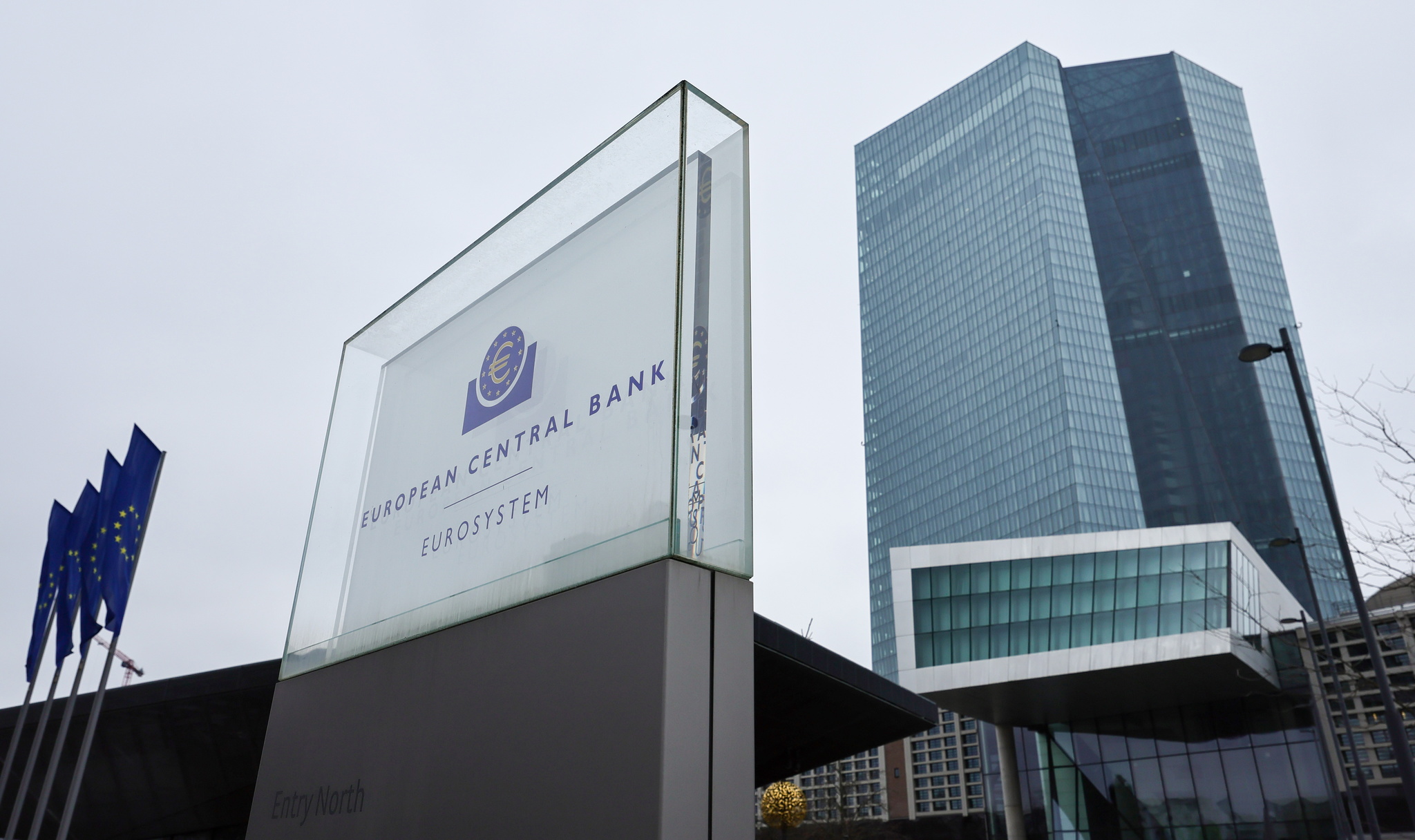
La salida de españoles del BCE tras Luis de Guindos continúa debido a dos jubilaciones Se trata de José Vicente Martín Lisalde y de Francisco Gil Almansa, dos responsables de división. Los dos ejecutivos más influyentes que quedan tras el final de mandato de Luis de Guindos son Óscar Arce y Eva Murciano. Leer
expansion · 3 months ago
Nach Schließung maroder Gebäude: Technische Universität Berlin zieht personelle Konsequenzen Die TU Berlin steht wegen der katastrophalen Gebäudesituation unter Druck. Jetzt muss ein zentraler Verantwortlicher seinen Dienst quittieren.
tagesspiegel · 3 months ago
Hernádi Zsolt lemondott a Corvinus-kuratórium elnökségéről A Mol Nyrt. elnök-vezérigazgatója azt írja, nem tartaná helyesnek, ha az egyetem új rendszerének kialakításában régi elnökként szerepet vállalna.
hvg.hu · 3 months ago