
Hungarys anti-graft chief charged with corruption as Budapest faces insolvency
Story Timeline
4 months · 5 summary articles
A corruption scandal has engulfed Hungary’s anti-graft watchdog just days after its embattled president, Ferenc Biró, described himself as a victim of the country’s ruling Fidesz system. Prosecutors filed formal charges against Biró on Tuesday, alleging abuse of office and financial irregularities during his tenure at the Integrity Authority. The move comes as Budapest faces insolvency by next week, with municipal coffers reportedly empty and Fidesz’s Saturday party congress expected to trigger a political earthquake.
Biró, who only last week told an interviewer that he had been “crushed” by the National System of Cooperation (NER), now stands accused of diverting public funds and awarding lucrative contracts to allies. The charges follow a forensic audit that uncovered 1.2 billion forints (€3 million) in unexplained payments from Integrity Authority budgets to shell companies linked to Fidesz-aligned figures. “The optics could not be worse,” said political scientist Márta Párkányi. “Here is the man who was supposed to clean up corruption now facing the same courts he once oversaw.”
The scandal deepens a week of cascading crises for Prime Minister Viktor Orbán. On Monday, prosecutors froze all municipal accounts in Budapest after the city’s debt reached 87 billion forints (€215 million), leaving schools, hospitals and public transport scrambling for cash. Analysts warn the capital may default on bond payments as early as Friday unless emergency EU funds are unlocked. “This is not just a cash-flow problem,” said economist Gábor Hunyadi. “It is a crisis of confidence in the entire NER model.”
Across Central Europe, similar controversies are testing anti-corruption institutions. In the Czech Republic, former ANO deputy Jan Richter—once the party’s second-ranking figure—is poised to join the board of Severočeská vodárenská, a billion-crown utility, despite an ongoing probe into a 450-million-crown kickback scheme in Ústí nad Labem that implicated ANO officials. Richter, who denies wrongdoing, told iROZHLAS that his candidacy is “about clean water, not corruption.”
In Sweden, Jimmie Åkesson, leader of the Sweden Democrats, is under fire after TV4’s Kalla Fakta revealed that his party’s subsidiary purchased 80,000 copies of his book *Det moderna folkhemmet*, funneling public funds into his private company. Legal experts call the deal a “textbook case of conflict of interest.” Åkesson has not responded to requests for comment.
Meanwhile, Ukraine’s President Volodymyr Zelensky told a closed NATO session that Ukrainian forces are now “militarily stronger than at any point in the past two years,” a claim that comes as Kyiv braces for a new Russian offensive in the east. The timing underscores the widening gap between Europe’s anti-corruption struggles and the continent’s escalating security threats.
Follow us for live European news
- 3
- 2
- 2
- 1
- 1
- 1
- 1
- 1
- 1
- 1
- 1
- 1
- 1
2 further sources not geolocated
Articles

VIDEO ⟩ Kohus valetab. Välja arvatud siis, kui Kuusemaadele mainekahju eest raha välja mõistab Suure-Lähtru Tammejuure talu ja perekond Kuusemaade nime ei toonud Eesti avalikkuse ette ajakirjanikud ega internetikommentaatorid. Selle tõi sinna nende enda tütar. Ometi käib aastaid hiljem edasi võitlus selle üle, kes tohib juhtunut mäletada, kes tohib sellest rääkida ja kes peab selle eest kohtus vastutama. Pärast kohtuistungit, kus Kuusemaad hagevad Postimeest, jäi õhku üks küsimus: kui kohtud eksivad Kairi Kuusemaa süüküsimuses, miks ei eksi nad mainekahju hagides?
postimees · 4 months ago
Volt egy utolsó jó évük a Fidesz-közeli alapítványoknak A NER utolsó évében 77 milliárddal lettek gazdagabbak, ebből 60 milliárd volt az MCC vagyongyarapodása.
444.hu · 4 months ago
Parceira de Eurico Castro Alves na cannabis medicinal está detida Empresária acusada de rapto, ligada a sociedades insolventes e arbitragens internacionais de milhares de milhões de euros, foi sócia da empresa de cannabis que recrutou antigo presidente do Infarmed.
publico · 4 months ago
«Pronto, sono lIspettore»: la truffa del contrassegno intercettata dalla GdF Una telefonata, un pacco in arrivo e la richiesta di pagare 180 euro per poter annullare un abbonamento mai sottoscritto. È il copione della cosiddetta truffa del contrassegno postale, smascherata...
il sole 24 ore · 4 months ago

Law firms cheated in filing claims with NFLs $1 billion concussion settlement fund, report says The court officials overseeing the NFLs $1 billion settlement fund for concussion-related injuries have barred five law firms from handling any more claims from former players, after finding that they fraudulently steered clients toward doctors willing to give them a Parkinsons disease diagnosis whether they exhibited symptoms or not
independent · 4 months ago
Platform Secure Trust Offshore Bank Tidak Boleh Keluarkan Wang, Apa Puncanya? - Backside World
gdeltproject.org · 4 months ago
Jimmie Åkesson sålde böcker till SD – miljonaffär kritiseras Jimmie Åkesson (SD) sålde 80 000 upplagor av sin egen bok till SD:s dotterbolag. Det ledde till att skattepengar slutade i hans eget bolag, avslöjar TV4:s Kalla Fakta.– Det blir korruption, att det offentliga letar sig in och omvandlas till privata pengar, säger Olle Lundin, professor i förvaltningsrätt.
expressen · 4 months ago
Molestie sul lavoro, la lezione della Cassazione: se un fatto non si può provare, non è detto che sia falso di Renato Albanese * Una recente pronuncia della Corte di Cassazione, sentenza n. 4339/2026, richiama un principio di grande rilievo per la gestione delle segnalazioni di molestie nei luoghi di lavoro: la mancata prova di un fatto non equivale alla dimostrazione della sua falsità. Il caso riguardava una lavoratrice che aveva denunciato molestie sessuali sul […] Larticolo Molestie sul lavoro, la lezione della Cassazione: se un fatto non si può provare, non è detto che sia falso proviene da Il Fatto Quotidiano.
il fatto quotidiano · 4 months ago
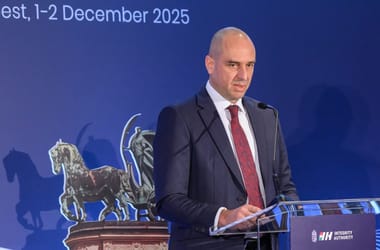
Korrupt a korrupcióellenes hatóság elnöke is? – Newscast Biró Ferenc, az Integritás Hatóság elnöke ellen vádat emeltek – pár nappal azután, hogy ő magát a NER egyik áldozatának mondta egy interjúban. Alapjaiban változhat meg a Fidesz szombaton, jövő hétre fizetésképtelenné válhat a főváros. Van, aki nem a pénzért lett miniszter. Zelenszkij szerint katonailag két éve nem voltak olyan erősek, mint most. Ez a Newscast, a HVG hétköznap reggelente jelentkező hírpodcastja.
hvg.hu · 4 months ago

Kertészek, menzák, parkolók: hogyan burjánzott el a Fidesz idejében az önkormányzati korrupció? Nagymesterek, dörgölőző vállalkozók és más kijáróemberek uralták le a közbeszerzések világát az elmúlt évtizedekben – ez bontakozik ki a most nyilvánosságra kerülő, főként önkormányzatokat érintő korrupciós botrányokból. A milliárdos vesztegetések azonban még csak a kisebb halakat buktatják le.
hvg.hu · 4 months ago

State blindness to abuse outlined by Bill Kenneally report Former basketball coach and serial child sex abuser was given favourable treatment when crimes came to light
irish times · 4 months ago
Åkessons boksuccé – köptes av SD:s bolag TV4:s Kalla fakta avslöjar att SD-ledaren Jimmie Åkessons egenutgivna bok Det moderna folkhemmet sålts i stora mängder till Sverigedemokraternas dotterbolag.
svenska dagbladet · 4 months ago
Waarom er zoveel mis blijft gaan bij zaaddonatie Van artsen die hun eigen zaad gebruikten tot klinieken die alle regels negeerden. Afgelopen decennia kwam een reeks misstanden rond donorconceptie aan het licht.
nrc · 4 months ago

Wer zum ORF-Generalshearing will, muss Anteile und Jobs bei Medien vorher aufgeben Einladung in Stiftungsrat mit Aufforderung, Gesellschafts- und Arbeitsverhältnisse bei Medien bis zum Hearing am Donnerstag aufzugeben. Tut Eva Schütz das? "Ja", antwortet sie
der standard · 4 months ago
F24 in pensione: il Fisco può prelevare i soldi direttamente dal conto corrente Il meccanismo, previsto dal decreto Semplificazioni, di fatto consentirà di pagare tutte le somme dovute allAgenzia delle Entrate con lo stesso meccanismo con il quale si pagano oggi la maggior parte delle bollette
corriere · 4 months ago

Global brands likely using mineral that funds rebels accused of atrocities in DRC, investigation finds Amazon and Sony among firms that may have sourced coltan, used in phones, from supply chains controlled by the M23 rebels, says Global WitnessLeading global brands including Amazon, Ericsson and Sony are likely to have sourced minerals linked to a militia accused of widespread sexual violence, summary executions and torture, a new investigation claims.The companies allegedlybut unknowingly, acquired coltan smuggled from mines in the Democratic Republic of the Congo (DRC) that are occupied by the M23 militia, which has committed myriad atrocities in eastern DRC. Continue reading...
theguardian · 4 months ago

Super-richs assets cause outsized amount of climate harm, study says Greenpeace calculates that wealthiest contribute nearly $1tn of damage a year with ownership-based emissionsUltra-wealthy people zooming across the world on their private jets, lounging on yachts and conspicuous by their Instagrammable consumption are among the most easily identified individual culprits when it comes to the climate crisis – but new research argues that it is not just their heady lifestyles to blame, but also their bank accounts.Through their ownership of companies and private financial and physical assets, from oil producers to property developments, the super-rich are responsible for an outsized slice of the greenhouse gases that are overheating the planet. The top 1 of people by wealth, through their shareholdings and investments, control about a quarter of global annual emissions in total. Continue reading...
theguardian · 4 months ago

Charities in England and Wales donate millions to illegal Israeli settlements MP Melanie Ward calls on Charity Commission to look into 32 organisations she says have given at least £28mThirty-two charities in England and Wales have donated at least £28m to Israeli settlements that are illegal under international law, an MP has said.Labours Melanie Ward said that if gift aid were claimed against the donations in the usual way, it would mean taxpayers had subsidised illegal settlements to the tune of £5.6m, a situation she described as deplorable. The foreign secretary, Yvette Cooper, announced on Tuesday that the Charity Commission has been tasked with investigating UK charities links to settlements. Continue reading...
theguardian · 4 months ago
Do vedení miliardového podniku chce poslanec z ANO, v jehož kraji zatřásla hnutím velká korupční kauza Dlouhé roky druhý nejdůležitější muž hnutí ANO po Andreji Babišovi má podle zjištění iROZHLAS.cz nakročeno do vedení největší firmy, v níž se kdy angažoval. Bývalý hlavní manažer hnutí a předseda ANO v Ústeckém kraji Jan Richter se uchází o místo v představenstvu Severočeské vodárenské společnosti. Právě v tomto regionu přitom došlo k největší korupční kauze hnutí ANO.
irozhlas.cz · 4 months ago
PG Gyllenhammars barn vann tvisten med änkan PG Gyllenhammar var legendarisk Volvochef och finansman – i Sverige.Men när han dog var han sedan några år bosatt i Kanada.Efter hans död startade en tvist: Vilket av länderna skulle hantera miljonarvet?Nu har domaren fattat sitt beslut.
expressen · 4 months ago
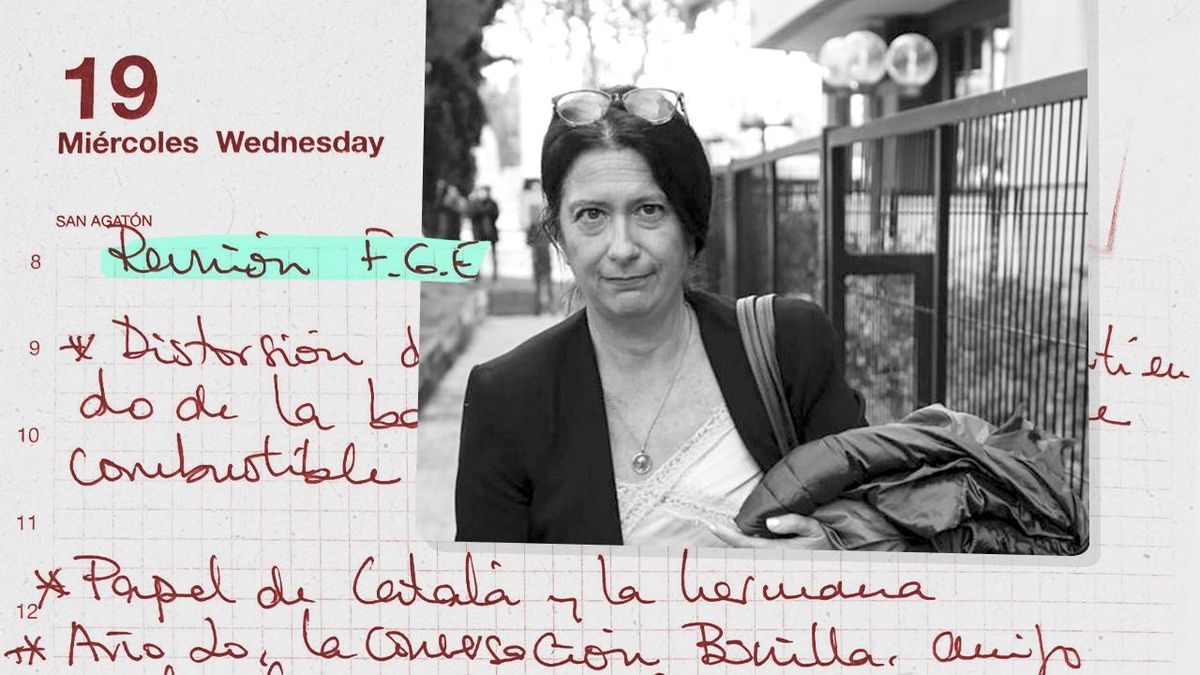
La Fiscalía General tuvo dos reuniones con un abogado y Leire Díez donde presentaron denuncias contra el fiscal Grinda El juez solicita detalles de unos encuentros con el jefe de la Secretaría Técnica que llegaron precedidos de una decena de escritos de queja o recursos del empresario Pérez Dolset por los mismos hechosTodas las promesas incumplidas de Leire Díez: ni exterminar jueces, ni destruir investigaciones La exmilitante socialista Leire Díez, imputada por supuestos delitos relacionados con sus maniobras para buscar irregularidades en la actuación de los jefes de la UCO o de la Fiscalía Anticorrupción que investigaban a dirigentes socialistas, apuntó en su agenda personal una reunión con la Fiscalía General del Estado el 19 de febrero de 2025. El juez Santiago Pedraz, que dirige la investigación en la Audiencia Nacional, ha solicitado a esta institución un informe sobre esos supuestos encuentros. elDiario.es ha confirmado en fuentes próximas a la trama investigada que se produjeron dos reuniones con el jefe de la Secretaría Técnica de la Fiscalía General del Estado, Diego Villafañe, en la que estuvieron presentes el abogado Jacobo Teijelo, con quien se había concertado la cita, y la exmilitante socialista Leire Díez, que le acompañó. El abogado Teijelo denunció en el primer encuentro mantenido en la Fiscalía General del Estado las numerosas irregularidades supuestamente cometidas por el fiscal Anticorrupción, José Grinda, en algunos procedimientos judiciales. Entre las causas penales que citó figura una pieza separada del caso Tándem en la que está imputado por fraude en las subvenciones el empresario Javier Pérez Dolset, cliente de Teijelo; o la que llevó a la cárcel a Sandro Rosell, el expresidente del F. C. Barcelona, absuelto tras pasar 643 días en prisión preventiva. La Secretaría Técnica de la Fiscalía General del Estado reclamó en la primera de las reuniones, según cuenta el entorno de la trama de Leire Díez, documentación en la que se basaba la denuncia contra Grinda, por lo que se concertó una segunda cita para entregar las supuestas pruebas que pudieran avalar el relato de Teijelo. Entre esas pruebas llevaron grabaciones del supuesto montaje que terminó con Sandro Rosell en prisión o la supuesta desaparición de pruebas relevantes en el caso por el que estaba imputado Pérez Dolset. La Fiscalía General del Estado ha preferido guardar silencio sobre estas citas. El abogado Jacobo Teijelo es ahora es uno de los dos letrados que defienden a Santos Cerdán, el ex secretario de Organización del PSOE imputado en el caso de supuesto amaño de obras públicas del Ministerio de Transportes que investiga la Audiencia Nacional. El fiscal Villafañe llegó a estar imputado en el caso que acabó con la condena del fiscal general del Estado, Álvaro García Ortiz, y su causa fue archivada en la fase de instrucción sin llegar a juicio. Captura1 Teijelo fue también el abogado que convocó en su despacho una reunión con empresarios de hidrocarburos imputados por fraude fiscal en la que estuvieron Pérez Dolset y Díez. En esa reunión, grabada y filtrada por uno de sus participantes, la trama se interesaba por la existencia de trapos sucios del teniente coronel de la Guardia Civil Antonio Balas, jefe de las principales investigaciones contra dirigentes corruptos socialistas. La Fiscalía General del Estado ha registrado y tramitado desde 2022 numerosas denuncias por escrito, principalmente firmadas por Pérez Dolset, contra el fiscal anticorrupción, José Grinda, o su jefe, Alejandro Luzón, por diversas irregularidades en la investigación de causas penales vinculadas a la denominada Operación Cataluña y otras. Todas esas denuncias por destrucción de pruebas o revelación de secretos acabaron archivadas tras una rápida tramitación por la Fiscalía General del Estado, que las derivó en algunos casos a la Fiscalía provincial o a la Fiscalía superior de la Comunidad de Madrid.. La trama que investiga la Audiencia Nacional, cuyos principales integrantes serían Pérez Dolset y Leire Díez, asegura que nunca en todo este tiempo tuvo contacto con el ex fiscal general del Estado Álvaro García Ortiz. Y denuncia una vez más la inactividad de esa institución para investigar las supuestas irregularidades existentes en algunas causas que son competencia de la Fiscalía Anticorrupción. El PSOE puso a disposición de la Fiscalía General del Estado un archivo con documentos y grabaciones que había entregado Leire Díez el mismo día que formalizó su baja como militante del PSOE. Ese archivo incluía numerosa documentación de las múltiples denuncias presentadas desde 2022 hasta 2025 en la Fiscalía General del Estado. El análisis de ese archivo, derivado a la Fiscalía de la Audiencia Nacional, tampoco dio lugar a nuevas investigaciones sobre lo denunciado por la exmilitante socialista. Entre las maniobras de Leire Díez, la investigación judicial también señala una reunión para buscar información comprometedora del fiscal jefe Anticorrupción, Alejandro Luzón. Díez se citó con Ignacio Stampa, el fiscal que impulsó en Anticorrupción decenas de piezas separadas del caso Tándem, la investigación de la mafia policial que encabezaba el comisario José Manuel Villarejo y que durante años hizo la guerra sucia a los adversarios políticos del PP. El encuentro, promovido por Javier Pérez Dolset con la ayuda del empresario Luis del Rivero, fue grabado por Stampa, quien presentó una denuncia algún tiempo después. Leire Díez llegó a comprometerse con el fiscal en devolverle a la plaza que perdió a cambio de información sobre los motivos por los que el jefe de Anticorrupción, Alejandro Luzón, había dejado morir determinadas investigaciones judiciales del caso Tándem. El fiscal no ofreció ninguna información y tampoco creyó aquella promesa de quien se presentó como la mano derecha de Santos Cerdán. La persona encargada de recuperarle para ocupar un puesto en Anticorrupción era el fiscal general del Estado, Álvaro García Ortiz, a quien Stampa llevaba años denunciando como el culpable de la pérdida de su plaza. Leire Díez nunca hizo gestiones para cumplir con lo prometido a Stampa, al menos según la investigación que acaba de iniciar la Audiencia Nacional.
eldiario.es · 4 months ago

Aux Etats-Unis, une juge fédérale interdit linhalation dazote comme méthode dexécution en Alabama La magistrate estime, dans sa décision, que ce moyen dexécution viole linterdiction constitutionnelle des peines cruelles et inhabituelles. Cette méthode est comparée par des experts de lONU à une forme de « torture ».
le monde · 4 months ago
Mimovládka kľúčového muža známej kauzy dostane vládnu dotáciu Dovolenkoval s jakšíkovcami, daniari mu zakázali podnikať. Za mimovládku teraz podpísal zmluvu o dotácii s ministrom financií.
aktuality.sk · 4 months ago