More than 3,200 migrants have been rescued from the Atlantic Ocean in the first six days of November, overwhelming reception facilities on Spain's Canary Islands.
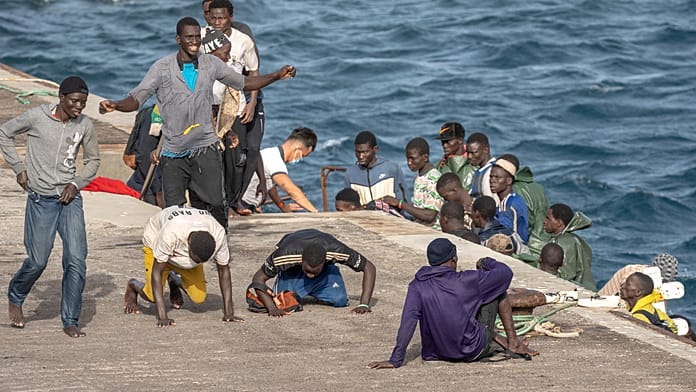
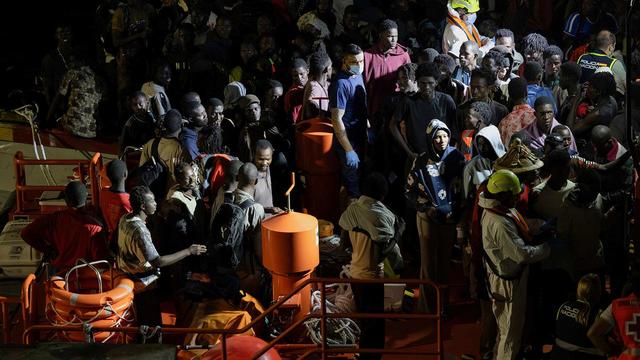
The surge includes 854 people brought ashore on Friday at El Hierro, the archipelago's westernmost island, after Spain's Maritime Rescue Service intercepted seven small open fishing vessels in waters off its coast. The boats were escorted to the harbour of La Restinga, where those on board received medical attention.
Around 700 of those rescued on Friday are being transferred to Tenerife to relieve pressure on El Hierro's facilities. Three hundred fifty had already departed on the scheduled morning ferry, with another 350 planned for the afternoon crossing. The first boat, carrying 134 people, reached the quay at around 1:00 am, while the largest vessel, with 235 migrants, docked at 8:30 am.
Regional leader Fernando Clavijo warned on Friday that the situation was "absolutely unsustainable" and that daily arrival rates had exceeded those recorded in 2024, when the islands saw record numbers. He said favourable weather conditions and calm seas had contributed to the increased flow, which is straining health and transport services on the island of 11,400 inhabitants.
The pressure extends beyond El Hierro. Migrant arrivals have also been reported on Gran Canaria and Lanzarote, with Spanish media reporting more than 4,000 arrivals across the archipelago in the first six days of November. On Thursday night, Spain's Maritime Rescue Service brought ashore an unconfirmed number of people rescued at sea in Arguineguín on Gran Canaria's southern coast.
Spain's Interior Minister Fernando Grande-Marlaska met on Friday with Senegal's president and the country's interior and defence ministers to urge stronger migration management, as arrivals from the West African nation have surged. Several of those rescued on Friday required hospital treatment, and nine people remain at Nuestra Señora de los Reyes Hospital after arriving on different vessels in recent days.
Despite the current surge, the total number of migrants arriving at the Canary Islands in the first ten months of 2026 is almost 61 percent lower than in the same period of 2024.