
Justice Minister Darmanin faces backlash as Lyhanna murder exposes judicial failures
Story Timeline
9 days · 10 summary articles
The French justice system is facing unprecedented scrutiny after the murder of 11-year-old Lyhanna, with critics questioning whether systemic failures allowed a known suspect to evade proper oversight. On Friday, 12 June 2026, Jérôme Barella—already under investigation for the girl’s killing—was formally charged, yet the case has exposed glaring gaps in judicial procedures and inter-agency coordination. The political fallout has overwhelmed President Emmanuel Macron’s administration, as ministers scramble to contain the crisis while Justice Minister Gérald Darmanin attempts to distance himself from any responsibility for the suspect’s prior handling.
The tragedy unfolded against a backdrop of mounting public anger over the state’s inability to protect vulnerable children. Lyhanna’s murder, allegedly by Barella, has become a symbol of institutional neglect, with reports indicating that Barella had a history of violent behavior and prior run-ins with law enforcement. Yet, despite these red flags, he remained at large until the fatal incident. The executive’s crisis response has been widely panned, with critics accusing Macron and Prime Minister Sébastien Lecornu of prioritizing damage control over accountability. Darmanin, in particular, has faced intense pressure to explain why Barella was not subjected to stricter monitoring, including electronic tagging or mandatory psychiatric evaluation, despite his criminal record.
European legal experts are now drawing parallels with similar cases across the continent, where underfunded courts and overburdened probation services have led to preventable tragedies. A report published today by *L’Express* highlights how countries like Germany and the Netherlands have implemented stricter protocols for high-risk offenders, including real-time data sharing between police, courts, and social services. France, meanwhile, has lagged behind, with critics arguing that Barella’s case exposes a systemic failure to apply existing laws rigorously. “The system is not broken—it’s just not being used,” said a senior magistrate quoted in the article .
The political fallout has been swift. Darmanin, already a polarizing figure, is now under fire from both opposition lawmakers and his own allies for what critics describe as a “spectacle of self-preservation.” Meanwhile, Macron’s approval ratings have plummeted, with polls showing a 12-point drop in public trust in the government’s ability to ensure safety. The crisis has also reignited debates over judicial reform, with calls for mandatory risk assessments for repeat offenders and stricter penalties for violations of probation terms.
As the investigation deepens, the question remains: will Lyhanna’s death serve as a catalyst for change, or will it be another tragic footnote in a system that has repeatedly failed to protect its most vulnerable citizens? For now, the only certainty is that the pressure on Macron’s government will only intensify.
- 3
- 1
- 1
- 1
- 1
- 1
- 1
1 further source not geolocated
Articles
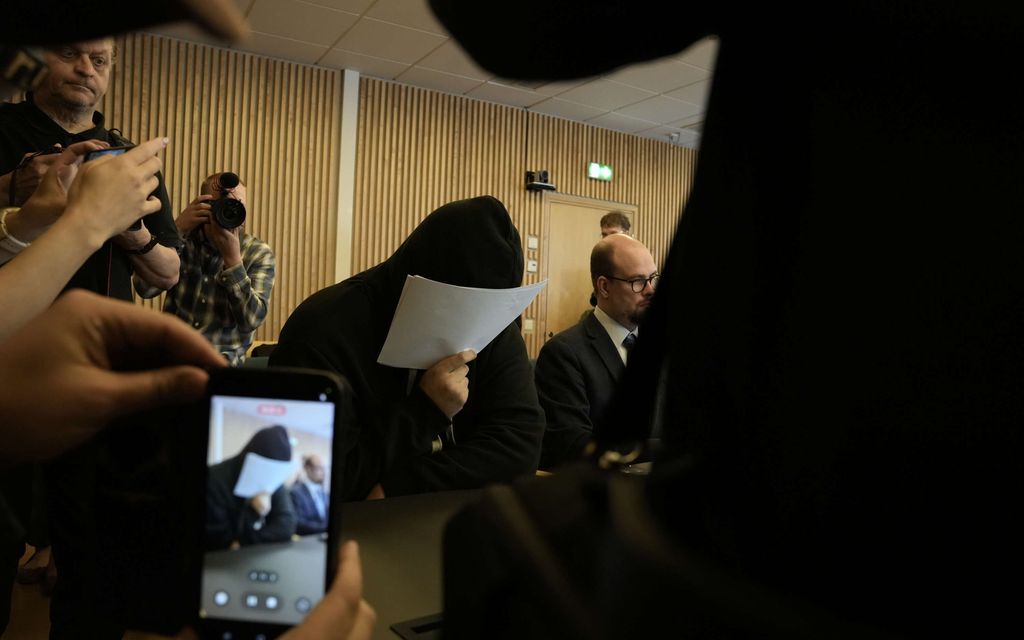
Kommentti: Järkyttävän perhesurman oikeuskäsittely oli arvoton näytelmä – Syytetty pompotteli oikeutta mielensä mukaan
iltalehti · about 2 hours ago

Derrière laffaire Lyhanna, les moyens de la justice en question : ces leçons venues dEurope
lexpress · about 2 hours ago
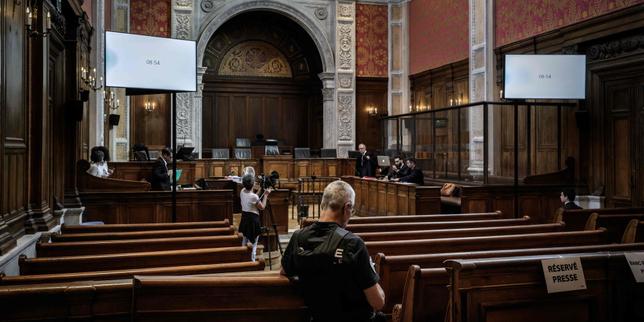
A Lyon, au procès dun « alter ego » de Dominique Pelicot, la mécanique perverse de la domination masculine Un homme, qui était en contact avec Dominique Pelicot, a été condamné à quinze ans de réclusion, vendredi 12 juin, pour avoir drogué et violé sa femme. Cette affaire illustre les ressorts à lœuvre dans le recours à la soumission chimique.
le monde · about 2 hours ago
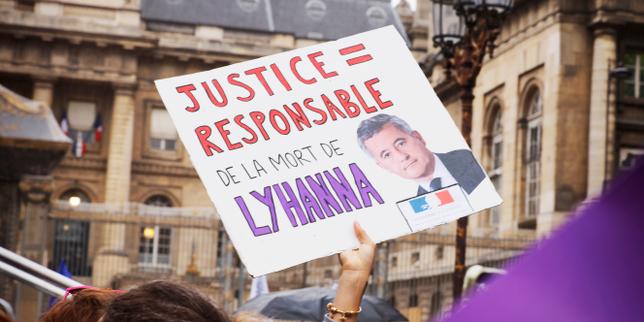
Mort de Lyhanna : la communication de crise de lexécutif débordée par lopération de sauvetage personnel de Gérald Darmanin Emmanuel Macron et le gouvernement de Sébastien Lecornu peinent à surmonter les répercussions politiques du meurtre de la fillette de 11 ans, alors que le ministre de la justice tente, de son côté, de démontrer quil na aucune responsabilité dans les éventuelles négligences dans le traitement du suspect, Jérôme Barella.
le monde · about 2 hours ago

"Das Gesetz nach Lidia Poët": Mord, Notwehr – oder doch Gesellschaftskritik? In der finalen, dritten Staffel der Netflix-Serie geht es nur vordergründig um einen Kriminalfall – tatsächlich wird der italienischen Gesellschaft von anno 1887 ein Spiegel vorgehalten
der standard · about 2 hours ago
![[lalibre] Reportage dans le fief de Patrick Bruel : "Il fallait toujours se plier en quatre pour lui" #Europe](https://files.mastodon.social/cache/preview_cards/images/196/452/180/original/37bd66c4201b81a9.jpg)
[lalibre] Reportage dans le fief de Patrick Bruel : "Il fallait toujours se plier en quatre pour lui" #Europe
mastodon bot · about 2 hours ago

Reportage dans le fief de Patrick Bruel : "Il fallait toujours se plier en quatre pour lui" Alors que lartiste est mis en examen notamment pour «viol» et «tentative de viol», les Islois restent très liés à la personnalité et ses différents business, malgré quelques voix dissidentes. ...
la libre · about 2 hours ago
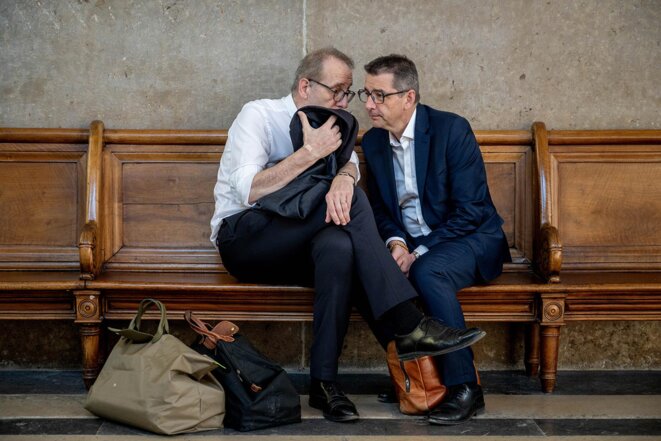
Sextape de Saint-Étienne: pour éviter un retour en prison à Gaël Perdriau, ses avocats accablent son bras droit Le parquet général a requis cinq ans de prison, dont trois ferme, contre lancien maire au procès en appel de laffaire du chantage à la sextape. En réplique, sa défense a tenté de tout mettre sur le dos de son ex-directeur de cabinet Pierre Gauttieri.
mediapart · about 2 hours ago

Theyre rattled: Is this the beginning of the end for the Kinahans? Consigliere Sean McGovern has been jailed for 24 years, Daniel Kinahan awaits extradition and his father and brother are in precarious positions
irish times · about 2 hours ago

Et kor av tragiske livsskjebner Du vil enten nikke anerkjennende til den pedagogiske tonen i «Nærmeste nabo» eller gremmes av samtidens moraliseringer.
aftenposten · about 2 hours ago

Der Weißmann-Skandal (2/3): Alles Intrige? In Folge zwei beleuchten wir den Kampf um die Deutungshoheit in der Affäre Weißmann und schauen uns ORF-Manager Pius Strobl genauer an, den Weißmann als Strippenzieher einer Intrige vermutet
der standard · about 2 hours ago
Πατέρας δικάστηκε και αθωώθηκε γιατί… αποκοιμήθηκε δίπλα στην 9χρονη κόρη του, τον κατήγγειλε η πρώην σύζυγός του
protothema · about 2 hours ago