
Trump declares national emergency to block foreign power-grid equipment amid China cybersecurity fears
Story Timeline
5 days · 7 summary articles
President Donald Trump on Wednesday declared a national emergency to secure the U.S. bulk-power system, banning certain foreign-made equipment from the grid to reduce cyberattack and sabotage risks. The executive order targets hardware linked to countries deemed threats, with multiple reports noting China as the primary focus .
The move came as U.S.-Canada trade tensions escalated sharply. Trump labeled Canada “one of the worst countries” to negotiate with, accusing Ottawa of exploiting the U.S. for decades and imposing “unbelievable” tariffs . On Monday, he threatened 50% tariffs on Canadian cars, trucks, auto parts and steel starting Jan. 1, 2027, after talks collapsed . Canadian Prime Minister Mark Carney responded by pledging dollar-for-dollar retaliatory tariffs beginning Sept. 8 on U.S. goods including steel, dairy, appliances and agricultural equipment .
Former Vice President Mike Pence urged Trump to return to negotiations, warning that tariffs “put additional pressure on American consumers and businesses.” Pence, who participated in USMCA negotiations, acknowledged Trump’s aggressive approach but stressed the need to avoid a prolonged trade war . Saskatchewan announced a 50% tariff on U.S. alcohol in response to Trump’s measures .
Trump also asserted that “WE DON’T NEED CANADA, THEY NEED US,” despite the U.S. importing roughly 4 million barrels of Canadian crude daily—nearly 20% of its petroleum consumption—and relying on Canadian aluminum, which he admitted the U.S. “desperately needs” . The two nations exchanged $872 billion in goods and services last year, with energy accounting for much of the U.S. trade deficit with Canada .
Canada’s retaliatory measures include a boycott push, with officials urging citizens to choose Canadian products to pressure the U.S. and protect domestic jobs . Carney is scheduled to address the European Parliament as Ottawa seeks broader alliances amid the dispute .
The White House has framed the trade deficit as evidence of an unfair relationship, though U.S. Energy Information Administration data shows Canadian heavy crude typically trades at a discount, and without energy, the U.S. would have run a trade surplus .
Follow us for live European news
- 3
- 3
- 2
- 1
- 1
- 1
- 1
- 1
- 1
- 1
- 1
5 further sources not geolocated
Articles
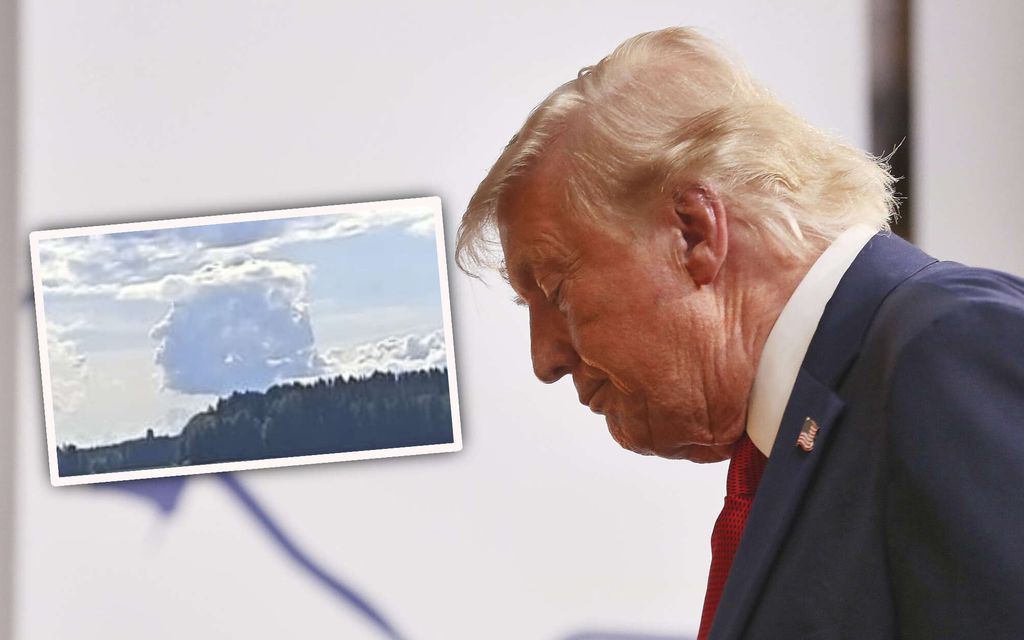
Trump ilmestyi Iisalmen taivaalle
iltalehti · about 3 hours ago

Trump erklärt wegen „Bedrohung des Stromnetzes nationalen Notstand Donald Trump ruft wegen möglicher Sicherheitsrisiken einen nationalen Notstand aus und schränkt ausländische Technik im US-Stromnetz ein. Besonders chinesische Anlagen stehen im Fokus.
welt.de · about 3 hours ago

Canada renews push to boycott US products. "When you choose a Canadian product, youre not only putting pressure on the United States, youre protecting jobs" in Canada u.afp.com/SVfm
bluesky_AFP English · about 3 hours ago
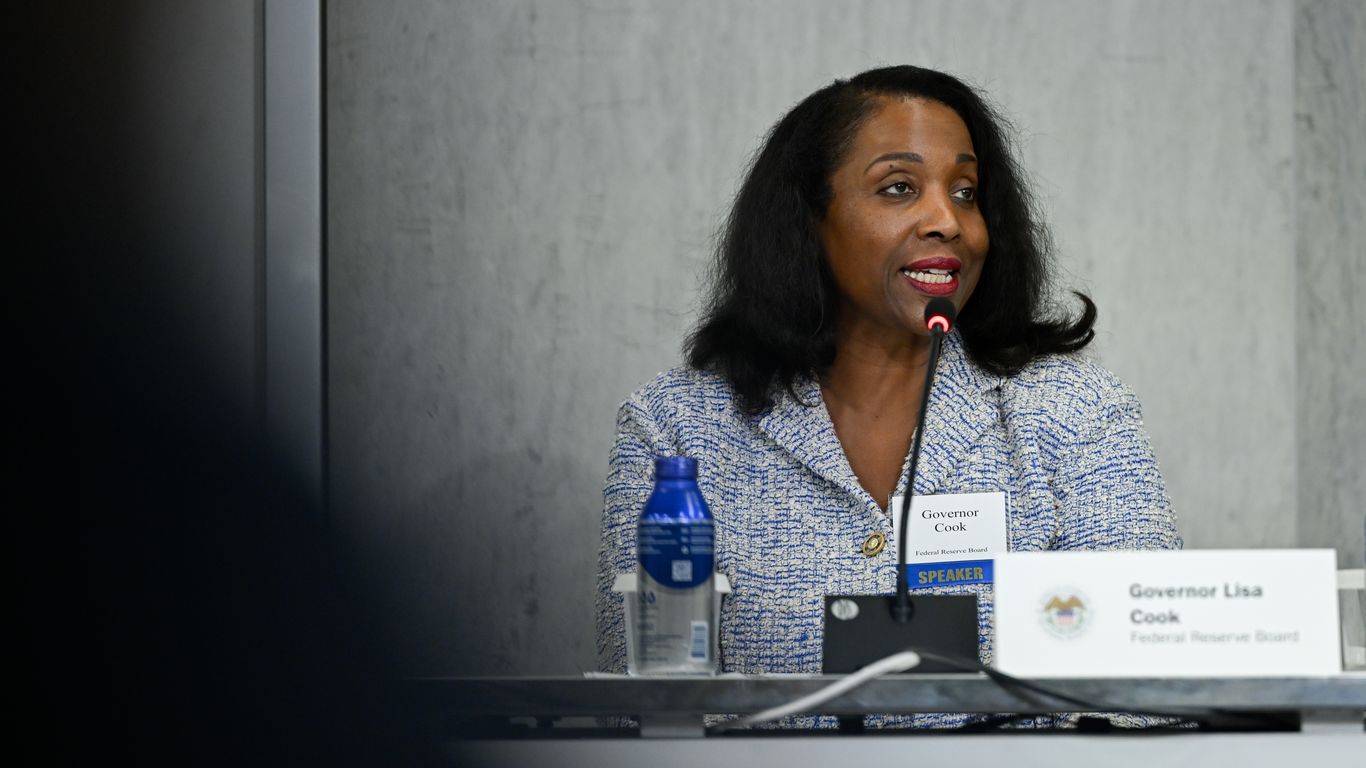
Fed governor Lisa Cook: "No legitimate basis for removal" on Trump mortgage claims Lawyers for Federal Reserve governor Lisa Cook have submitted their case for why she cannot legally be fired, as President Trump seeks new avenues for dismissing the Biden appointee for cause.The big picture: After the Supreme Court ruled against Trumps attempt to fire Cook last year over allegations that she claimed two different properties as her primary residence in mortgage documents, the White House has sought to introduce a more formal process in pursuit of the same goal.It is a closely watched case that may determine the political independence of Americas central bank, by setting how high the bar is for a president to fire Fed governors.Driving the news: Three weeks ago, the White House asked for her response to the substance of those allegations, which her lawyers submitted — and distributed to reporters — Wednesday evening.Cooks lawyers argue that "there is no legitimate basis for" removing Cook from the Fed board, where her term extends to 2034, and that the purported errors were "an entirely inadvertent oversight."They say that she was fully transparent with her lender and note media reports that Trump himself and five members of his cabinet have also had dubious claims of primary residency on a property in the past.Catch up quick: Trump announced that he was firing Cook about a year ago for cause, alleging mortgage fraud after housing finance regulator Bill Pulte showed she had mortgage applications for two separate properties as a primary residence in a short time frame.The Federal Reserve Act gives governors of the central bank 14-year terms to insulate them from politics, but says the president can remove them "for cause."The Supreme Court ruled that Cook could stay in her job while the attempted firing is adjudicated, but did not lay out precise criteria of what clears the bar of firing a Fed governor for cause or how a president must establish it.In an apparent effort to establish legal cause, White House deputy chief of staff Dan Scavino wrote to Cook earlier this month citing the apparent mortgage application errors and asking for her defense.What theyre saying: "The process for seeking financing for the Atlanta condominium… began with Governor Cook using the lenders website to seek information about a vacation home mortgage — a clear indication of the loan type she was looking to acquire," wrote Abbe David Lowell, Cooks attorney."The lender, which previously worked with Governor Cook to refinance her Massachusetts property earlier that year, knew that she had lived in Michigan for more than 15 years and worked full-time as a tenured professor at Michigan State University. Governor Cook gave no indication that she was leaving to take any new job in Atlanta," Lowell wrote.Other documents how that Cook "regularly indicated her primary residence or permanent residence to be Michigan" and she "confirmed that her Atlanta property was a 2nd Home.""Governor Cooks actions demonstrate that there was no intentional misconduct and zero intent to defraud or mislead."Of note: Lowell cites media reports of Trump himself and several cabinet members making dubious claims of a propertys primary residence status, including Treasury Secretary Scott Bessent.The other side: The White House did not immediately respond to a request for comment.Whats next: The question now is whether Trump again attempts to fire Cook, with more of a review process — and if so, how the courts respond.
axios · about 3 hours ago
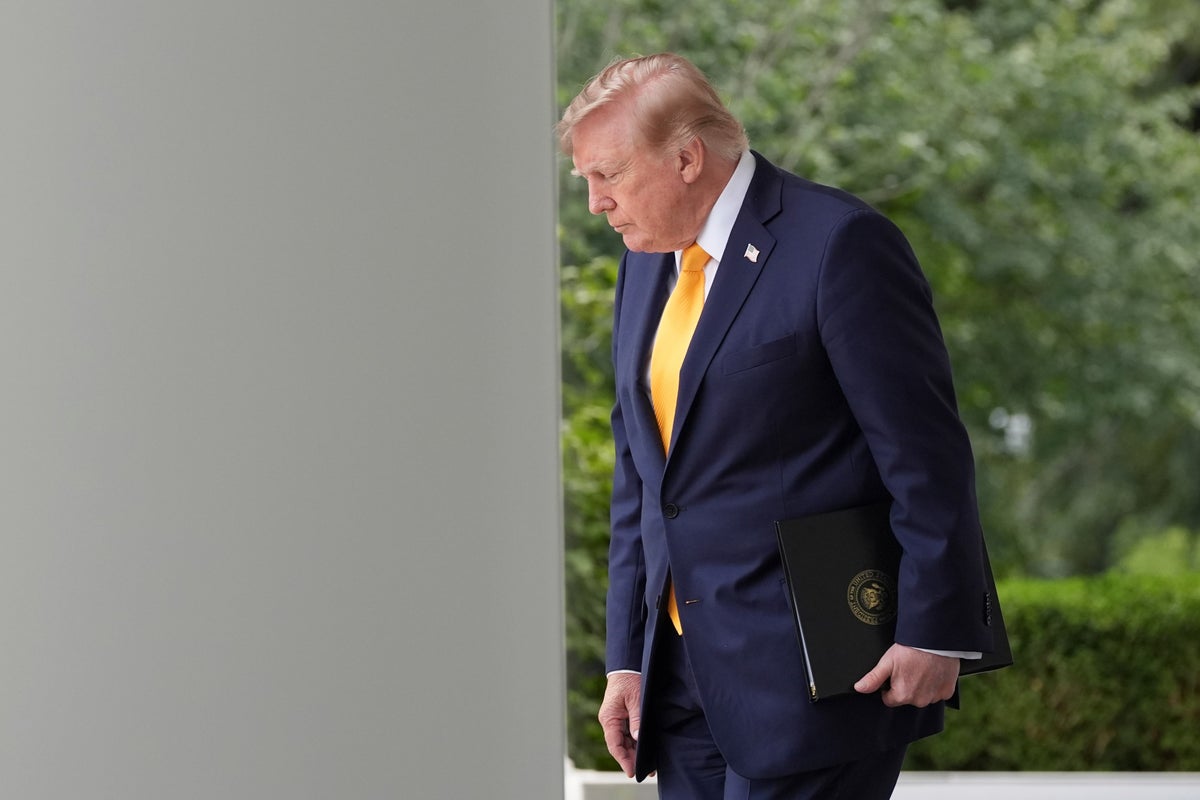
Trumps UFO advisor says aliens wouldnt care who the president is The Trump administration has released five batches of UFO files so far
independent · about 3 hours ago

Trump says U.S. doesnt need Canada. The economy says otherwise U.S. President Donald Trump says his country does not need Canada. But every day, roughly 4 million barrels of Canadian crude oil flow south, helping fuel American cars,…
japantoday · about 4 hours ago
Donald Trump vyhlásil národný stav núdze a zakázal používanie vybraných zahraničných zariadení v elektrickej sústave USA Prezident Donald Trump vyhlásil národný núdzový stav s cieľom vytlačiť rizikové zahraničné technológie z americkej elektrickej siete. Krok nadväzuje na podobné opatrenia Európskej únie a potvrdzuje odhodlanie Washingtonu čeliť kybernetickým hrozbám, predovšetkým zo strany Číny.
aktuality.sk · about 4 hours ago

Lawyer for Feds Cook, targeted by Trump, says there is no grounds for dismissal reut.rs/4gh4gso
bluesky_Reuters · about 4 hours ago
Era capitulării în fața lui Donald Trump ar putea începe să se estompeze: rezistența câștigă teren în fața tendinței de supunere Este un film de vară pe care l-am mai văzut: președintele american Donald Trump formulează pretenții. Când partea adversă nu îi oferă ceea ce dorește, el intensifică tensiunile cu amenințări grandioase de sancțiuni devastatoare. Partea adversă cedează. Dar Mark Carney, prim-ministrul Canadei, se pare că nu a citit scenariul. Refuzul său de a ceda în fața ultimatumului comercial al liderului de la Casa Albă, chiar cu prețul unor tarife de retorsiune, a schimbat complet perspectiva celui de-al doilea mandat al președintelui SUA. În loc să cedeze, Carney testează dacă atitudinea de sfidare este o strategie viabilă împotriva lui Trump, notează The New York Times.
digi24 · about 4 hours ago
Kanada und die USA: Und dann stellt sich Mark Carney gegen Donald Trump Der Handelsstreit zwischen den USA und Kanada eskaliert. Ein Thema im US-Podcast. Außerdem: Warum ganz Washington über Natalie Harp redet. Und: Abschied von Dolly Parton
die zeit · about 4 hours ago
Donald Trumps Bronx loyalists stand by him as approval ratings sink National polls suggest US presidents support among Black and Latino voters is fading but allies in the New York borough are holding firm
financial times · about 4 hours ago
Harvard Business School explored European outpost after Trumps visa threats University considered teaching MBA students outside US after White House sought to bar international students
financial times · about 4 hours ago
Can Canada teach Europe how to stand up to Trump? Canada is taking a much harder line against Donald Trump — and Brussels is watching closely. As the U.S.-Canada trade war escalates, Zoya Sheftalovich and Kathryn Carlson look at Mark Carneys gamble, his call for the worlds middle powers to band together, and whether Europe is ready to follow his lead or would rather keep […]
politico.eu · about 4 hours ago
Lisa Cook says Trump has no grounds to fire her over inadvertent mortgage paperwork Lawyers for the Federal Reserve governor deny any intentional wrongdoing in response to presidents threats to dismiss her
financial times · about 5 hours ago

Trump labels Canada worst to deal with as trade war escalates US President Donald Trump on Wednesday branded Canada one of the "worst countries" to negotiate with, accusing Ottawa of exploiting the United States for decades and charging "unbelievable" tariffs as bilateral trade tensions reached new heights with tit-for-tat levies on billions of dollars in goods.
yenisafak · about 5 hours ago

⚡ NEWSFederal Reserve Governor Lisa Cook Denounces Trump Administrations Mortgage Fraud ClaimsFederal Reserve Governor Lisa Cook has publicly rejected accusations of mortgage fraud made by the Trump administration. The administration continues to pursue these claims despite a recent Supreme Court ruling in Cooks...📰 #Diplomacy #Geopolitics #GeoWire
mastodon bot · about 5 hours ago

U.S. and Canada Are Bracing for Prolonged Trade Dispute Few are seeing an offramp as Trump faces political pressures in advance of the midterm elections.
wsj · about 6 hours ago
Federal Reserve Governor Lisa Cook denounces Trumps mortgage fraud claims The Trump administration has doubled down on its accusations against Cook, despite a Supreme Court ruling in her favour.
aljazeera · about 6 hours ago
USA: Trump will mehr Rindfleisch importieren lassen Wegen anhaltender Dürre und Waldbränden ist der Rinderbestand in den USA niedrig. Gegen die hohen Fleischpreise hat US-Präsident Donald Trump nun Importregeln gelockert.
die zeit · about 6 hours ago

„Froh über Freundschaft – Dröge besucht auf USA-Reise Baerbock und „junge progressive Abgeordnete Katharina Dröge sucht während ihrer USA-Rundreise bei Annalena Baerbock in New York und Linken im Rust Belt Antworten auf Donald Trumps politisches Comeback. Auf Instagram zeichnet die Grünen-Fraktionschefin das Bild einer bedrohten US-Demokratie.
welt.de · about 6 hours ago
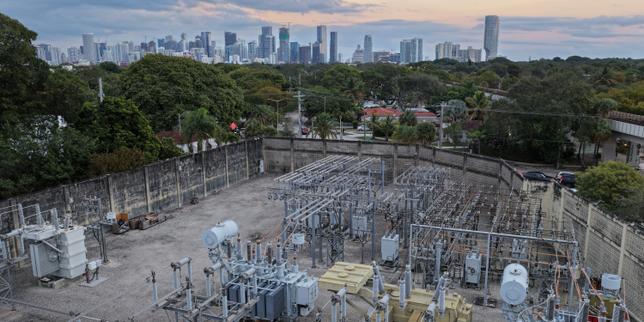
Donald Trump décrète létat durgence sur le réseau électrique, une mesure qui vise la Chine sans la nommer Cette décision, annoncée mercredi 26 août, interdit lachat et linstallation déquipements de réseau provenant de pays sous embargo ou sanctions américaines sur le commerce des armes. Parmi les Etats figurant sur cette liste, seule la Chine exporte ce genre de matériel vers les Etats-Unis.
le monde · about 6 hours ago
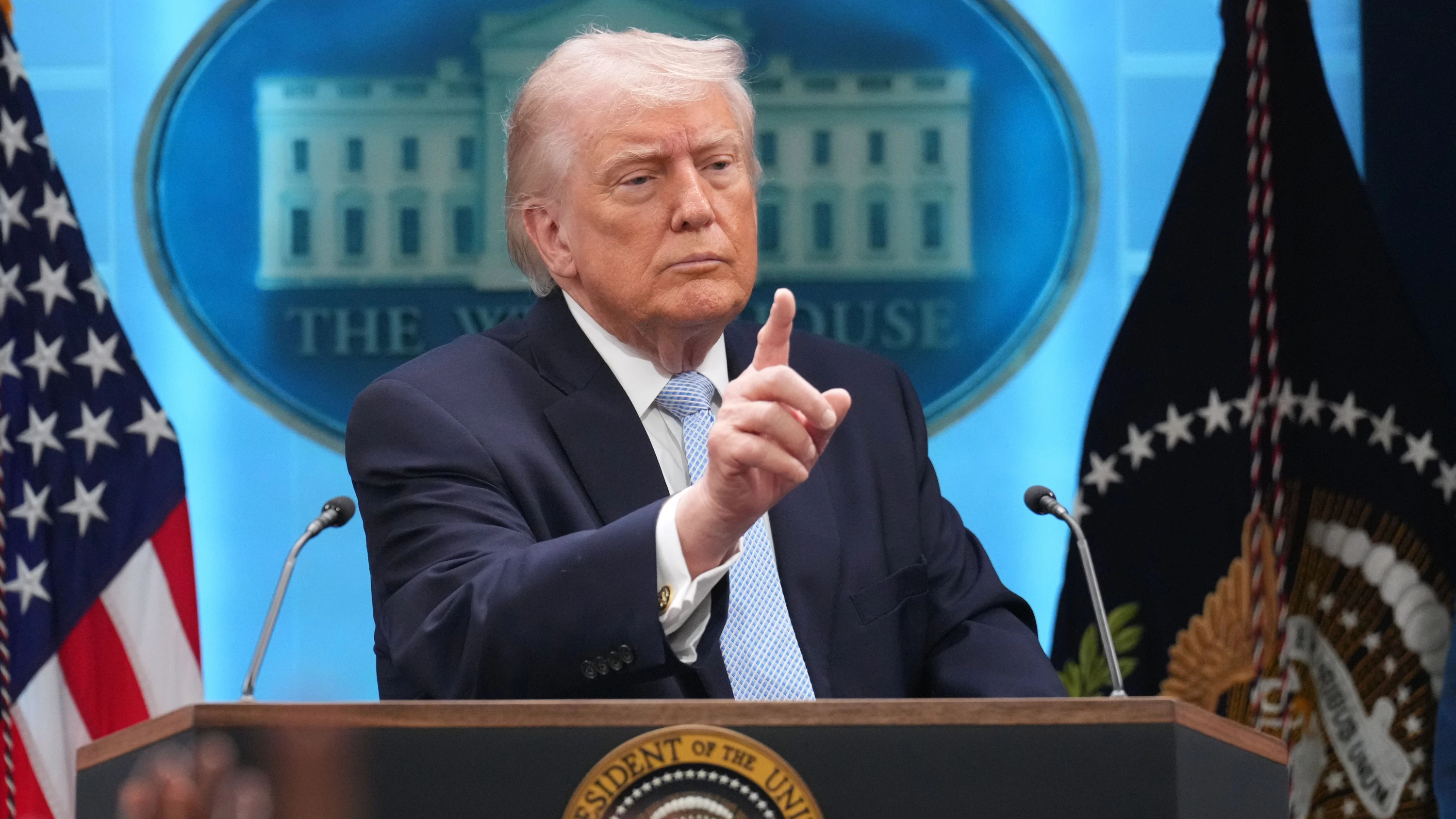
USA unter Trump: Trump verbietet bestimmte ausländische Technik im US-Stromnetz Liveticker zur US-Politik unter Donald Trump / Trump dampft Militärübung mit Südkorea ein / Jetzt lesen im Liveticker der FAZ
faz · about 6 hours ago
USA: Trump verbietet bestimmte ausländische Technik im US-Stromnetz Die US-Regierung begründet das Verbot ausländischer Ausrüstung mit Risiken für die Stromversorgung. Das US-Militär will das Netz durch nukleare Mikroreaktoren absichern.
die zeit · about 6 hours ago

Saskatchewan sets 50 tariff on US alcohol after new Trump tariffs on Canadian goods reut.rs/4y35Fsv
bluesky_Reuters · about 7 hours ago

Unproven claim links Trumps imported beef to slaughtered wild horses The rumor appeared to mix elements of a New York Times report into the sale of wild horses, a Trump announcement and a string of food recalls.
snopes · about 7 hours ago
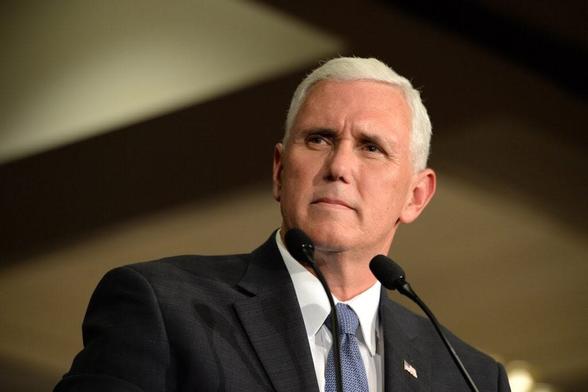
🟠 UPDATECanada Seeks New Trade Partners Amid US PressureFormer Vice President Mike Pence warned President Trump that escalating tariffs could harm American consumers and businesses, urging a return to negotiations.📰 #Sanctions #Geopolitics #GeoWire
mastodon bot · about 8 hours ago
Canada sto opp mot Trump. Nå kan konflikten ha blitt personlig. Trump vil straffe Canada. Men hvem må egentlig betale?
aftenposten · about 8 hours ago

Trump: Time to teach Canada you cant do this anymore
news.yahoo.com · about 8 hours ago
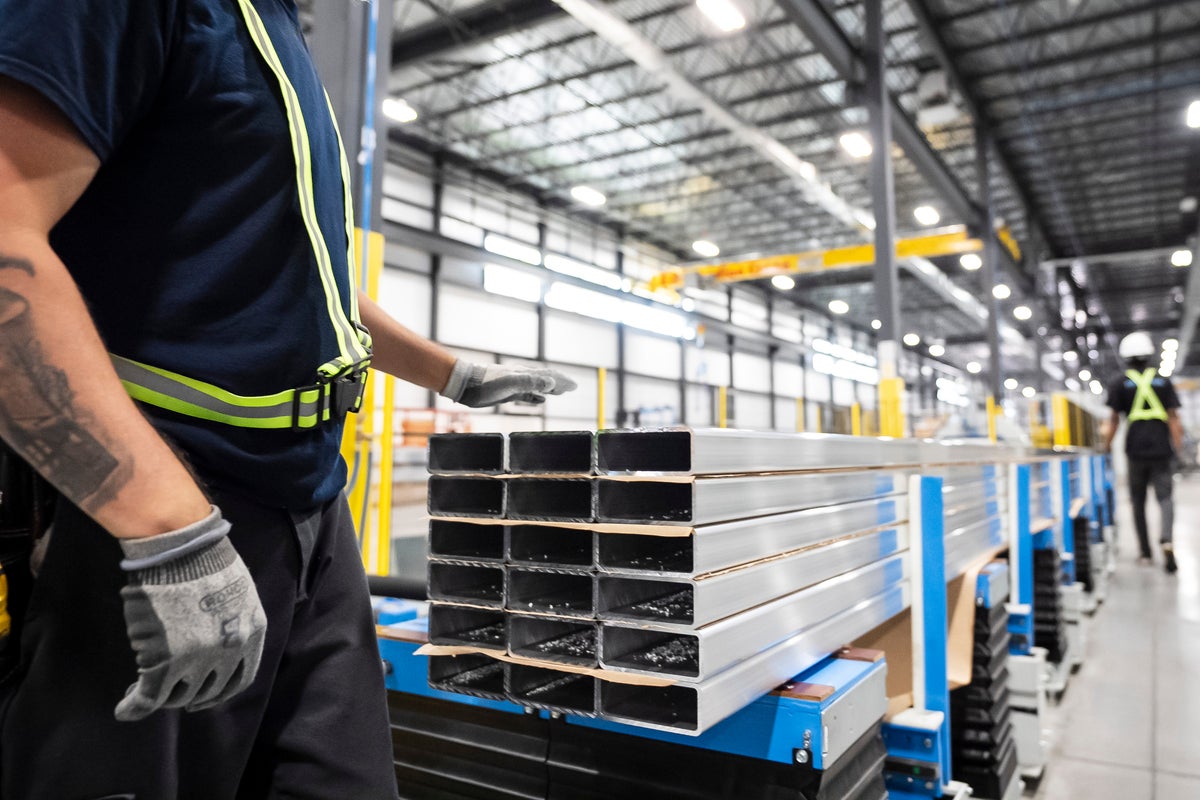
Trump says the US doesnt need Canada. The economy says otherwise President Donald Trump says the United States doesnt need Canada
independent · about 8 hours ago

Trump says he signed proclamation to address unreasonably high beef prices reut.rs/4cYdTtJ
bluesky_Reuters · about 8 hours ago