
European Investment Bank approves 7.9 billion to boost green transition and global partnerships
Story Timeline
4 months · 26 summary articles
The European Investment Bank on Thursday approved €7.9 billion in fresh financing to accelerate innovation, sustainability and global partnerships, marking the largest single-year commitment in its history. The funds will target green transition projects, digital infrastructure and strategic alliances with partners in Africa, Asia and Latin America, the EIB said in a statement .
Vice-President Robert de Groot, on his first official visit to Istanbul, separately announced €200 million in new financing to support Türkiyes green transition and signalled the bank’s interest in modernising the country’s railway network . The twin announcements underscore the EIB’s pivot toward large-scale climate and connectivity investments across Europe and beyond.
Meanwhile, corporate lobbying expenditure in Brussels has surged to at least €382 million per year, according to two NGOs whose latest report shows a 7% increase from 2025 . Big Tech, finance, energy and chemicals groups are the biggest spenders, with Apple alone quadrupling its Brussels lobbying budget to €73 million . Critics warn the influx risks skewing EU policy in favour of vested interests.
In Romania, a Croatian private-equity fund that drew capital from the country’s National Recovery and Resilience Plan has acquired Seatbelt Consulting, the market leader in occupational health and safety services . Provectus Capital Partners, which benefited from PNRR funds, now controls the Bucharest-based firm, raising questions about the use of recovery money in cross-border takeovers.
Elsewhere, Abu Dhabi’s Masdar is deepening its Spanish renewables footprint by paying €150 million to Repsol for wind and solar assets, following earlier purchases from Endesa and Brookfield . The deal adds to a wave of Gulf capital flowing into Europe’s energy transition.
European tech funding rebounded in May to €10.5 billion, driven by mega-rounds despite a drop in deal volume . Samsung and LVMH led a €73 million Series A in Theker, an AI-powered industrial robotics start-up, alongside Inditex and CRV .
A Canadian-backed developer plans to build a €500 million defence and logistics park in central Lithuania, signalling new industrial corridors in the Baltics . The project underscores NATO’s push for resilient supply chains across Eastern Europe.
Against this backdrop, a group of wealthy EU countries has launched a rebellion against minimal cuts to the bloc’s €2 trillion seven-year budget, complicating negotiations over fiscal discipline . The dispute highlights tensions between frugal states and those seeking to maintain high levels of public investment.
Follow us for live European news
- 3
- 2
- 2
- 2
- 1
- 1
- 1
- 1
- 1
- 1
- 1
- 1
- 1
- 1
- 1
Articles

80 results, 2 funding: the most important equation of the war Speech by Kateryna Mykhalko, Managing Director of New Age Defence, at the official opening of the international defence conference New Age Defence in Berlin on June 8, 2026.
ukrpravda · 4 months ago
Importantă firmă românească de securitate în muncă, preluată majoritar de un investitor străin care primise bani și din PNRR-ul României Fondul de investiții croat Provectus Capital Partners, care a obținut capital și din Planul Național de Redresare și Reziliență (PNRR) al României, anunță, joi, într-un comunicat transmis comunității antreprenoriale StartupCafe, că preia majoritar firma românească Seatbelt Consulting, liderul pieței locale a serviciilor de securitate și sănătate în muncă (SSM). Citiți mai departe pe StartupCafe.ro.
hotnews.ro · 4 months ago
Povestea comunității din București care a convins zeci de mii de oameni să înoate pentru cauze bune O organizație comunitară din București a reușit să strângă în 13 ani nu mai puțin de 1,8 milioane de euro, pentru sute de proiecte umanitare, organizând concursuri de înot. Povestea Swimathon București poate fi citită în ediția de mâine, 12 iunie, a newsletterului „Partea Bună, la care vă puteți abona mai jos. Alina Kasprovschi este …
hotnews.ro · 4 months ago
Rüstung: Hensoldt erhält Auftrag aus den Niederlanden für Kampfsystem Der Rüstungskonzern wird Hauptlieferant der Niederlande bei der Modernisierung ihrer Ausrüstung. In den nächsten Wochen sollen weitere Rüstungsfirmen als Subunternehmer benannt werden.
handelsblatt · 4 months ago
Turkeys state trustee fund nears $20 billion in assets as company takeovers expand The total assets of private companies placed under the management of Turkeys state-run Savings Deposit Insurance Fund (TMSF) have surged more than fourfold in one year, reflecting a sharp expansion in the number and scale of businesses brought under court-appointed trusteeship during criminal investigations, the Bold Medya news website reported. The TMSF managed companies with […] The post Turkeys state trustee fund nears $20 billion in assets as company takeovers expand appeared first on Stockholm Center for Freedom.
stockholm center for freedom · 4 months ago
EIB backs Türkiyes green transition, eyes railway expansion The European Investment Bank has signed €200 million in new financing agreements to accelerate Türkiyes green transition and is actively exploring opportunities to support the expansion and modernization of the countrys railway infrastructure, Vice President Robert de Groot said during his first official visit to Istanbul.
yenisafak · 4 months ago
Lobbyismus in der EU: Konzerne und Verbände verdoppeln Lobbygelder Akteure aus Big Tech, Finanzen, Energie und Chemie geben immer mehr Geld aus, um EU-Politik zu beeinflussen – vielfach erfolgreich, warnt Lobbycontrol. mehr...
taz.de · 4 months ago
Rezultate LOTO - Joi, 11 iunie 2026. Numerele extrase și premiile puse în joc de Loteria Română Joi, 11 iunie 2026, au avut loc noi trageri Loto 6/49, Noroc, Joker, Noroc Plus, Loto 5/40 și Super Noroc. Peste 5,86 milioane de euro sunt în joc la 6/49, iar la Joker reportul depășește 594.000 de euro.
digi24 · 4 months ago
Čínské investice do Evropy rychle rostou, nejvíce jich směřovalo do Maďarska Čína v loňském roce výrazně posílila svou přítomnost v Evropě – a to hned na dvou frontách. Nejen že rekordně rostl vývoz aut, baterií či větrných technologií, ale čínské firmy zároveň stavějí továrny, kupují evropské podniky a uzavírají strategická partnerství.
denik n · 4 months ago

LAllemagne veut se réarmer, et cela ne plaît pas aux Français Dans un contexte géopolitique incertain, lAllemagne envisage daugmenter ses dépenses militaires dans les prochaines années, indique The Economist. Une ambition saluée par ses partenaires européens comme la Pologne ou lItalie, mais qui semble toujours déplaire aux Français.
courrier international · 4 months ago
Bei diesen sechs europäischen Aktien haben Insider nun teilweise Millionen investiert – auch in Österreich [premium] Aktienkäufe durch Führungskräfte sind oft ein gutes Signal, dass die Papiere steigen werden. Bei diesen sechs Aktien fanden dieser Tage solche Käufe in großem Umfang statt.
die presse · 4 months ago
LUnion européenne devient-elle le nirvana des lobbyistes? Les grandes entreprises dépensent plus de 380 millions deuros par an pour tenter dinfluencer les politiques publiques européennes. Un chiffre en hausse de 7 par rapport à 2025, selon une étude de deux ONG. Entretien avec Vicky Can, chercheuse à lObservatoire européen des entreprises et auteure de ce rapport.
rfi.fr · 4 months ago
European tech funding rebounds to €10.5B in May as mega-rounds power market recovery Despite a decline in deal activity, May saw a significant increase in capital invested across European tech compared to April.A total of 258 funding deals were announced in May, down from 290 in April...
tech.eu · 4 months ago
Design as a guide for European consumers choices: between the success of the creative sector and the shadow of counterfeiting While the sector accounts for 16 per cent of the EUs GDP, counterfeiting costs Italy over €2.3 billion a year: the EUIPOs call to protect creativity and consumer safety
eunews.it · 4 months ago
Leading cheesemaker E-Piim Tootmine asset sell-off starts The sale of the assets of bankrupt dairy company E-Piim Tootmine began on Wednesday, with the companys production units in Paide, Põltsamaa and Järva-Jaani set to go up for public auction in August.
news.err · 4 months ago
Estonia sees spa boom as tourism and spending habits shift A wave of spa and spa hotel projects is spreading across Estonias tourism and hospitality sectors as developers respond to cautious consumers and changing travel habits.
news.err · 4 months ago
Canadian-backed firm CanBalt plans 500m euro defence park in central Lithuania A Canadian-backed real estate and infrastructure company is planning to develop a defence industry and logistics park in central Lithuania, with total investment expected to reach around 500 million euros.
lrt · 4 months ago
Geld für Musik-Urheberrechte – Rekordjahr: Suisa nimmt 2025 so viel Geld ein wie noch nie Noch nie ist in der Schweiz so viel Geld für Urheberrechte in der Musik zusammengekommen wie letztes Jahr. Wieso?
srf.ch · 4 months ago

Les pompiers de Bruxelles demandent un "refinancement structurel" au gouvernement : les restrictions mettent "en péril la sécurité des Bruxellois" Le front commun syndical et la direction des pompiers de Bruxelles appellent jeudi le gouvernement bruxellois à procéder "sans délai à un refinancement structurel des pompiers de Bruxelles" afin de leur permettre dassurer "pleinement leurs missions essentielles". ...
la libre · 4 months ago
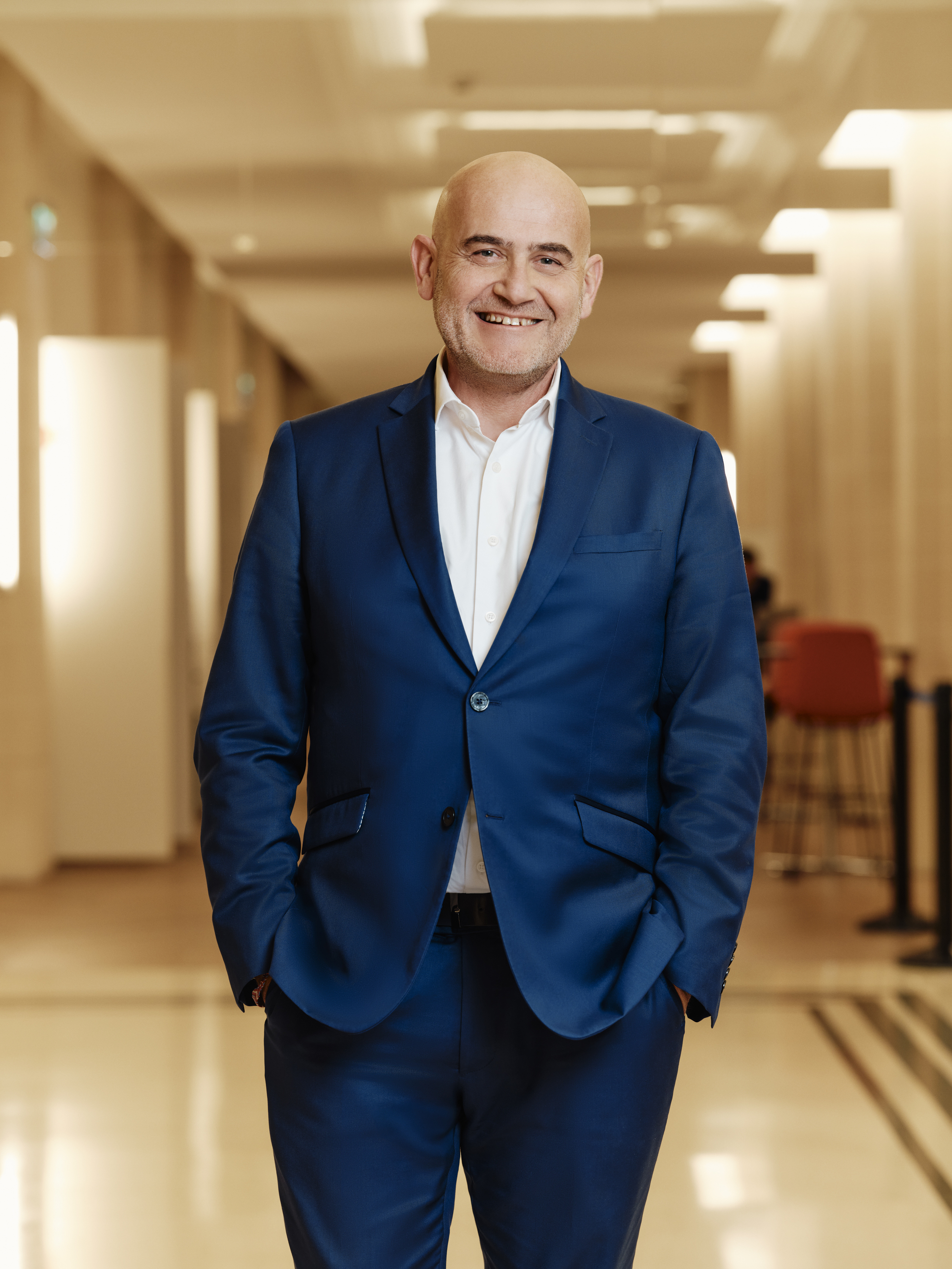
Christian Stein sustituye a Recasens como CEO de Renault en España Su nombramiento se hará efectivo el próximo 1 de julio, tras la salida de Recasens para recalar en Indra. Leer
expansion · 4 months ago
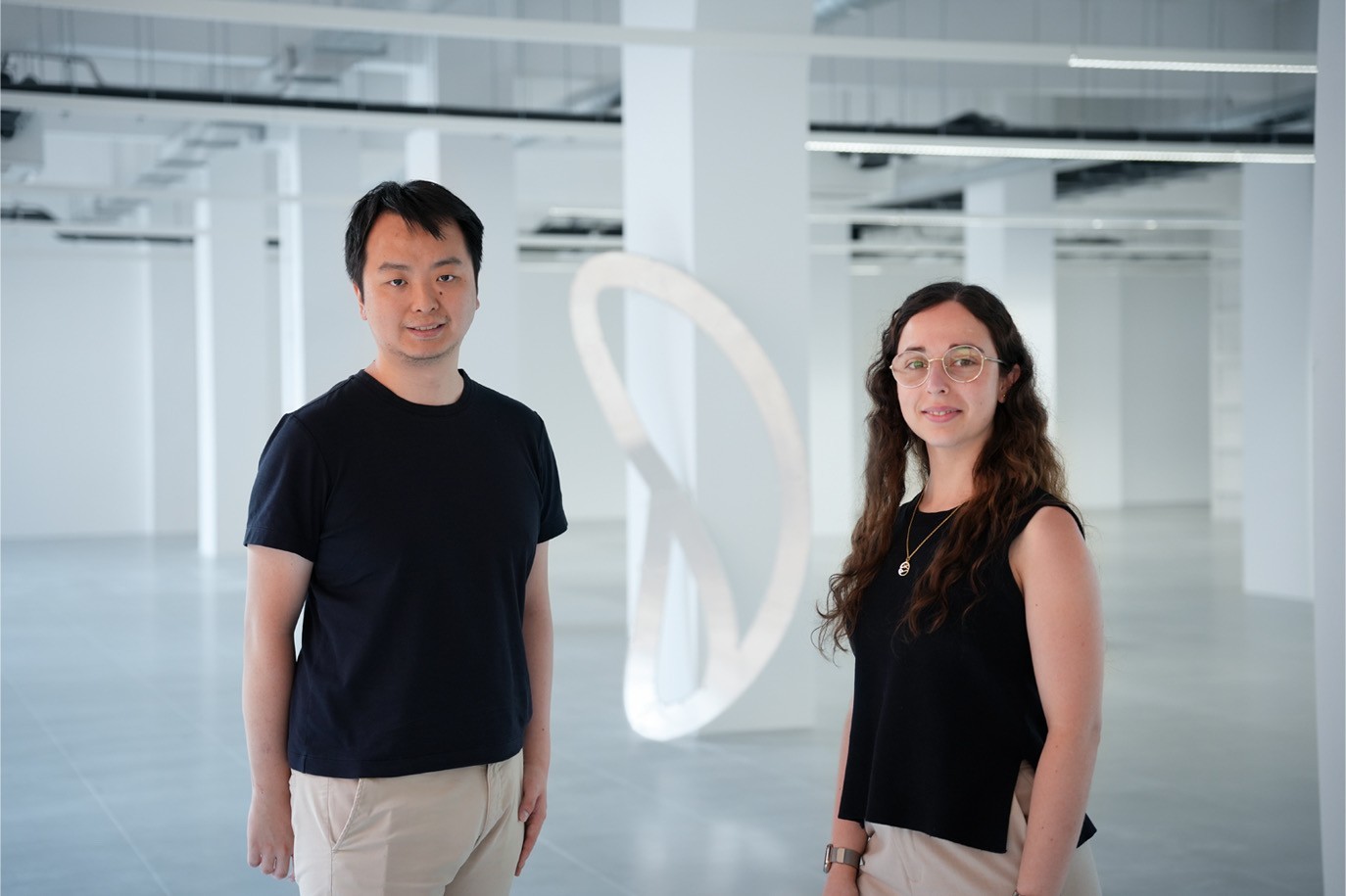
Samsung y LVMH invierten en los robots de Theker en una ronda de 73 millones de euros El gigante tecnológico y el grupo francés de lujo, además de otros inversores como Inditex y CRV, participan en la operación de financiación serie A de la compañía de robots potenciados con IA que automatizan y hacen más eficientes las tareas en el día a día de los entornos industriales. Leer
expansion · 4 months ago
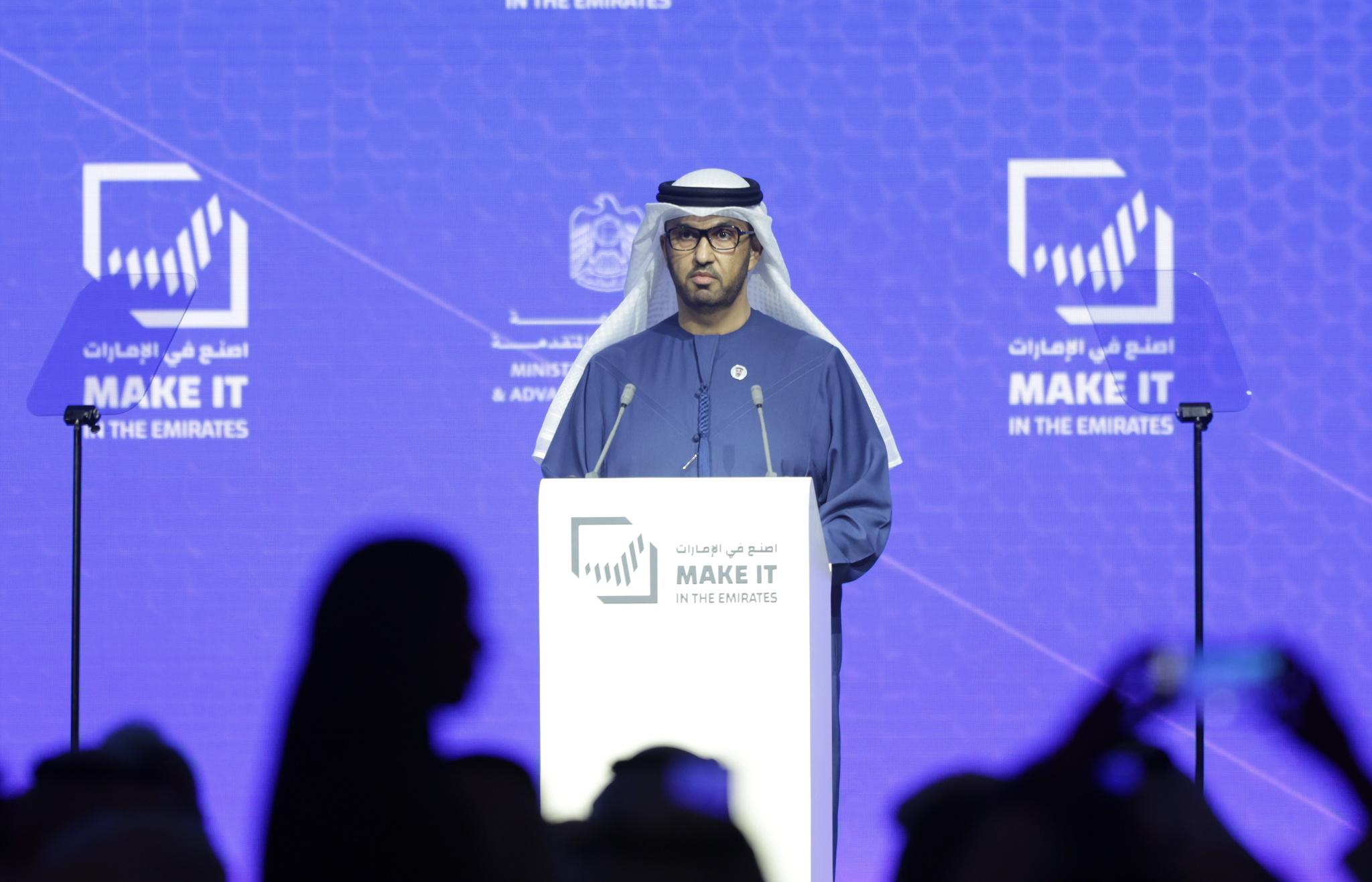
Abu Dabi da otro salto en renovables en España y paga 150 millones a Repsol por eólicas y fotovoltaicas El gigante árabe de renovables Masdar, que ya selló acuerdos para comprar Saeta Yield a Brookfield, y diversos activos a Endesa, sigue escalando en España. Leer
expansion · 4 months ago
Planes de pensiones: los particulares marcan récord en más 100.000 millones Pese a los vientos en contra, estos productos suman patrimonio en mayo gracias a los mercados. Leer
expansion · 4 months ago
Bmw, lidrogeno nel mirino. La prima X5 con celle a combustibile arriva nel 2028 Mentre gran parte dellindustria automobilistica europea concentra investimenti e sviluppo sulle auto elettriche, Bmw continua a percorrere anche una strada diversa. Non alternativa, almeno secondo la casa bavarese, ma complementare. La conferma è arrivata con lannuncio che nel 2028 debutterà il primo modello di serie alimentato a celle a combustibile: una versione della futura X5 […] Larticolo Bmw, lidrogeno nel mirino. La prima X5 con celle a combustibile arriva nel 2028 proviene da Il Fatto Quotidiano.
il fatto quotidiano · 4 months ago
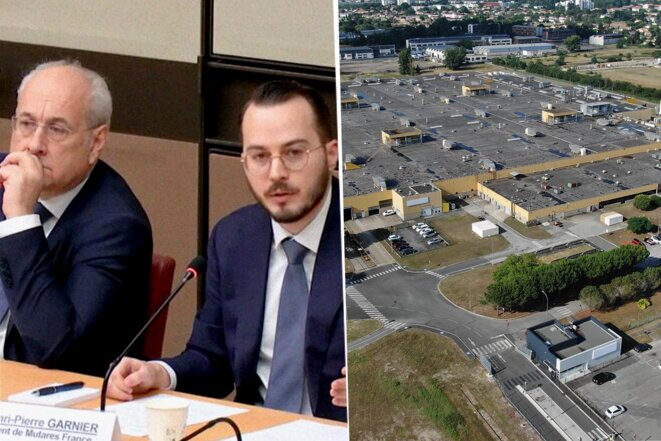
Le «tour de passe-passe» à 50 millions deuros de Mutares dans les comptes de son usine de Bordeaux Le sulfureux fonds allemand a retiré plusieurs dizaines de millions deuros des caisses de lex-usine Ford de Blanquefort, quil a reprise en 2023 et qui emploie encore plus de 200 personnes. Les dirigeants de Mutares jurent quil ne sagit que dun prélèvement temporaire.
mediapart · 4 months ago