Loading…
 Saturday, August 29Saturday, August 29
3 months · 10 summary articles
Lebanese Parliament Speaker Nabih Berri declared on Sunday that the U.S.-brokered Lebanon-Israel framework agreement “will not pass and will not be implemented in its current form,” as Hezbollah and allied factions intensified their rejection of the deal for failing to secure an Israeli withdrawal from occupied Lebanese territory. Mr Berri, a key Hezbollah ally, branded the accord an agreement of “dictates” and said it “does not guarantee Lebanon’s rights,” echoing earlier condemnations by Hezbollah Secretary-General Naim Qassem, who on Saturday dismissed the framework as “null and void.”
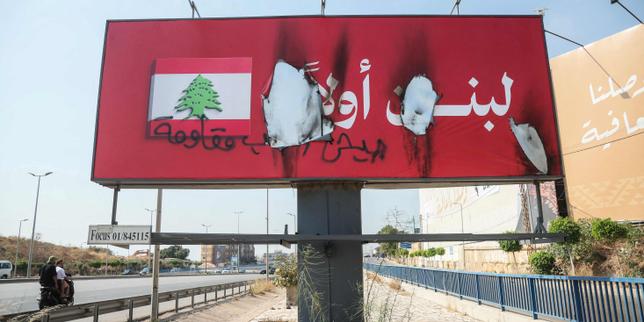
The political backlash erupted less than 48 hours after the trilateral framework was signed in Washington on Friday, when Israeli Ambassador Yechiel Leiter and Lebanese Ambassador Nada Hamadeh, under U.S. auspices, put pen to the 14-point document. Yet within hours, Hezbollah’s leadership rejected the text outright, and public protests flared across Beirut and southern cities, with demonstrators denouncing the absence of a clear Israeli withdrawal timetable.
Israel, meanwhile, signalled it would not retreat from southern Lebanon until Hezbollah is disarmed nationwide. Defence Minister Israel Katz told reporters on Sunday that the Israel Defence Forces are preparing for an “extended stay” in the contested buffer zone, insisting that withdrawal hinges on full disarmament of the Iran-backed militia. Hours later, Israeli air and artillery strikes pounded southern Lebanon, further undermining the fragile ceasefire framework.
Domestic criticism in Israel has also mounted. National Security Minister Itamar Ben-Gvir, a far-right coalition partner, labelled the agreement a “grave mistake” and demanded Prime Minister Benjamin Netanyahu convene the security cabinet for a formal vote to block implementation.
Analysts warn that the widening rejection—spanning Lebanon’s political spectrum and Israel’s fractious coalition—risks derailing the U.S.-sponsored initiative before its phased redeployment of Lebanese army units can begin. French daily Le Monde noted that Nabih Berri’s outright rejection “further weakens” the accord, while Belgian outlet La Libre described the framework as “shameful” and riddled with ambiguities that Hezbollah has vowed to exploit.
Follow us for live European news

#Lebanon #Israel Lebanese Parliament Speaker Nabih Berri, a Hezbollah ally, stated that the trilateral framework agreement between Lebanon, Israel, and the United States will not pass and will not be implemented in its current form because it does not guarantee Lebanons rights. Subscribe to @OSINTdefender Chat room
telegram_OSINTdefender · 2 months ago
Israel strikes south Lebanon despite ceasefire framework Israel carried out air and artillery strikes on southern Lebanon on Sunday, despite a recent US‑brokered framework agreement and ceasefire. Far‑right minister Itamar Ben‑Gvir called the deal a huge mistake and pushed for a cabinet vote against it.
yenisafak · 2 months ago
Laccord signé entre Israël et le Liban de nouveau fragilisé par des frappes israéliennes et un rejet du texte par le chef du Parlement libanais Nabih Berri, allié du Hezbollah pro-Iran, a fustigé un accord de « diktats » et annoncé que le texte « ne sera pas adopté, et ne sera pas mis en œuvre dans sa forme actuelle ».
le monde · 2 months ago
Italy ready to back Israel-Lebanon deal, says Tajani Italian Foreign Minister Antonio Tajani said on Saturday that Rome stands ready to provide diplomatic backing for the newly signed Israel-Lebanon agreement, adding that Italy could contribute troops to a future international mission following the expiration of the UN peacekeeping forces mandate in southern Lebanon.
yenisafak · 2 months ago

3h. Israel aprova continuidade da operação militar no Líbano A luz verde foi dada pelo chefe do Estado-Maior de Israel, que considera a decisão "importante". Ainda, as encomendas vindas de fora da União Europeia vão ficar mais caras a partir de quarta-feira.
observador · 2 months ago
UAE pledges support to Lebanon after Israel framework deal Lebanese President Joseph Aoun and UAE President Sheikh Mohammed bin Zayed Al Nahyan discussed a US-brokered framework agreement between Beirut and Tel Aviv during a phone call on Saturday, with Abu Dhabi pledging comprehensive assistance to help Lebanon overcome its current challenges.
yenisafak · 2 months ago
Israel vows extended stay in Lebanon until Hezbollah disarmed Defense Minister Israel Katz said the Israeli army is preparing for an "extended stay" in southern Lebanon and will not withdraw from a contested buffer zone before Hezbollah is disarmed across all of Lebanon, one day after Beirut and Tel Aviv signed a US-sponsored framework agreement.
yenisafak · 2 months ago
Trump pledges backing for Lebanons sovereignty, armed forces US President Donald Trump pledged support for Lebanons sovereignty, economy and armed forces during a phone call with Lebanese President Joseph Aoun late Saturday, vowing to help implement a newly signed framework agreement with Israel and restore stability in the country.
yenisafak · 2 months ago
Netanyahu: Israel keeps Lebanon posts despite withdrawal deal Israeli Prime Minister Benjamin Netanyahu said Saturday that troops will begin withdrawing from two pilot areas in southern Lebanon while maintaining their presence in the strategic Shqif region, claiming the US and Beirut agreed to a continued Israeli military presence in a security zone.
yenisafak · 2 months ago
Ben-Gvir calls Lebanon deal grave mistake, demands Cabinet vote Israeli National Security Minister Itamar Ben-Gvir on Saturday slammed the framework agreement signed between Israel and Lebanon as a "grave mistake," demanding that Prime Minister Benjamin Netanyahu bring the US-mediated accord before the security cabinet for a formal vote despite the deals provisions for gradual withdrawal.
yenisafak · 2 months ago
Middle East live: Lebanon rejects US–Israel framework, Hezbollah asserts right to self-defence Lebanese Parliament Speaker Nabih Berri rejected a US–Israel–Lebanon framework deal on Sunday, calling it an agreement of dictates that fails to protect Lebanons rights. This came just before Hezbollah asserted its right to self-defence after Israeli strikes in the south. Follow our liveblog for the latest updates. 👉 Read more:
telegram_France 24 · 2 months ago
Vereinbarung zwischen Israel und Libanon: 14 Punkte und keine Beruhigung der Lage Trotz eines Rahmenabkommens für einen möglichen Frieden gehen die Kämpfe im Südlibanon weiter. Israel will sich vorerst nicht zurückziehen. mehr...
taz.de · 2 months ago
Hezbollah chief rejects Lebanon-Israel deal as null and void Hezbollah Secretary-General Naim Qassem on Saturday rejected the framework agreement signed between Lebanon and Israel under US sponsorship, calling the deal "null and void" and demanding instead that Israel withdraw from Lebanese territory in accordance with the Iranian-American memorandum of understanding.
yenisafak · 2 months ago

Entre le Liban et Israël, un accord-cadre "honteux", fragilisé par ses ambiguïtés Le protocole daccord conclu sous médiation américaine ouvre la voie à un redéploiement progressif de larmée libanaise dans le sud du pays. Mais labsence dengagement clair sur un retrait israélien et le rejet du Hezbollah compromettent déjà sa mise en œuvre. ...
la libre · 2 months ago

⚡ NEWSLebanon signs framework agreement with Israel sparking protestsA framework agreement signed between Lebanon and Israel has triggered widespread protests and criticism. The public anger stems from the deals failure to mandate the withdrawal of Israeli troops from occupied Lebanese territory...📰 #Military #Diplomacy #Geopolitics #GeoWire
mastodon bot · 2 months ago
In Lebanon, framework agreement signed with Israel spurs protest, criticism Anger over deal that does not force Israeli troops to withdraw from occupied land after months of deadly attacks.
aljazeera · 2 months ago
Een overwinning voor Libanon of een eigen doelpunt? In Beiroet zijn velen vooral verbijsterd over het akkoord met Israël Het raamwerkakkoord dat Israël vrijdag sloot met Libanon stuit daar op verbaasde en boze reacties. Hoewel een enkele Amerika-gezinde politieke partij het prees als een overwinning voor het land, is het moeilijk om te zien wat Libanon bij de afspraken wint.
nrc · 2 months ago