
Austrian Chancellor Stocker signals compromise on military service extension amid sweeping reforms
Story Timeline
4 months · 8 summary articles
Austrian Chancellor Christian Stocker on Tuesday signalled compromise on plans to extend mandatory military service, as his government prepares sweeping reforms targeting the armed forces, public broadcaster ORF and broader state structures. Speaking to *Der Standard* , Stocker said a solution would be found “in the coming weeks,” urging lawmakers not to stray too far from proposals already drafted by the army commission. The move follows weeks of political pressure to address rising personnel costs and operational gaps in the Bundesheer.
The announcement comes as Austria’s coalition government finalises a 2027 budget that includes a 1% pay rise for politicians, a decision confirmed by multiple outlets on Tuesday . While modest, the increase has reignited debate over public-sector compensation amid broader austerity measures. Stocker, who took office in March, has positioned himself as a reformer, promising “major changes” before year-end. In an interview with *Die Presse* , he framed the reforms as necessary to modernise institutions long criticised for inefficiency and outdated practices.
The defence overhaul is the most urgent item on Stocker’s agenda. Austria’s current nine-month conscription period has faced criticism for failing to meet NATO readiness standards, with defence analysts warning of chronic shortages in key roles. The army commission’s draft models reportedly include a 12-month term or a hybrid system combining shorter service with reservist obligations. Stocker’s openness to compromise suggests a potential middle ground, though details remain under wraps ahead of inter-ministerial talks scheduled for July.
Beyond defence, Stocker’s reform package targets the ORF, whose funding model and editorial independence have been a flashpoint for years. Critics argue the broadcaster’s licence-fee system is unsustainable, while supporters warn of political interference. The chancellor has yet to outline specific changes, but insiders indicate a push for greater transparency and digital modernisation. Meanwhile, the government is also reviewing state subsidies for regional media, a move that could reshape Austria’s media landscape.
The political timing is delicate. With national polls due in 2027, Stocker’s coalition—comprising centre-left and liberal parties—faces pressure to deliver tangible results. His predecessor’s tenure was marked by budget disputes and stalled reforms, leaving Stocker to navigate a parliament where no single bloc holds a majority. Analysts say his willingness to engage with the army commission’s proposals reflects a pragmatic shift, though sceptics question whether the reforms will address deeper structural issues.
For now, the focus remains on securing cross-party backing for the defence changes. Defence Minister Claudia Plakolm, a key ally, has echoed Stocker’s call for compromise, though opposition parties remain divided. The Greens have demanded civilian service alternatives, while the far-right FPÖ insists on full retention of conscription. With the clock ticking, Stocker’s government must balance fiscal constraints against public expectations—a challenge likely to define his premiership in the months ahead.
Follow us for live European news
- 5
- 3
- 2
- 1
- 1
- 1
- 1
- 1
1 further source not geolocated
Articles

ASFIC. Medidas de celeridade processual são um paliativo" Nuno Domingos, presidente da Associação Sindical dos Funcionários da PJ, defende que medidas de celeridade processual aprovadas no Parlamento "são um paliativo" e defende que é necessária uma reforma penal mais profunda.
observador · 3 months ago

Portalegre. PSP lamenta "falta de qualidade" das instalações Isabel Canelas falava no Centro de Congressos de Portalegre, na cerimónia dos 148 anos do Comando Distrital de Portalegre da PSP
observador · 3 months ago

PCP quer acelerar resposta às tempestades Paulo Raimundo anunciou as propostas nas jornadas parlamentares da Marinha Grande, ligando a falta de regiões administrativas à lentidão na resposta às intempéries.
observador · 3 months ago

PCP diz que proposta do Chega para pensões é "um embuste" Paulo Raimundo disse que "os trabalhadores não vão largar e não vão descansar até à derrota do pacote laboral"
observador · 3 months ago
Mehrheit der Bürger will Sozialkassen mit Steuergeld stützen – AfD bei Kompetenzfrage vorn Die Bürger wollen laut RTL-Trendbarometer weder höhere Kassenbeiträge noch Leistungskürzungen. Zugleich trauen sie der Regierung kaum Reformen zu. Bei der politischen Kompetenz liegt die AfD vorn.
welt.de · 3 months ago

Sommer der Probleme: Brandenburgs neue Landesregierung kämpft mit Haushaltslücken und Lehrermangel Drei Monate nach dem Start: Brandenburgs Landesregierung nimmt einiges an Arbeit mit in ihre erste Sommerpause. Eine Analyse.
tagesspiegel · 3 months ago
Pflege und Kosten: Sozialverträgliches Frühableben Durch die Pflegereform könnte die Bemessungsgrenze für Angehörige neu festgelegt werden. Für die Kinder von heute ist das keine gute Nachricht. mehr...
taz.de · 3 months ago
Raimundo acusa Chega de encenar negociação laboral e propor um embuste nas pensões Secretário-geral do PCP encerrou jornadas parlamentares do partido com o aviso de que os trabalhadores não deixarão de se mobilizar contra as alterações às leis laborais.
publico · 3 months ago
Valtion talous | Säästötalkoot kuuluvat kaikille tulonsaajille Valtion tuloja voi vahvistaa oikeudenmukaisimmin niin, että sopeutusten taakka jaetaan laajasti.
helsingin sanomat · 3 months ago

Londonsvenskar som serverar öl på puben är ett minne blott LONDON. Sedan brexit krävs en hög lön för EU-medborgare som vill jobba i Storbritannien. – Det är ett jätteproblem, säger utrikeshandelsminister Benjamin Dousa (M) som vill göra det enklare för svenskar och svenska företag att flytta till Storbritannien.
dagens nyheter · 3 months ago
Als Sjoerdsma niet flink extra geld uittrekt voor ontwikkelingssamenwerking, is de minister spoedig weer terug bij af In de senaat waarschuwde Farah Karimi (Pro) dat minister Sjoerd Sjoerdsma daadwerkelijk extra moet investeren in ontwikkelingssamenwerking. In augustus onderhandelt het kabinet over de begroting voor 2027 met de oppositie. Pro maakt nu duidelijk: in die onderhandelingen moet Sjoerdsma opnieuw inzetten op flink veel extra geld.
nrc · 3 months ago
ORF, Heer und noch mehr: Der Bundeskanzler verspricht große Reformen [premium] Rund um die Budgeterstellung stand der Finanzminister im Rampenlicht, jetzt will Kanzler Christian Stocker nachziehen – und verspricht noch für heuer große Reformen, von Bundesheer bis ORF.
die presse · 3 months ago
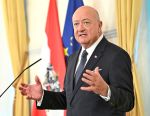
Stocker signalisiert Kompromissbereitschaft bei Verlängerung des Wehrdienstes In den kommenden Wochen werde die Regierung eine Lösung finden, sagt der Kanzler. Von Modellen der Heeres-Kommission solle man sich "nicht so weit entfernen"
der standard · 3 months ago
Stocker drängt auf Ergebnisse bei Heer und Staatsreform
orf.at · 3 months ago
Stocker skizziert nächste Regierungsprojekte Bundeskanzler Christian Stocker (ÖVP) hat am Dienstagnachmittag eine Pressekonferenz über die Leistungen der Regierung der letzten Wochen aus seiner Sicht gegeben. Er lobte das von der Regierung erstellte Doppelbudget und verwies auch auf Erfolge auf der internationalen Bühne. Stocker gab zudem einen Ausblick auf anstehende Projekte wie den Umbau des Präsenzdienstes und die Staatsreform. Geharnischte Kritik kam von FPÖ und Grünen.
orf.at · 3 months ago

Zuzug treibt Wohnkosten: Neuer Mietspiegel für Darmstadt Die Mieten steigen, allerdings nicht mehr so schnell wie vor Jahren. Das liegt am Zuzug von Studenten und Berufstätigen. Die Stadt stößt immer öfter auf Mieten, die höher sind als das Gesetz erlaubt.
faz · 3 months ago

Oil prices at three-month low but fuel body warns prices will rise when excise cuts end Fuels for Ireland has said that when government excise cuts end next month, prices will rise again unless there is a plan in place.
thejournal · 3 months ago
![Your labrador wont pay your pension: Italian pet proposal sparks debate A mayor in northern Italy has sparked national debate after suggesting that dog owners could be asked to contribute around […]](https://euroweeklynews.com/wp-content/uploads/2026/06/Screenshot-2026-06-16-at-18.05.14-1024x685.png?type=local)
Your labrador wont pay your pension: Italian pet proposal sparks debate A mayor in northern Italy has sparked national debate after suggesting that dog owners could be asked to contribute around […]
euroweeklynews · 3 months ago

Labour MP bringing back assisted dying bill urges House of Lords to finish its job Lauren Edwards dismisses party internal concerns and criticises anti-democratic way bill was haltedThe Labour MP Lauren Edwards who will bring the assisted dying bill back to the Commons has said she will not be dissuaded by concerns about Labour divisions, saying MPs should allow the House of Lords to finish its work on the bill after it was blocked from a vote by peers.It also can be revealed that the Labour MP and disability rights campaigner Marie Tidball is to co-sponsor the bill, alongside the former minister Alex Davies- Jones. Continue reading...
theguardian · 3 months ago

Farages plan for equal pay legislation may cost female workers money, say unions General secretary of TUC calls Reform proposal a smokescreen for slashing womens rightsUK politics live – latest updatesA law proposed by Nigel Farage to strengthen womens rights could cost female workers money by removing equal pay for work of equal value, unions have said.A proposal, made by Reform UK days before the Makerfield byelection, to introduce a women and motherhood protection act that it says will restore equality before the law has been described as shameless and deceptive. Continue reading...
theguardian · 3 months ago

Reforma laboral. "PS ainda poderá reconsiderar" A deputada e vice da bancada do PSD, Isaura Morais, acredita que o PS ainda pode ir a jogo na discussão da reforma laboral e também diz que o Chega "terá maturidade" para negociar a proposta.
observador · 3 months ago
Gesundheitsreform: Kassen geben Milliarden extra aus – Muss Warkens Sparpaket noch größer werden? Die Ausgaben der Krankenkassen für Kliniken, Praxen und Medikamente sind deutlich stärker gestiegen als gedacht. Nun macht die Branche Druck auf die Ministerin und ihre Reform.
handelsblatt · 3 months ago
ORF, Heer und noch mehr: Die Baustellen des Bundeskanzlers [premium] Rund um die Budgeterstellung stand der Finanzminister im Rampenlicht, jetzt will Kanzler Christian Stocker nachziehen – und verspricht noch für heuer große Reformen, von Bundesheer bis ORF.
die presse · 3 months ago
Für stabile Beiträge: Krankenkassen verlangen von Warken noch härteren Sparkurs Immer weiter steigende Kosten für die medizinische Versorgung sollen gebremst werden. Die Koalition plant dafür ein umstrittenes Sparpaket. Jetzt soll noch mehr hinein – nur von wem?
faz · 3 months ago
EMEL. É possível contestar (com sucesso) multas de trânsito? Advogado Carlos Barroso dá conselhos práticos para contestar multas da EMEL, da PSP e da GNR. Inspetor Nuno Domingos, presidente da ASFIC, analisa medidas de celeridade processual aprovadas na AR.
observador · 3 months ago