
Coalition reform talks stall as deadline looms: No breakthrough in three-hour summit
Story Timeline
4 months · 5 summary articles
The black-red coalition’s reform drive entered its decisive phase on Wednesday as Chancellor Olaf Scholz convened a three-hour summit with union and employer leaders at the Chancellery, yet left without concrete breakthroughs. The meeting, attended by CDU leader Friedrich Merz, Finance Minister Markus Marterbauer and the heads of the DGB and BDA, was described as “constructive and focused” but produced no written agreements. Merz had opened the talks by insisting that “good solutions emerge in dialogue,” while Scholz stressed the need for speed ahead of the cabinet’s July 1 deadline for a 140-billion-euro package covering labour markets, social insurance, taxes and bureaucracy .
The coalition also closed ranks on energy policy, confirming that the six-month fuel-tax cut—popularly known as the Tankrabatt—will expire on 1 July as planned. CDU/CSU and SPD parliamentary groups agreed the measure had served its purpose of cushioning drivers from high oil prices and that further extension would be “financially unsound,” according to CDU deputy faction leader Carsten Linnemann . Average petrol prices have fallen from €1.95 to €1.78 per litre since the rebate began, but industry lobbyists warn pump prices could rebound by up to 15 cents once the subsidy ends .
Behind the scenes, tensions persist over financing. The federal government wants Länder to contribute to a planned cut in non-wage labour costs, but regional leaders, including Vorarlberg’s ÖVP governor Markus Wallner, retorted that “whoever orders pays”—meaning Berlin should foot the bill . Wallner’s stance reflects broader fiscal reluctance among states already struggling with tight budgets.
With the reform clock ticking, coalition negotiators have scheduled further rounds with the Sozialpartner next week. Finance Minister Marterbauer, who joined the Chancellery talks, is expected to present a revised draft on 24 June that pares back some corporate levies in exchange for union concessions on flexible working rules . Whether the package can clear both Bundestag and Bundesrat before the summer recess remains uncertain; the Länder’s resistance to cost-sharing suggests last-minute horse-trading is inevitable.
Follow us for live European news
- 4
- 2
- 1
- 1
- 1
- 1
Articles

Live - Minister De Ridder geeft goedkeuring voor zelfrijdende Tesla op openbare weg
de morgen · 4 months ago
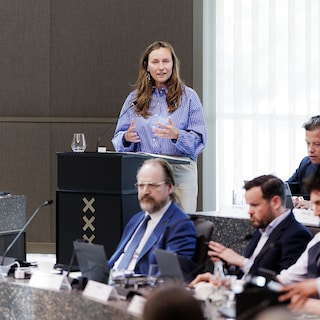
PRO Amsterdam and D66 survive debate on coalition agreement without breaking a sweat
parool · 4 months ago

Treffen der Sozialpartner im Kanzleramt: Keine konkreten Ergebnisse – weitere Reformgespräche vereinbart Mehr als drei Stunden lang beraten die Spitzen der Koalition mit Wirtschaftsverbänden und Gewerkschaften im Kanzleramt. Hinterher ist die Rede von einer konstruktiven und konzentrierten Atmosphäre.
tagesspiegel · 4 months ago
Finanzminister Markus Marterbauer zu Gast
orf.at · 4 months ago
Widerstand aus den Ländern Zur Entlastung der Unternehmen plant die Regierung eine Senkung der Lohnnebenkosten. Die Länder sollen dabei nach Wunsch der Koalition einen Beitrag leisten. Diese wehren sich allerdings. „Wer anschafft, zahlt. Die Lohnnebenkostensenkung hat der Bund angeschafft, also soll er sie auch finanzieren, kritisierte Vorarlbergs Landeshauptmann Markus Wallner (ÖVP) am Mittwoch.
orf.at · 4 months ago
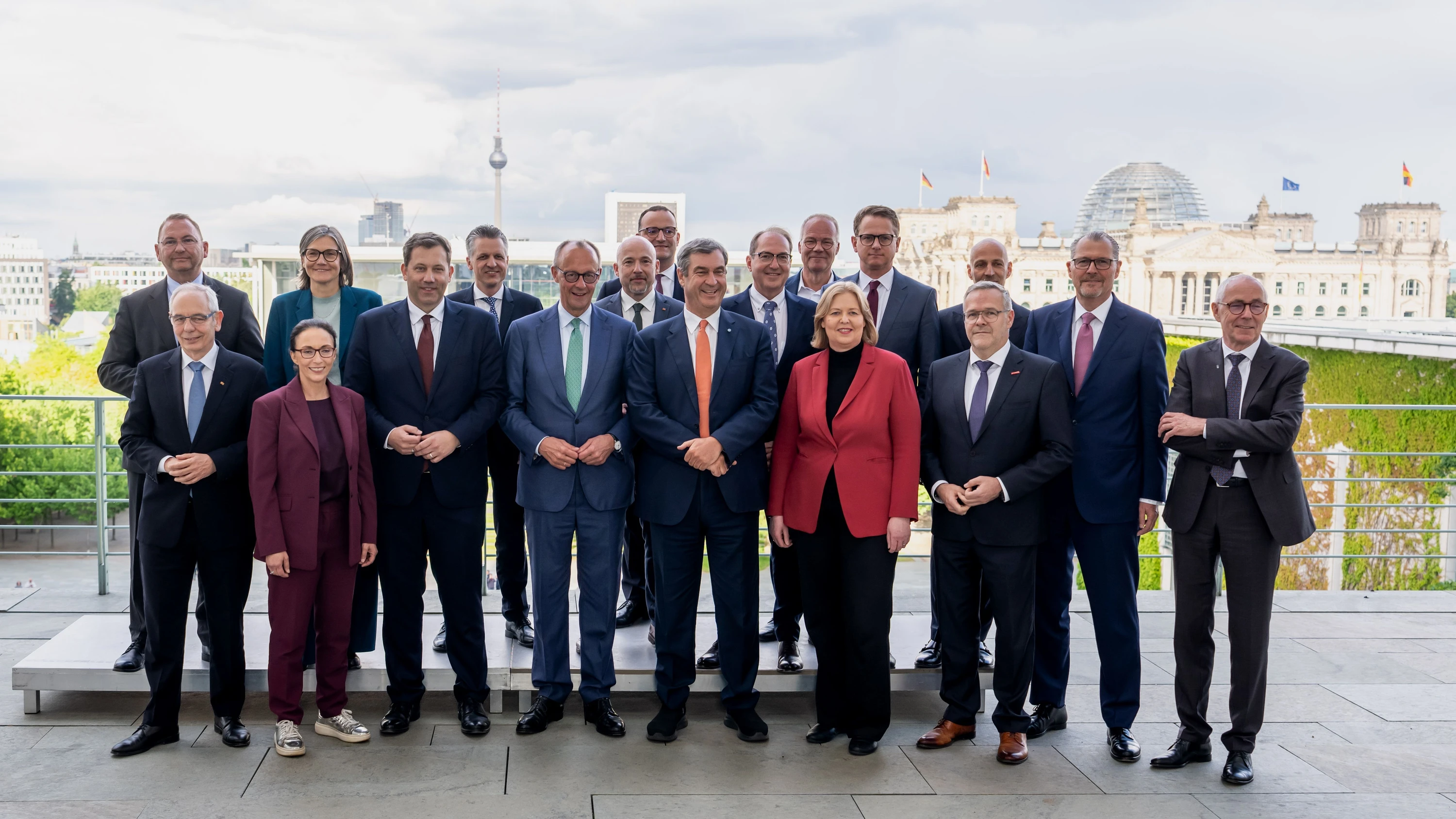
Deutschland-Liveblog: Merz: „Gute Lösungen entstehen im Dialog Treffen mit Gewerkschaften und Arbeitgeberverbänden +++ Union und SPD lassen Tankrabatt auslaufen +++ Unionsfraktionsvize nennt Verlängerung „finanzpolitisch nicht sinnvoll +++ alle Entwicklungen im Liveblog
faz · 4 months ago
Selgus, kes tanklasõja soodsa kütuse kinni maksab Tanklakettide omanikud kurdavad, et juba kuude kaupa on hinnasõja tõttu Eestis kütus nii odav, et seda müüakse kohati lausa alla omahinna. Tarbijad saavad parima võidu kätte alles mitme asjaolu kokkulangemisel. Eesti inimesed peavad tanklasõjast võitmiseks omajagu kodutööd tegema.
postimees · 4 months ago
Koalition: Weitere Reformgespräche mit Sozialpartnern vereinbart
die zeit · 4 months ago
Spitzentreffen im Kanzleramt: Koalitionsspitzen und Sozialpartner vereinbaren weitere Gespräche Nach rund dreieinhalb Stunden ist das Spitzentreffen der Koalition mit Gewerkschaften und Arbeitgebern zu Ende. Vor dem Treffen sprach Merz von der Bedeutung des Dialogs.
die zeit · 4 months ago
Nationalrat: Debatten über Budget und EABG
orf.at · 4 months ago

Rhein-Main-Liveblog: Marburg: Dreijährige angefahren und schwer verletzt Was ist los in Frankfurt & Hessen? Lesen Sie aktuelle News & Nachrichten im News-Ticker von heute ► Was heute wichtig ist, erfahren Sie bei der F.A.Z.
faz · 4 months ago

Schulden der EU-Staaten: Fast zwei Drittel der Neuverschuldung gehen in den Zinsdienst Die höheren Zinsen bekommen nicht nur private Verbraucher und Hausbauer zu spüren, sondern auch der Staat. Er kann weniger investieren.
faz · 4 months ago
2 June 2026 - The US-Iran memorandum postpones the hardest questions. The Gulf cannot afford to do the same
commonspace · 4 months ago
ASML and unions finalize social plan to address 1,700 job cuts ASML and the labour unions have reached an agreement on a social plan covering the companys ongoing restructuring, according to De Unie.
nltimes.nl · 4 months ago
Fraktionen einig: Tankrabatt endet zum 1. Juli Der Tankrabatt wird wie geplant zum 1. Juli enden. Darauf haben sich die Fraktionen von CDU/CSU und SPD geeinigt.
tagesspiegel · 4 months ago
Spritpreise: Koalition einig: Tankrabatt läuft Ende Juni aus Die befristete Steuersenkung hat das Tanken spürbar günstiger gemacht. Nun könnten die Spritpreise wieder steigen. Warum der Rabatt nicht verlängert wird.
tagesspiegel · 4 months ago
Reformtreffen im Kanzleramt: Für die Koalition beginnen entscheidende Wochen Arbeitsmarkt, Sozialversicherungen, Steuern, Bürokratieabbau: In drei Wochen soll das große Reformpaket der schwarz-roten Koalition stehen. Die heiße Phase der Verhandlungen hat begonnen.
handelsblatt · 4 months ago